


Gifting Made Simple
Give the Gift of ChoiceClick below to purchase a Prairie Mall eGift Card that can be used at participating retailers at Prairie Mall.Buy Gift CardHome
Asymmetric Federalism in India: Ethnicity, Development and Governance
Coles
Loading Inventory...
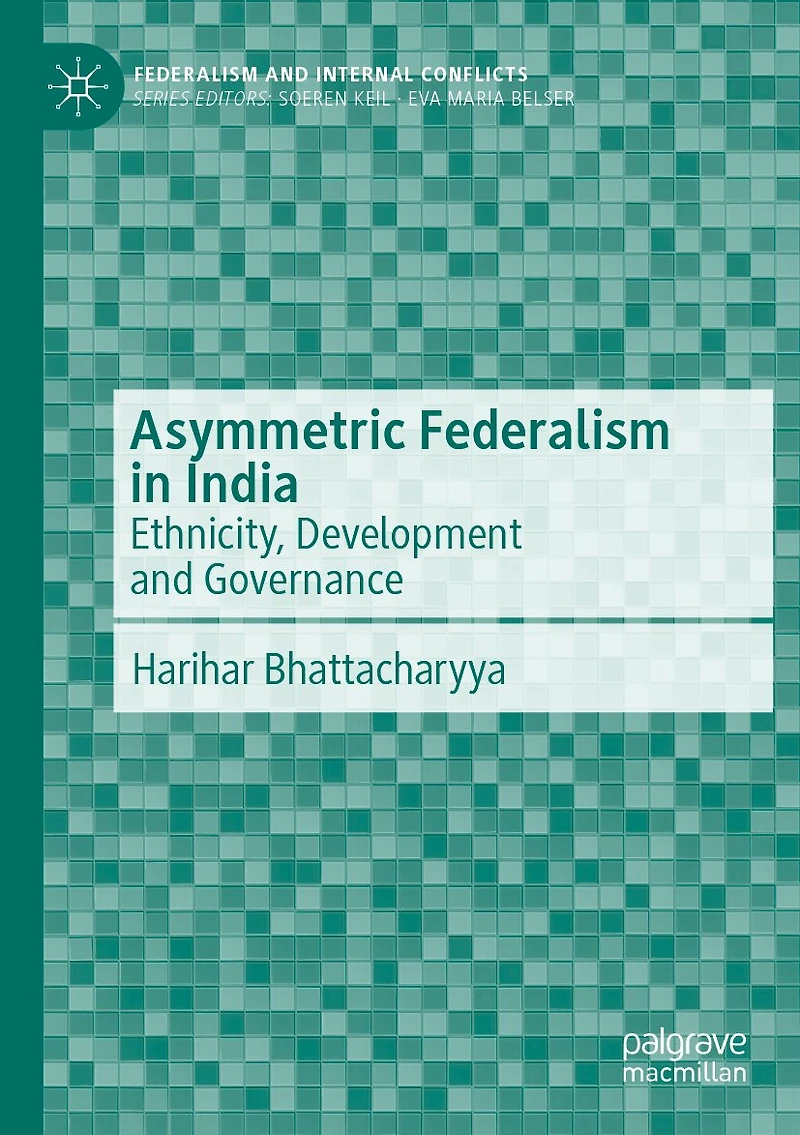
Asymmetric Federalism in India: Ethnicity, Development and Governance in Grande Prairie, AB
Current price: $233.95
Coles
Asymmetric Federalism in India: Ethnicity, Development and Governance in Grande Prairie, AB
Current price: $233.95
Loading Inventory...
Size: Paperback
*Product information and pricing may vary - to confirm current pricing, availability, shipping, and return information please contact Coles. In the event of a pricing discrepancy, the retailer's price will apply.
This book provides a critical account of federal asymmetry in India - its origins, context, forms and functioning - by taking into account the institutional effectiveness of asymmetric institutions in the regions for identity fulfillment, development and governance. It argues that while some asymmetry, de jure/ or de facto, is part of all federations for meeting some special circumstances, in India, which has followed a different path of federation building, asymmetric institutional solutions especially in the border areas have played a crucially important role in accommodating ethno-cultural diversity, ensuring law and order, a level of development and governance in a process that has turned the 'rebels into stakeholders'. India's federal asymmetric designs and their working has been a key to holding the peripheries within the Union of India. The book utilizes both archival research and empirical survey data, as well as elite interviews.
This book provides a critical account of federal asymmetry in India - its origins, context, forms and functioning - by taking into account the institutional effectiveness of asymmetric institutions in the regions for identity fulfillment, development and governance. It argues that while some asymmetry, de jure/ or de facto, is part of all federations for meeting some special circumstances, in India, which has followed a different path of federation building, asymmetric institutional solutions especially in the border areas have played a crucially important role in accommodating ethno-cultural diversity, ensuring law and order, a level of development and governance in a process that has turned the 'rebels into stakeholders'. India's federal asymmetric designs and their working has been a key to holding the peripheries within the Union of India. The book utilizes both archival research and empirical survey data, as well as elite interviews.
You May Also Like














Find at Prairie Mall in Grande Prairie, AB
Visit at Prairie Mall in Grande Prairie, AB