


Gifting Made Simple
Give the Gift of ChoiceClick below to purchase a Prairie Mall eGift Card that can be used at participating retailers at Prairie Mall.Buy Gift CardHome
Asymmetric Environmental Governance in Azerbaijan: Oil Pollution and Greenhouse Gas Emissions
Coles
Loading Inventory...
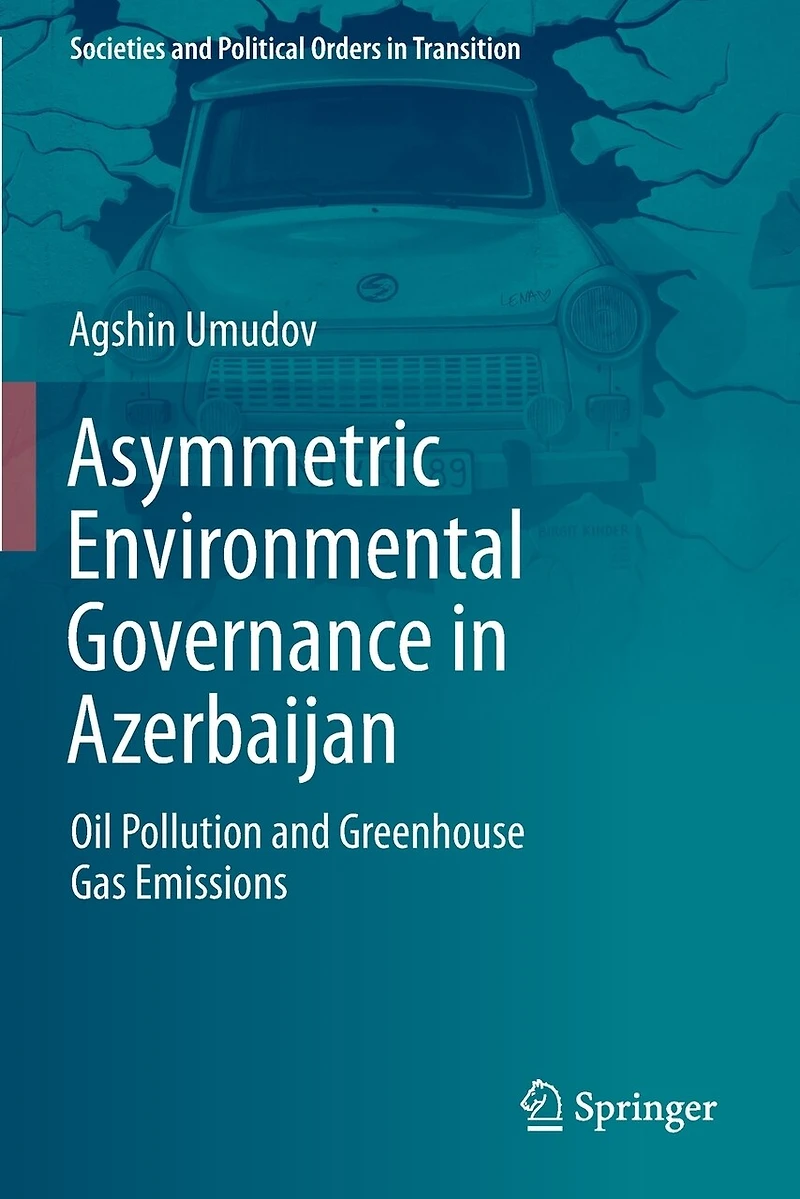
Asymmetric Environmental Governance in Azerbaijan: Oil Pollution and Greenhouse Gas Emissions in Grande Prairie, AB
Current price: $189.95
Coles
Asymmetric Environmental Governance in Azerbaijan: Oil Pollution and Greenhouse Gas Emissions in Grande Prairie, AB
Current price: $189.95
Loading Inventory...
Size: Paperback
*Product information and pricing may vary - to confirm current pricing, availability, shipping, and return information please contact Coles. In the event of a pricing discrepancy, the retailer's price will apply.
This book examines why authoritarian governments are willing to address environmental problems that have an international impact, such as CO2 emissions, but are reluctant to address problems that have only a domestic impact. In a case study of Azerbaijani oil politics, it demonstrates how the incumbent Azerbaijani regime has taken important measures trying to address CO2 emissions while ignoring the damage caused by oil pollution on the Caspian coast. The book argues that resource-rich authoritarian governments are eager to join international environmental initiatives to improve their image, but they address domestic environmental issues mainly if they threaten their hold on power.
This book is an important contribution to scholarship on environmental governance in the post-Soviet space, an area that is poorly researched. Therefore, it is a must-read for researchers and scholars interested in post-Soviet studies, as well as in the nexusbetween mineral-rich regions and how social policy is created, e.g., environment, education, and healthcare. In addition, this book will be of tremendous importance for policymakers and international organizations as it looks into the motivation of authoritarian states in the post-Soviet space for environmental measures.
This book examines why authoritarian governments are willing to address environmental problems that have an international impact, such as CO2 emissions, but are reluctant to address problems that have only a domestic impact. In a case study of Azerbaijani oil politics, it demonstrates how the incumbent Azerbaijani regime has taken important measures trying to address CO2 emissions while ignoring the damage caused by oil pollution on the Caspian coast. The book argues that resource-rich authoritarian governments are eager to join international environmental initiatives to improve their image, but they address domestic environmental issues mainly if they threaten their hold on power.
This book is an important contribution to scholarship on environmental governance in the post-Soviet space, an area that is poorly researched. Therefore, it is a must-read for researchers and scholars interested in post-Soviet studies, as well as in the nexusbetween mineral-rich regions and how social policy is created, e.g., environment, education, and healthcare. In addition, this book will be of tremendous importance for policymakers and international organizations as it looks into the motivation of authoritarian states in the post-Soviet space for environmental measures.
You May Also Like








Find at Prairie Mall in Grande Prairie, AB
Visit at Prairie Mall in Grande Prairie, AB