


Gifting Made Simple
Give the Gift of ChoiceClick below to purchase a Prairie Mall eGift Card that can be used at participating retailers at Prairie Mall.Buy Gift CardHome
Asperger's Syndrome and High Achievement: Some Very Remarkable People
Coles
Loading Inventory...
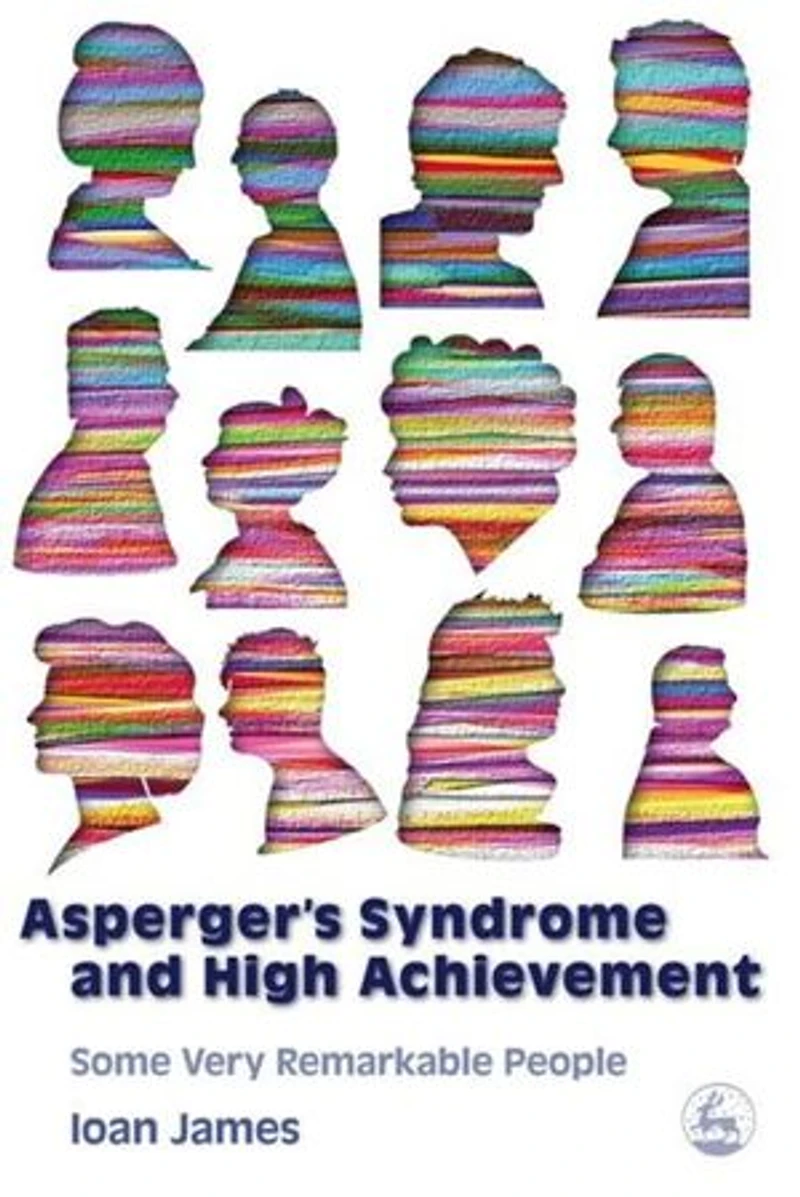
Asperger's Syndrome and High Achievement: Some Very Remarkable People in Grande Prairie, AB
Current price: $28.99
Original price: $35.05
Coles
Asperger's Syndrome and High Achievement: Some Very Remarkable People in Grande Prairie, AB
Current price: $28.99
Original price: $35.05
Loading Inventory...
Size: Kobo eBook
*Product information and pricing may vary - to confirm current pricing, availability, shipping, and return information please contact Coles. In the event of a pricing discrepancy, the retailer's price will apply.
This book describes the lives and personalities of 20 remarkable people from the past, who may well have had Asperger's syndrome (AS). Famous in the fields of art, literature and science, among others, they illustrate vividly how highly intelligent people are able to surmount some of the problems that AS causes and achieve so much - more than might have been possible without it.'
- Human Givens
'The aim of this book is to raise the self-esteem of individuals with AS. It certainly illustrates how much the world owes to people with AS. It would be relevant to anyone with an interest in AS.'
- Good Autism Practice
'A highly readable text.'
- Advances in Clinical Neuroscience and Rehabilitation
'Definitely worth a read.'
- The National Association for Gifted Children
'James makes a convincing case for including each on the list. He also helps to explain what some dismiss as "artistic creativity" as actually a logical aspect of AS.'
- Book News
This fascinating collection identifies famous figures from the past whose behaviour suggests they may have had autism, a disorder that was not defined until the mid-20th century. James looks at the lives of 20 individuals - scientists, artists, politicians and philosophers - examining in detail their interests, successes, indifferences and shortcomings.
Among the profiles are those of mathematician and philosopher Bertrand Russell, who wondered in his autobiography how he managed to hurt the people around him quite without meaning to; biologist Alfred Kinsey, who excelled in academia but was ill at ease in social situations; and the writer Patricia Highsmith, who had very definite likes (fountain pens and absence of noise) and dislikes (television and four-course meals). From Albert Einstein to Philip of Spain, these intriguing individuals all showed clear evidence of autistic traits.
This book will be of interest to general readers and anyone with a personal or professional interest in autism.
This book describes the lives and personalities of 20 remarkable people from the past, who may well have had Asperger's syndrome (AS). Famous in the fields of art, literature and science, among others, they illustrate vividly how highly intelligent people are able to surmount some of the problems that AS causes and achieve so much - more than might have been possible without it.'
- Human Givens
'The aim of this book is to raise the self-esteem of individuals with AS. It certainly illustrates how much the world owes to people with AS. It would be relevant to anyone with an interest in AS.'
- Good Autism Practice
'A highly readable text.'
- Advances in Clinical Neuroscience and Rehabilitation
'Definitely worth a read.'
- The National Association for Gifted Children
'James makes a convincing case for including each on the list. He also helps to explain what some dismiss as "artistic creativity" as actually a logical aspect of AS.'
- Book News
This fascinating collection identifies famous figures from the past whose behaviour suggests they may have had autism, a disorder that was not defined until the mid-20th century. James looks at the lives of 20 individuals - scientists, artists, politicians and philosophers - examining in detail their interests, successes, indifferences and shortcomings.
Among the profiles are those of mathematician and philosopher Bertrand Russell, who wondered in his autobiography how he managed to hurt the people around him quite without meaning to; biologist Alfred Kinsey, who excelled in academia but was ill at ease in social situations; and the writer Patricia Highsmith, who had very definite likes (fountain pens and absence of noise) and dislikes (television and four-course meals). From Albert Einstein to Philip of Spain, these intriguing individuals all showed clear evidence of autistic traits.
This book will be of interest to general readers and anyone with a personal or professional interest in autism.
You May Also Like








Find at Prairie Mall in Grande Prairie, AB
Visit at Prairie Mall in Grande Prairie, AB