


Gifting Made Simple
Give the Gift of ChoiceClick below to purchase a Prairie Mall eGift Card that can be used at participating retailers at Prairie Mall.Buy Gift CardHome
Artists of the Possible: Governing Networks and American Policy Change since 1945
Coles
Loading Inventory...
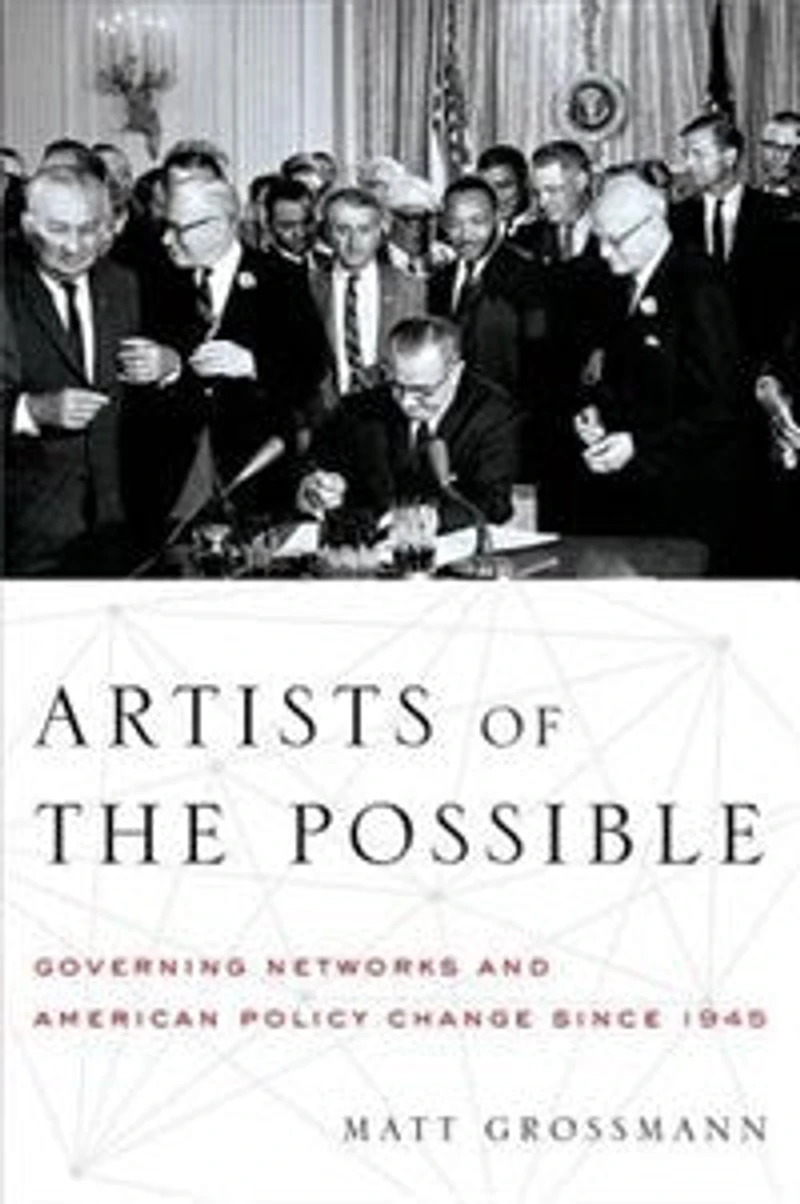
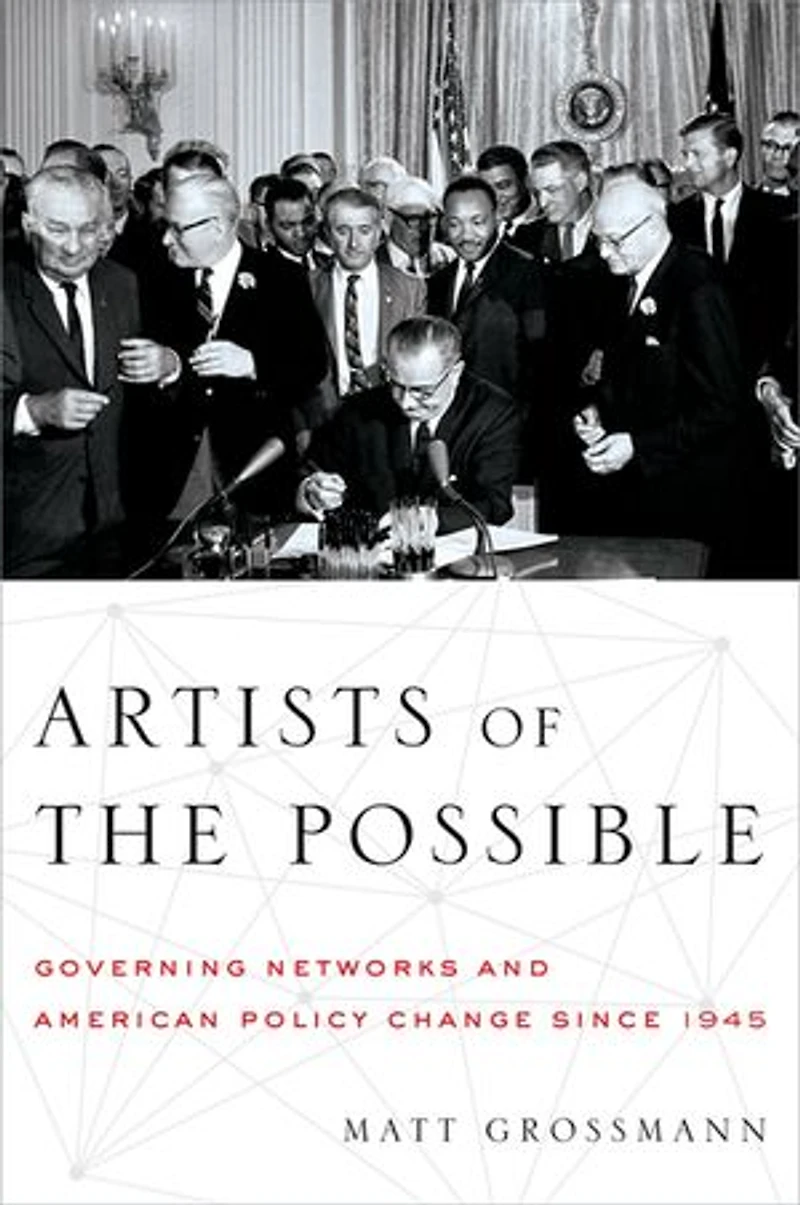
Artists of the Possible: Governing Networks and American Policy Change since 1945 in Grande Prairie, AB
Current price: $192.00
Coles
Artists of the Possible: Governing Networks and American Policy Change since 1945 in Grande Prairie, AB
Current price: $192.00
Loading Inventory...
Size: Hardcover
*Product information and pricing may vary - to confirm current pricing, availability, shipping, and return information please contact Coles. In the event of a pricing discrepancy, the retailer's price will apply.
This book presents a new view of American policymaking, focusing on networks of actors responsible for policymaking. Policy change is not easily predictable from election results or public opinion because compromise and coalitions among individual actors make a difference in all three branches of government. The amount of government action, the issue content of policy changes, and the ideological direction of policy all depend on the joint actions of executive officials, legislators, and interest group leaders. The patterns of cooperation among policymakers and activists make each issue area and time period different from the others and undermine attempts to build an unchanging unified model of American policymaking.
In Artists of the Possible, Matt Grossman undertakes a rigorous content analysis of 268 books and articles on the history of 14 different major policy areas over 60 years, compiling and integrating these findings to assess the factors that drive policymaking. His findings - which collectively uncover the 790 most significant policy enactments of the federal government and credit 1,306 specific actors for their role in policy change - overturn established theories of policymaking. First, significant policy change does not follow from the issue agenda of the electorate or policymakers. Second, neither changes in public opinion nor the ideology or partisanship of government officials reliably influence the amount or content of policy change. Instead, the patterns of cooperation and compromise among political elites drive the productivity and ideological direction of policymaking. Third, the policymaking roles of public opinion, elections, and media coverage are all limited. Fourth, no typology can explain differences in policymaking across issue areas because the policy process is broadly similar except for a few idiosyncratic differences associated with each issue area.
This book presents a new view of American policymaking, focusing on networks of actors responsible for policymaking. Policy change is not easily predictable from election results or public opinion because compromise and coalitions among individual actors make a difference in all three branches of government. The amount of government action, the issue content of policy changes, and the ideological direction of policy all depend on the joint actions of executive officials, legislators, and interest group leaders. The patterns of cooperation among policymakers and activists make each issue area and time period different from the others and undermine attempts to build an unchanging unified model of American policymaking.
In Artists of the Possible, Matt Grossman undertakes a rigorous content analysis of 268 books and articles on the history of 14 different major policy areas over 60 years, compiling and integrating these findings to assess the factors that drive policymaking. His findings - which collectively uncover the 790 most significant policy enactments of the federal government and credit 1,306 specific actors for their role in policy change - overturn established theories of policymaking. First, significant policy change does not follow from the issue agenda of the electorate or policymakers. Second, neither changes in public opinion nor the ideology or partisanship of government officials reliably influence the amount or content of policy change. Instead, the patterns of cooperation and compromise among political elites drive the productivity and ideological direction of policymaking. Third, the policymaking roles of public opinion, elections, and media coverage are all limited. Fourth, no typology can explain differences in policymaking across issue areas because the policy process is broadly similar except for a few idiosyncratic differences associated with each issue area.
You May Also Like
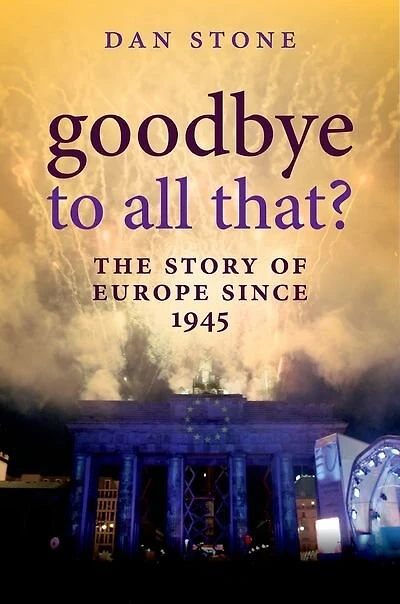
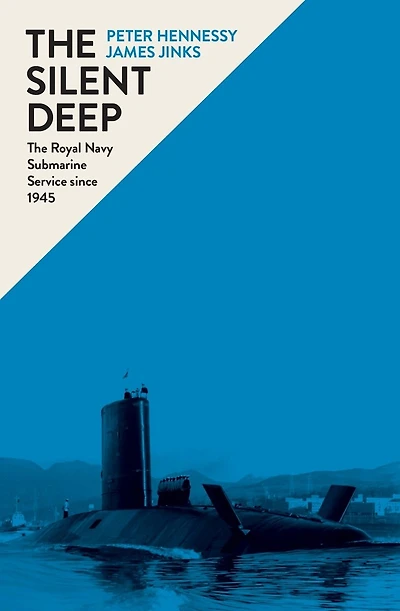



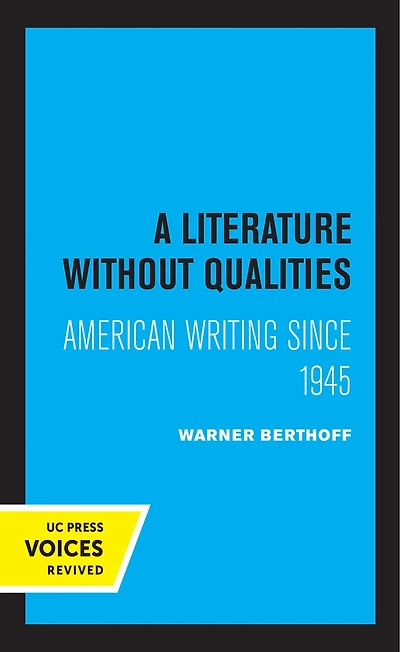








Find at Prairie Mall in Grande Prairie, AB
Visit at Prairie Mall in Grande Prairie, AB