


Gifting Made Simple
Give the Gift of ChoiceClick below to purchase a Prairie Mall eGift Card that can be used at participating retailers at Prairie Mall.Buy Gift CardHome
Art Criticism and the Appeal to Democracy
Coles
Loading Inventory...
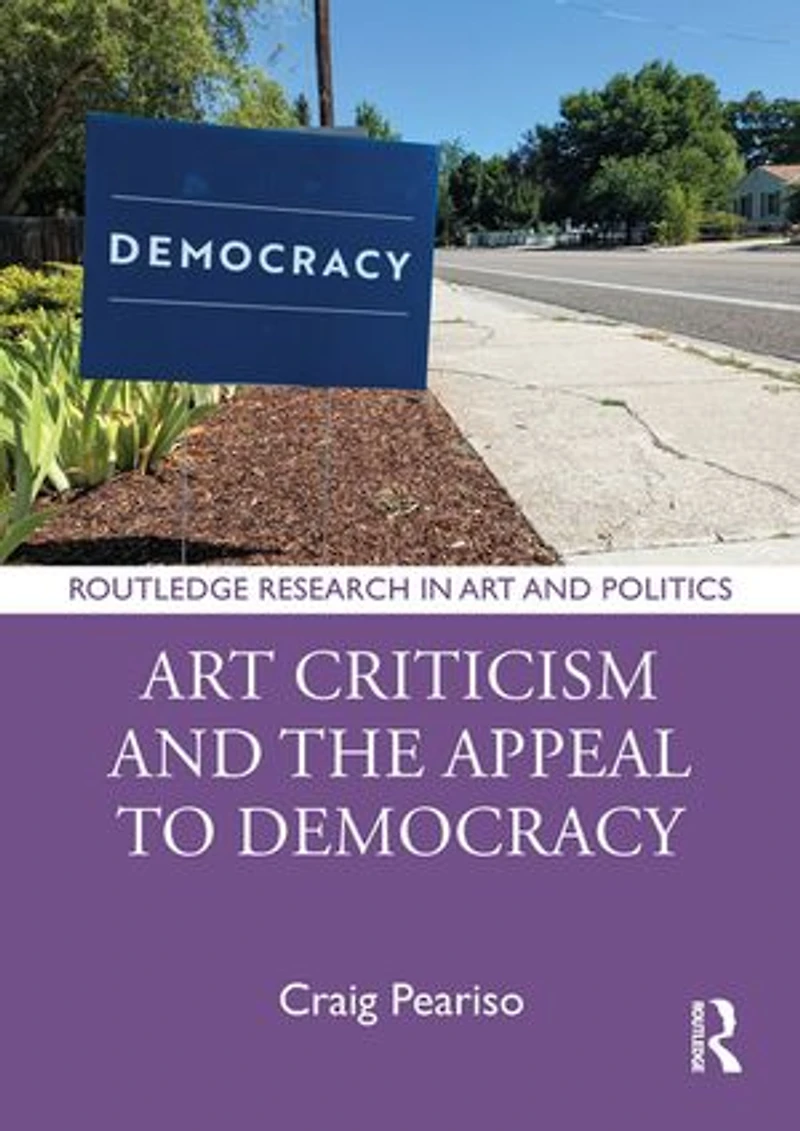
Art Criticism and the Appeal to Democracy in Grande Prairie, AB
Current price: $296.50
Coles
Art Criticism and the Appeal to Democracy in Grande Prairie, AB
Current price: $296.50
Loading Inventory...
Size: Hardcover
*Product information and pricing may vary - to confirm current pricing, availability, shipping, and return information please contact Coles. In the event of a pricing discrepancy, the retailer's price will apply.
While engaging with the interconnected concepts of communication and democracy in postwar American and European art criticism, this book provides a historical assessment of how these two related trends pertain to modern and contemporary art theory and practice. Looking at both the history of artistic and curatorial efforts to "empower" viewers by facilitating different forms of audience participation, and the critical attempts to evaluate the success or failure of these efforts, the author looks to historicize the investment of each in both the idea of communication and the language of democracy. Beginning with experiments in exhibition design in the years immediately following World War II, and continuing on to address the fascination with digital media and "Relational Aesthetics" at the turn of the millennium, this study seeks to understand just why those writing from the (self-proclaimed) centers of Western democracy insist on presenting democracy and the empowerment of the individual as the radical import of contemporary art. This book is ideal for researchers interested in the History of Art, Art Criticism, Philosophy, Cultural Studies and Politics.
While engaging with the interconnected concepts of communication and democracy in postwar American and European art criticism, this book provides a historical assessment of how these two related trends pertain to modern and contemporary art theory and practice. Looking at both the history of artistic and curatorial efforts to "empower" viewers by facilitating different forms of audience participation, and the critical attempts to evaluate the success or failure of these efforts, the author looks to historicize the investment of each in both the idea of communication and the language of democracy. Beginning with experiments in exhibition design in the years immediately following World War II, and continuing on to address the fascination with digital media and "Relational Aesthetics" at the turn of the millennium, this study seeks to understand just why those writing from the (self-proclaimed) centers of Western democracy insist on presenting democracy and the empowerment of the individual as the radical import of contemporary art. This book is ideal for researchers interested in the History of Art, Art Criticism, Philosophy, Cultural Studies and Politics.
You May Also Like








Find at Prairie Mall in Grande Prairie, AB
Visit at Prairie Mall in Grande Prairie, AB