


Gifting Made Simple
Give the Gift of ChoiceClick below to purchase a Prairie Mall eGift Card that can be used at participating retailers at Prairie Mall.Buy Gift CardHome
Arisaka & Mosin Nagant rifles under Mexican service Imperial Arms in the Mexican Revolution: Mexican Military Firearms
Coles
Loading Inventory...
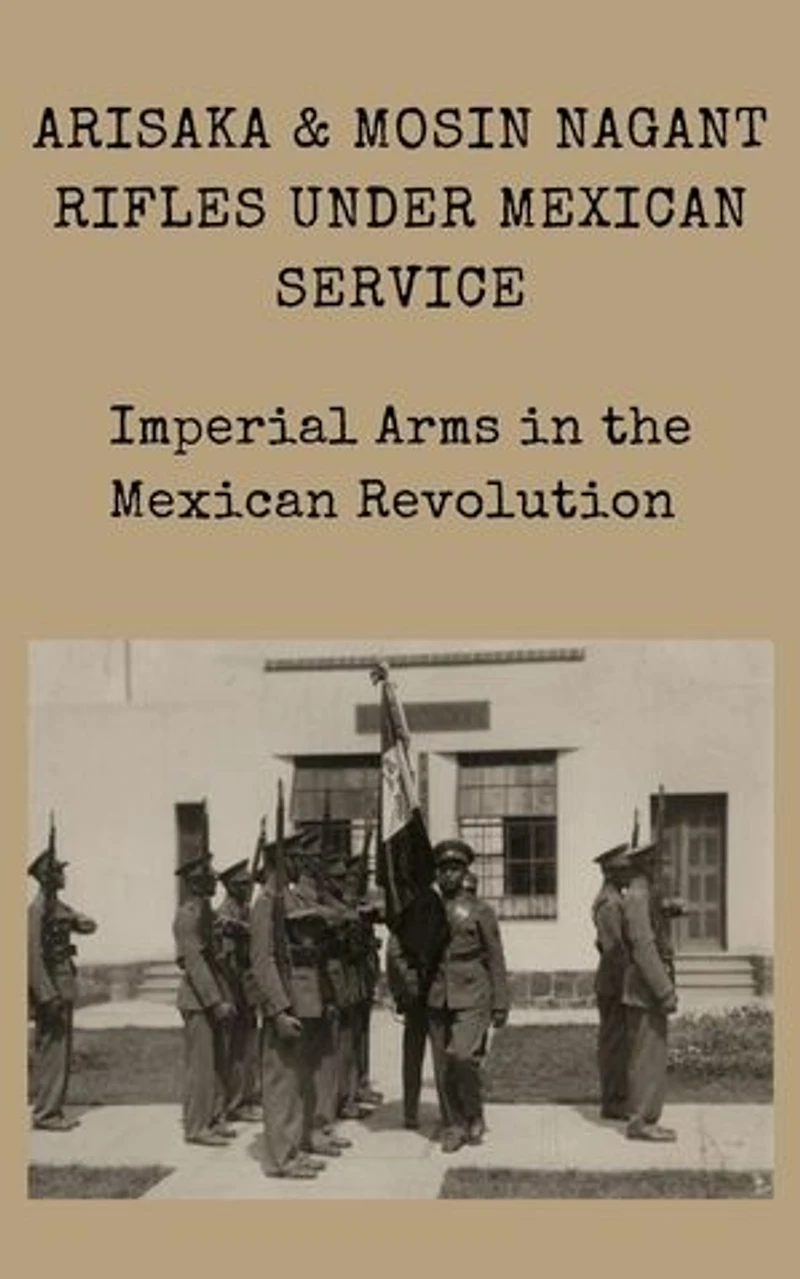
Arisaka & Mosin Nagant rifles under Mexican service Imperial Arms in the Mexican Revolution: Mexican Military Firearms in Grande Prairie, AB
Current price: $13.99
Coles
Arisaka & Mosin Nagant rifles under Mexican service Imperial Arms in the Mexican Revolution: Mexican Military Firearms in Grande Prairie, AB
Current price: $13.99
Loading Inventory...
Size: Kobo eBook
*Product information and pricing may vary - to confirm current pricing, availability, shipping, and return information please contact Coles. In the event of a pricing discrepancy, the retailer's price will apply.
Following the toppling of the Díaz regime in May 1911, the subsequent Mexican administrations engaged in contracts with various speculators, ordnance manufacturers, and foreign governments to acquire essential arms and munitions amidst prolonged civil conflicts that spanned two decades (1911-1929). In their efforts to secure international recognition, Mexican leaders employed diplomatic initiatives to seek acknowledgment from the United States, while also exploring alliances with other nations, such as Germany and Japan, thus diversifying their military platforms.
The imposition of U.S. arms embargoes, the onset of World War I, and restricted access to global arms markets, compounded by the absence of a robust domestic industrial capacity, compelled Mexican administrations to investigate alternative avenues for supplying their military forces.
Between 1912 and 1930, Mexico undertook several diplomatic and commercial missions to Germany, Spain, Italy, and Japan, offering raw materials, oil, and trade concessions in exchange for arms, ammunition, and equipment to facilitate domestic production of war materials. These arms subsequently equipped second-line military units, supported national resistance movements opposing U.S. interests in Central America as a means to alleviate diplomatic pressures, and were also distributed to foreign nations for ideological purposes.
Following the toppling of the Díaz regime in May 1911, the subsequent Mexican administrations engaged in contracts with various speculators, ordnance manufacturers, and foreign governments to acquire essential arms and munitions amidst prolonged civil conflicts that spanned two decades (1911-1929). In their efforts to secure international recognition, Mexican leaders employed diplomatic initiatives to seek acknowledgment from the United States, while also exploring alliances with other nations, such as Germany and Japan, thus diversifying their military platforms.
The imposition of U.S. arms embargoes, the onset of World War I, and restricted access to global arms markets, compounded by the absence of a robust domestic industrial capacity, compelled Mexican administrations to investigate alternative avenues for supplying their military forces.
Between 1912 and 1930, Mexico undertook several diplomatic and commercial missions to Germany, Spain, Italy, and Japan, offering raw materials, oil, and trade concessions in exchange for arms, ammunition, and equipment to facilitate domestic production of war materials. These arms subsequently equipped second-line military units, supported national resistance movements opposing U.S. interests in Central America as a means to alleviate diplomatic pressures, and were also distributed to foreign nations for ideological purposes.
You May Also Like















Find at Prairie Mall in Grande Prairie, AB
Visit at Prairie Mall in Grande Prairie, AB