


Gifting Made Simple
Give the Gift of ChoiceClick below to purchase a Prairie Mall eGift Card that can be used at participating retailers at Prairie Mall.Buy Gift CardHome
Archival Anxiety Documentary and Mockumentary Horror
Coles
Loading Inventory...
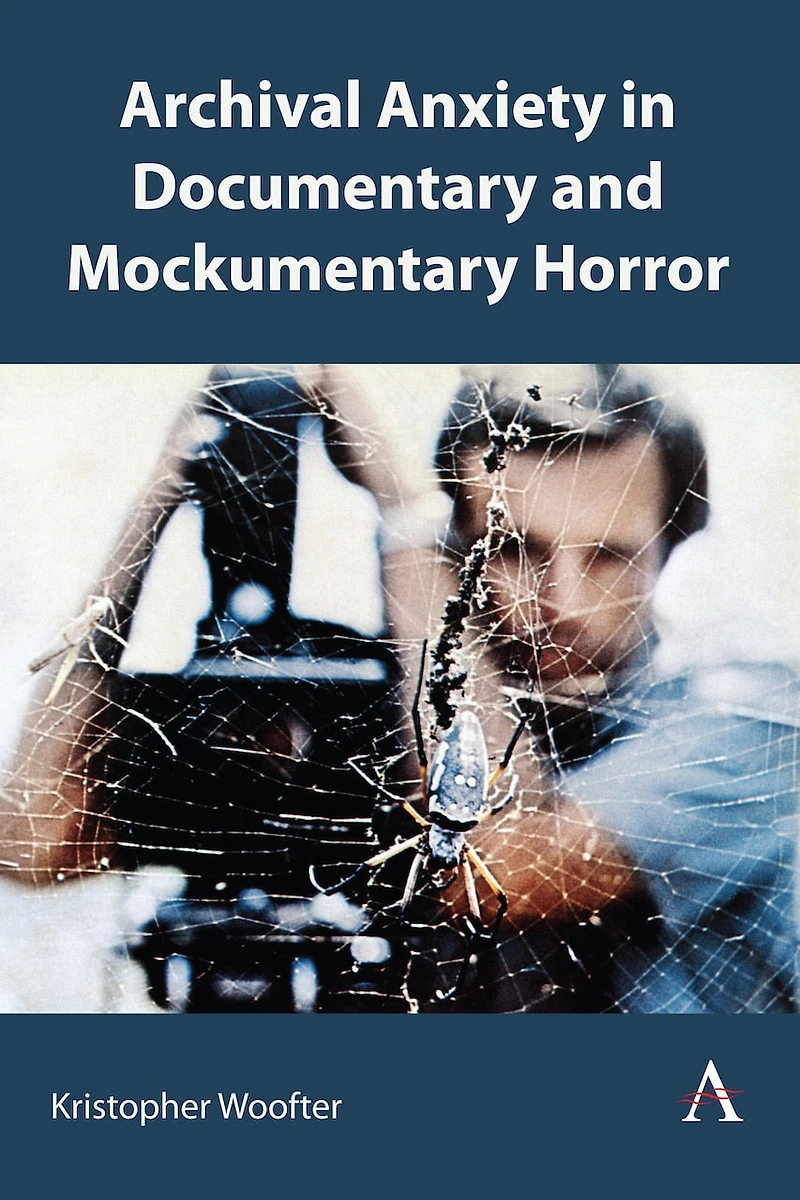
Archival Anxiety Documentary and Mockumentary Horror in Grande Prairie, AB
Current price: $142.89
Coles
Archival Anxiety Documentary and Mockumentary Horror in Grande Prairie, AB
Current price: $142.89
Loading Inventory...
Size: Hardcover
*Product information and pricing may vary - to confirm current pricing, availability, shipping, and return information please contact Coles. In the event of a pricing discrepancy, the retailer's price will apply.
This study concerns a the dark, sensorial epistemologies emerging from intersections of documentary and horror cinema. From the ineffable subjects of horror documentaries and pseudo-documentaries, to the obsessive chroniclers of mockumentary horror cinema, the films examined here express generalized millennial and 21st-century archival anxiety around an unsettled and unsettling hypermediated reality. Part I focuses on gothumentaries, nonfiction works evoking the Gothic’s unreadable subjects and undetected realities. Case studies show key documentary films such as Capturing the Friedmans, Cropsey, and The Hellstrom Chronicle bringing Gothic-horror tropes and conventions to bear upon documentary subject matter to produce skepticism of American environmental, social, and national stability from the 1970s onward. Part II explores mockumentary, fake found-footage, and screen life horror cinema that turns to strategies of documentary and factual discourse to express an archival anxiety around human interaction with recording technologies. Case studies of pivotal films such as The Blair Witch Project, Diary of the Dead, Lake Mungo, Unfriended, Sickhouse, and We Are All Going to the World’s Fair turn to Gothic reflexivity as a way of expressing the subject’s relationship to, and experience of, a modernity that overwhelms in terms of its immensity, speed, and recordability.
This study concerns a the dark, sensorial epistemologies emerging from intersections of documentary and horror cinema. From the ineffable subjects of horror documentaries and pseudo-documentaries, to the obsessive chroniclers of mockumentary horror cinema, the films examined here express generalized millennial and 21st-century archival anxiety around an unsettled and unsettling hypermediated reality. Part I focuses on gothumentaries, nonfiction works evoking the Gothic’s unreadable subjects and undetected realities. Case studies show key documentary films such as Capturing the Friedmans, Cropsey, and The Hellstrom Chronicle bringing Gothic-horror tropes and conventions to bear upon documentary subject matter to produce skepticism of American environmental, social, and national stability from the 1970s onward. Part II explores mockumentary, fake found-footage, and screen life horror cinema that turns to strategies of documentary and factual discourse to express an archival anxiety around human interaction with recording technologies. Case studies of pivotal films such as The Blair Witch Project, Diary of the Dead, Lake Mungo, Unfriended, Sickhouse, and We Are All Going to the World’s Fair turn to Gothic reflexivity as a way of expressing the subject’s relationship to, and experience of, a modernity that overwhelms in terms of its immensity, speed, and recordability.
You May Also Like









Find at Prairie Mall in Grande Prairie, AB
Visit at Prairie Mall in Grande Prairie, AB