


Gifting Made Simple
Give the Gift of ChoiceClick below to purchase a Prairie Mall eGift Card that can be used at participating retailers at Prairie Mall.Buy Gift CardHome
Architectures of Hope: Infrastructural Citizenship and Class Mobility Brazil's Public Housing
Coles
Loading Inventory...
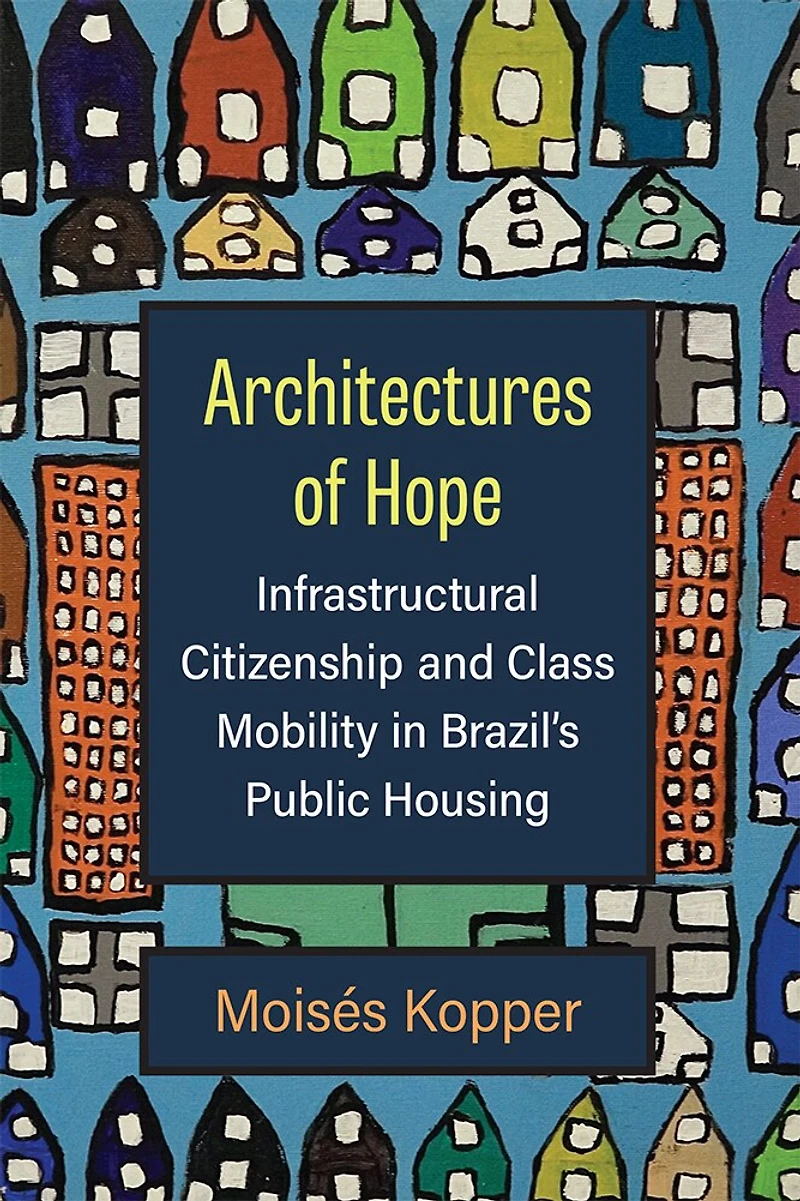
Architectures of Hope: Infrastructural Citizenship and Class Mobility Brazil's Public Housing in Grande Prairie, AB
Current price: $110.50
Coles
Architectures of Hope: Infrastructural Citizenship and Class Mobility Brazil's Public Housing in Grande Prairie, AB
Current price: $110.50
Loading Inventory...
Size: Hardcover
*Product information and pricing may vary - to confirm current pricing, availability, shipping, and return information please contact Coles. In the event of a pricing discrepancy, the retailer's price will apply.
Architectures of Hope examines how communal idealism, electoral politics, and low-income consumer markets made first-time homeownership a reality for millions of low-income Brazilians over the last ten years. Drawing on a five-year-long ethnography among city planners, architects, street-level bureaucrats, politicians, market and bank representatives, community leaders, and past, present, and future beneficiaries, Moisés Kopper tells the story of how a group of grassroots housing activists rose from oblivion to build a model community. He explores the strategies set forth by housing activists as they waited and hoped for—and eventually secured—homeownership through Minha Casa Minha Vida’s public-private infrastructure. By showing how these efforts coalesced in Porto Alegre—Brazil’s once progressive hotspot—he interrogates the value systems and novel arrangements of power and market that underlie the country’s post-neoliberal project of modern and inclusive development. By chronicling the making and remaking of material hope in the aftermath of Minha Casa Minha Vida, Architectures of Hope reopens the future as a powerful venue for ethnographic inquiry and urban development.
Architectures of Hope examines how communal idealism, electoral politics, and low-income consumer markets made first-time homeownership a reality for millions of low-income Brazilians over the last ten years. Drawing on a five-year-long ethnography among city planners, architects, street-level bureaucrats, politicians, market and bank representatives, community leaders, and past, present, and future beneficiaries, Moisés Kopper tells the story of how a group of grassroots housing activists rose from oblivion to build a model community. He explores the strategies set forth by housing activists as they waited and hoped for—and eventually secured—homeownership through Minha Casa Minha Vida’s public-private infrastructure. By showing how these efforts coalesced in Porto Alegre—Brazil’s once progressive hotspot—he interrogates the value systems and novel arrangements of power and market that underlie the country’s post-neoliberal project of modern and inclusive development. By chronicling the making and remaking of material hope in the aftermath of Minha Casa Minha Vida, Architectures of Hope reopens the future as a powerful venue for ethnographic inquiry and urban development.
You May Also Like



















Find at Prairie Mall in Grande Prairie, AB
Visit at Prairie Mall in Grande Prairie, AB