


Gifting Made Simple
Give the Gift of ChoiceClick below to purchase a Prairie Mall eGift Card that can be used at participating retailers at Prairie Mall.Buy Gift CardHome
Arbitrary Withholding of Consent to Humanitarian Relief in Non-international Armed Conflict: Legal Regulations and Consequences
Coles
Loading Inventory...
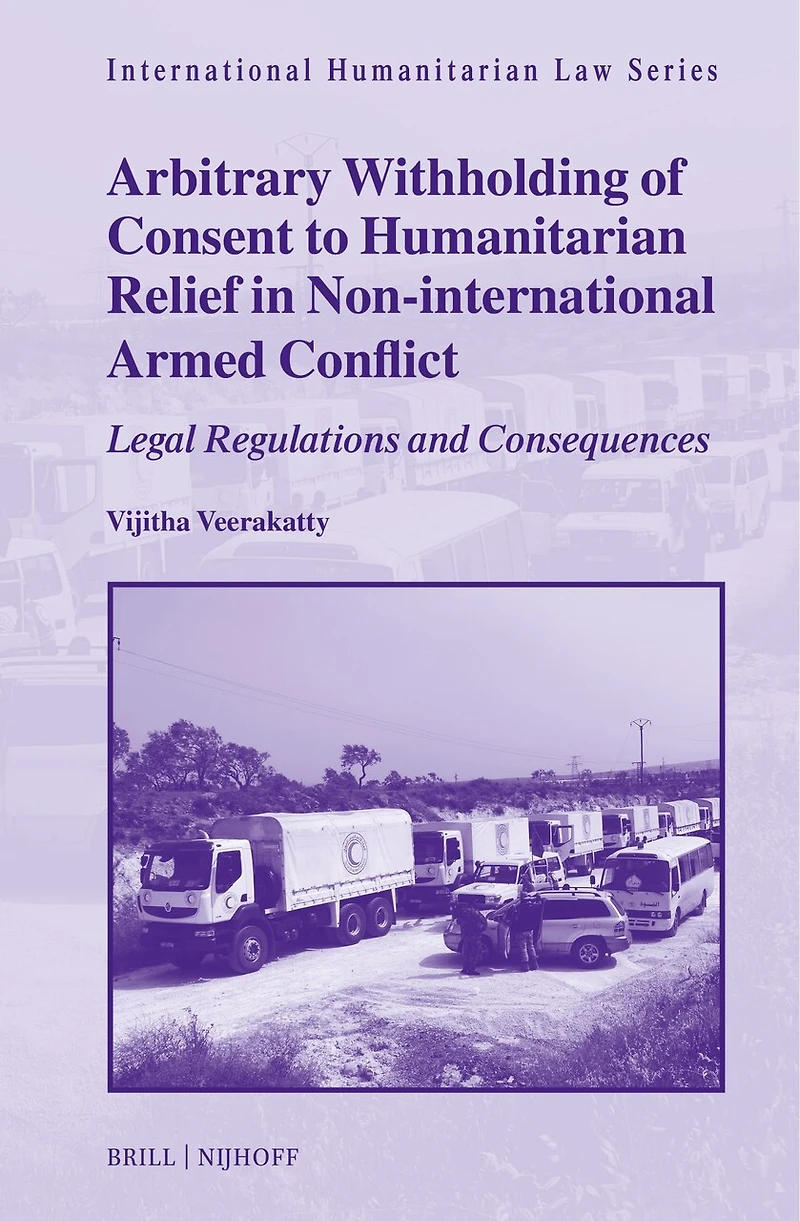
Arbitrary Withholding of Consent to Humanitarian Relief in Non-international Armed Conflict: Legal Regulations and Consequences
By None
Current price: $279.99
Coles
Arbitrary Withholding of Consent to Humanitarian Relief in Non-international Armed Conflict: Legal Regulations and Consequences
By None
Current price: $279.99
Loading Inventory...
Size: Hardcover
*Product information and pricing may vary - to confirm current pricing, availability, shipping, and return information please contact Coles. In the event of a pricing discrepancy, the retailer's price will apply.
How to legally assess the situation when humanitarian actors in non-international armed conflicts are arbitrarily denied access to the affected civilian population? The book answers this question from the perspective of the five main actors involved in humanitarian relief in non-international armed conflicts: the affected State, non-State armed groups, humanitarian actors, non-belligerent States and the affected civilian population. It examines the legal regulations and consequences for each of these actors. In doing so, the book not only draws attention to existing legal gaps and challenges, but also encourages readers to rethink outdated legal concepts and discuss new approaches.
The open access publication of this book has been published with the support of the Swiss National Science Foundation.
How to legally assess the situation when humanitarian actors in non-international armed conflicts are arbitrarily denied access to the affected civilian population? The book answers this question from the perspective of the five main actors involved in humanitarian relief in non-international armed conflicts: the affected State, non-State armed groups, humanitarian actors, non-belligerent States and the affected civilian population. It examines the legal regulations and consequences for each of these actors. In doing so, the book not only draws attention to existing legal gaps and challenges, but also encourages readers to rethink outdated legal concepts and discuss new approaches.
The open access publication of this book has been published with the support of the Swiss National Science Foundation.
You May Also Like









More About Coles at Prairie Mall
11801 100 St #104, Grande Prairie, AB T8V 3Y2, Canada
Find Coles at Prairie Mall in Grande Prairie, AB
Visit Coles at Prairie Mall in Grande Prairie, AB