


Gifting Made Simple
Give the Gift of ChoiceClick below to purchase a Prairie Mall eGift Card that can be used at participating retailers at Prairie Mall.Buy Gift CardHome
Applying The Rasch Model and Structural Equation Modeling to Higher Education: Technology Satisfaction
Coles
Loading Inventory...
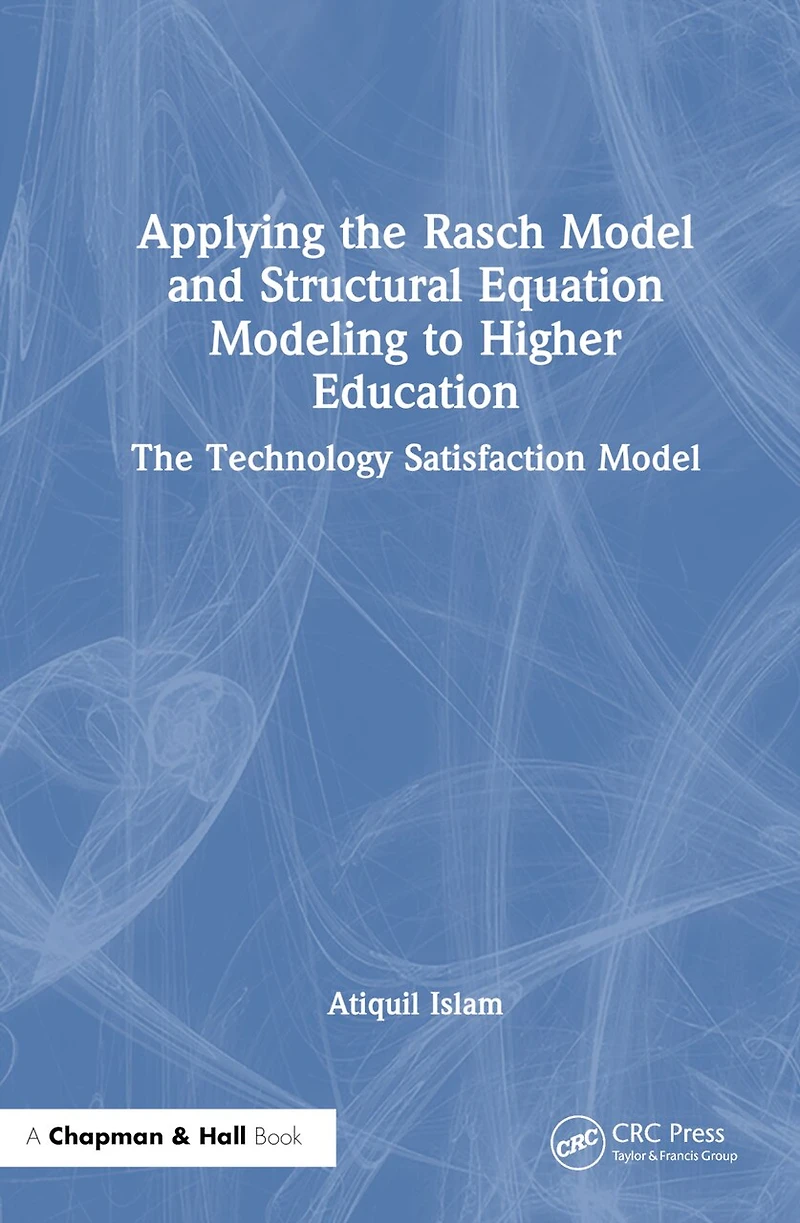
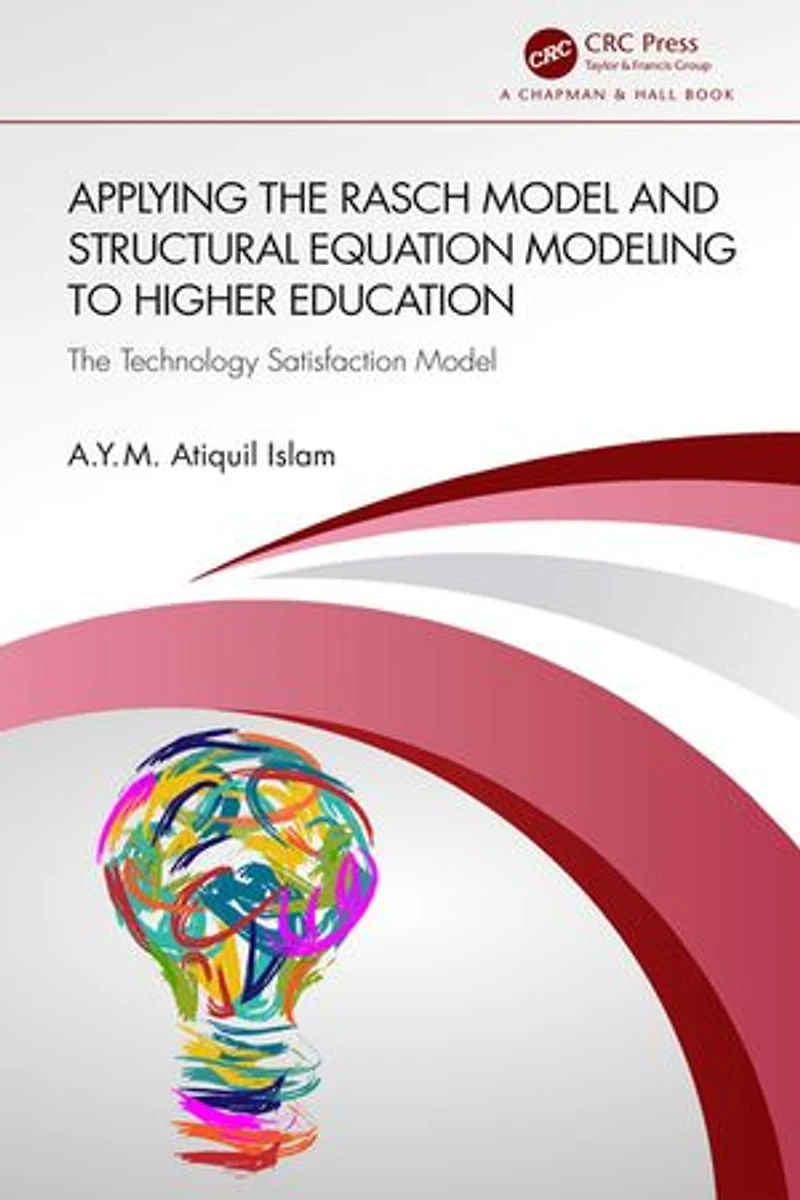
Applying The Rasch Model and Structural Equation Modeling to Higher Education: Technology Satisfaction in Grande Prairie, AB
Current price: $207.50
Coles
Applying The Rasch Model and Structural Equation Modeling to Higher Education: Technology Satisfaction in Grande Prairie, AB
Current price: $207.50
Loading Inventory...
Size: Hardcover
*Product information and pricing may vary - to confirm current pricing, availability, shipping, and return information please contact Coles. In the event of a pricing discrepancy, the retailer's price will apply.
This book introduces the fundamentals of the technology satisfaction model (TSM), supporting readers in applying the Rasch model and structural equation modeling (SEM) - a multivariate technique - to higher education (HE) research. User satisfaction is traditionally measured along a single dimension. However, the TSM includes digital technologies for teaching, learning and research across three dimensions: computer efficacy, perceived ease of use and perceived usefulness. Establishing relationships among these factors is a challenge. Although commonly used in psychology to trace relationships, Rasch and SEM approaches are rarely used in educational technology or library and information science. This book, therefore, shows that combining these two analytical tools offers researchers better options for measurement and generalisation in HE research. This title presents theoretical and methodological insights of use to researchers in HE.
This book introduces the fundamentals of the technology satisfaction model (TSM), supporting readers in applying the Rasch model and structural equation modeling (SEM) - a multivariate technique - to higher education (HE) research. User satisfaction is traditionally measured along a single dimension. However, the TSM includes digital technologies for teaching, learning and research across three dimensions: computer efficacy, perceived ease of use and perceived usefulness. Establishing relationships among these factors is a challenge. Although commonly used in psychology to trace relationships, Rasch and SEM approaches are rarely used in educational technology or library and information science. This book, therefore, shows that combining these two analytical tools offers researchers better options for measurement and generalisation in HE research. This title presents theoretical and methodological insights of use to researchers in HE.
You May Also Like














Find at Prairie Mall in Grande Prairie, AB
Visit at Prairie Mall in Grande Prairie, AB