


Gifting Made Simple
Give the Gift of ChoiceClick below to purchase a Prairie Mall eGift Card that can be used at participating retailers at Prairie Mall.Buy Gift CardHome
Application of coupled CFD-DEM simulation to separation process in combine harvester cleaning devices
Coles
Loading Inventory...
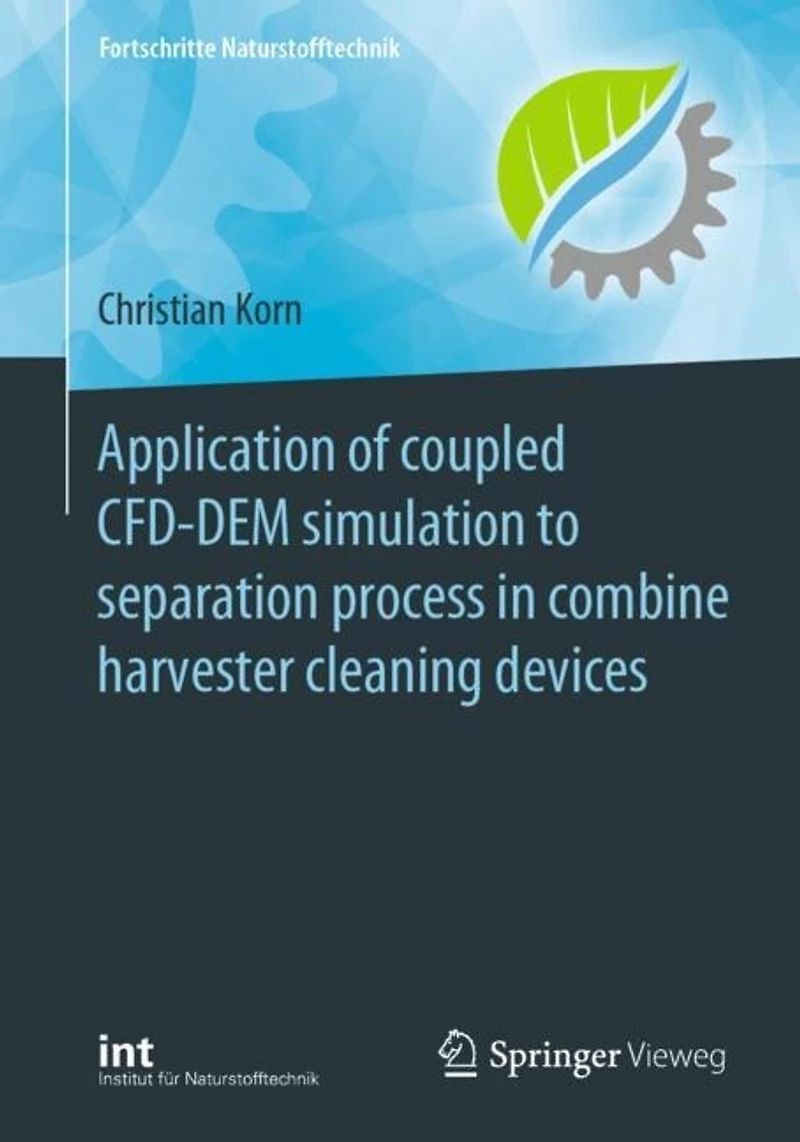
Application of coupled CFD-DEM simulation to separation process in combine harvester cleaning devices in Grande Prairie, AB
Current price: $160.95
Coles
Application of coupled CFD-DEM simulation to separation process in combine harvester cleaning devices in Grande Prairie, AB
Current price: $160.95
Loading Inventory...
Size: Paperback
*Product information and pricing may vary - to confirm current pricing, availability, shipping, and return information please contact Coles. In the event of a pricing discrepancy, the retailer's price will apply.
This book discusses the application of the coupled CFD-DEM approach for simulating the separation of grain and material other than grain in combine harvester cleaning devices. Based on a literature study, it describes the most important influencing factors and presents a database for particle parameterization. It investigates the separation process in two steps with differing levels of process abstraction. The first step involves numerical separation in a vertically oscillating box with airflow, and in the context of a sensitivity study, investigates the effect of selected material, contact and operating parameters on the target variables' separation time and grain purity. In the second step, the numerical separation process was performed in a 200 mm wide segment of a combine harvester cleaning device. The numerical results were then compared with experimental investigations in order to confirm the method's applicability.
This book discusses the application of the coupled CFD-DEM approach for simulating the separation of grain and material other than grain in combine harvester cleaning devices. Based on a literature study, it describes the most important influencing factors and presents a database for particle parameterization. It investigates the separation process in two steps with differing levels of process abstraction. The first step involves numerical separation in a vertically oscillating box with airflow, and in the context of a sensitivity study, investigates the effect of selected material, contact and operating parameters on the target variables' separation time and grain purity. In the second step, the numerical separation process was performed in a 200 mm wide segment of a combine harvester cleaning device. The numerical results were then compared with experimental investigations in order to confirm the method's applicability.
You May Also Like














Find at Prairie Mall in Grande Prairie, AB
Visit at Prairie Mall in Grande Prairie, AB