


Gifting Made Simple
Give the Gift of ChoiceClick below to purchase a Prairie Mall eGift Card that can be used at participating retailers at Prairie Mall.Buy Gift CardHome
Antisemitism Without Jews Germany, France and the U.S.: Phantom Enemies
Coles
Loading Inventory...
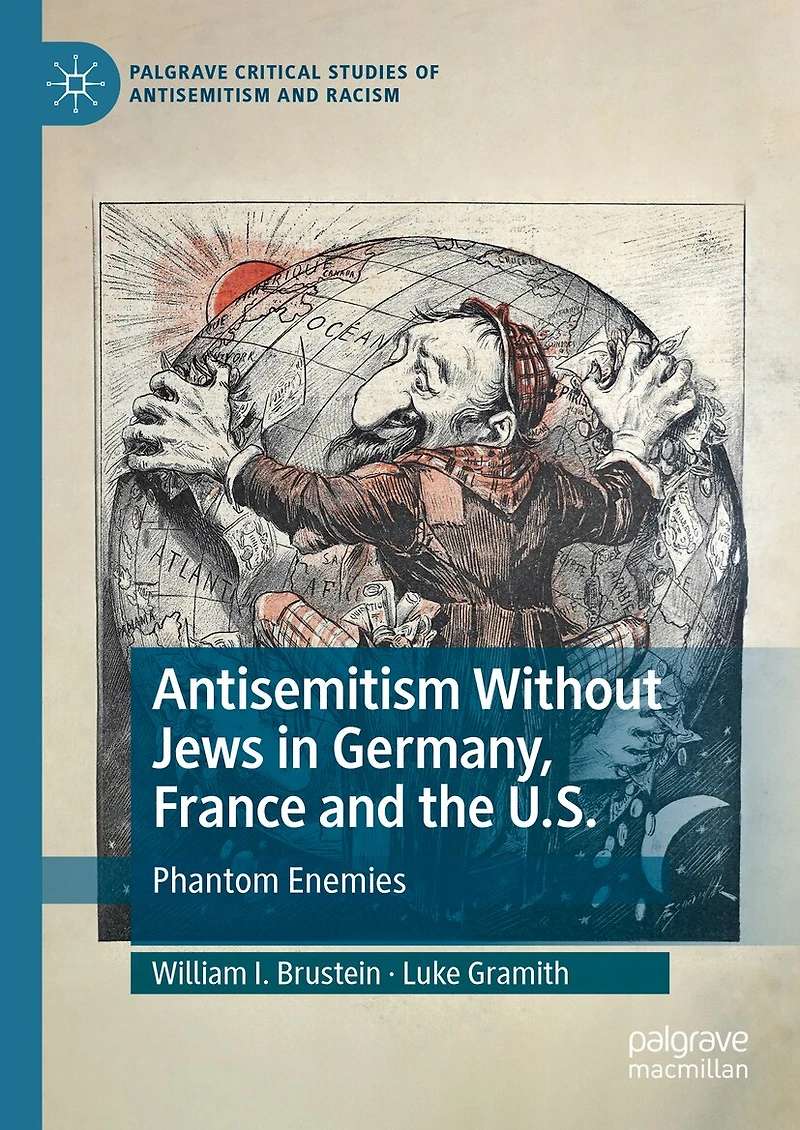

Antisemitism Without Jews Germany, France and the U.S.: Phantom Enemies in Grande Prairie, AB
Current price: $233.95
Coles
Antisemitism Without Jews Germany, France and the U.S.: Phantom Enemies in Grande Prairie, AB
Current price: $233.95
Loading Inventory...
Size: Hardcover
*Product information and pricing may vary - to confirm current pricing, availability, shipping, and return information please contact Coles. In the event of a pricing discrepancy, the retailer's price will apply.
Why does antisemitic messaging strike a chord in certain communities without Jews but fall flat in neighboring communities equally without Jews? This book focuses on antipathy towards Jews - expressed through successful electoral campaigns where a candidate or political party championed antisemitism - in communities located in three different nations where the Jewish population had virtually no history of interaction with the resident majority population of non-Jews. The cases are: the election of antisemitic deputies in the 1893 German Reichstag Elections from eastern Saxony; the election of a slate of antisemitic deputies to the French Chamber in 1898 from the southwestern French department of the Gers; and the significant proportion of votes for the antisemitic campaign of Gerald B. Winrod in the U.S. Senate Republican Party primary election in 1938 in Kansas. Each of these examples illustrates the existence of heightened levels of antisemitism in cases where few, if any, Jews had engagement with the majority population.
Why does antisemitic messaging strike a chord in certain communities without Jews but fall flat in neighboring communities equally without Jews? This book focuses on antipathy towards Jews - expressed through successful electoral campaigns where a candidate or political party championed antisemitism - in communities located in three different nations where the Jewish population had virtually no history of interaction with the resident majority population of non-Jews. The cases are: the election of antisemitic deputies in the 1893 German Reichstag Elections from eastern Saxony; the election of a slate of antisemitic deputies to the French Chamber in 1898 from the southwestern French department of the Gers; and the significant proportion of votes for the antisemitic campaign of Gerald B. Winrod in the U.S. Senate Republican Party primary election in 1938 in Kansas. Each of these examples illustrates the existence of heightened levels of antisemitism in cases where few, if any, Jews had engagement with the majority population.
You May Also Like
















Find at Prairie Mall in Grande Prairie, AB
Visit at Prairie Mall in Grande Prairie, AB