


Gifting Made Simple
Give the Gift of ChoiceClick below to purchase a Prairie Mall eGift Card that can be used at participating retailers at Prairie Mall.Buy Gift CardHome
Antimodernism and Artistic Experience: Policing the Boundaries of Modernity
Coles
Loading Inventory...
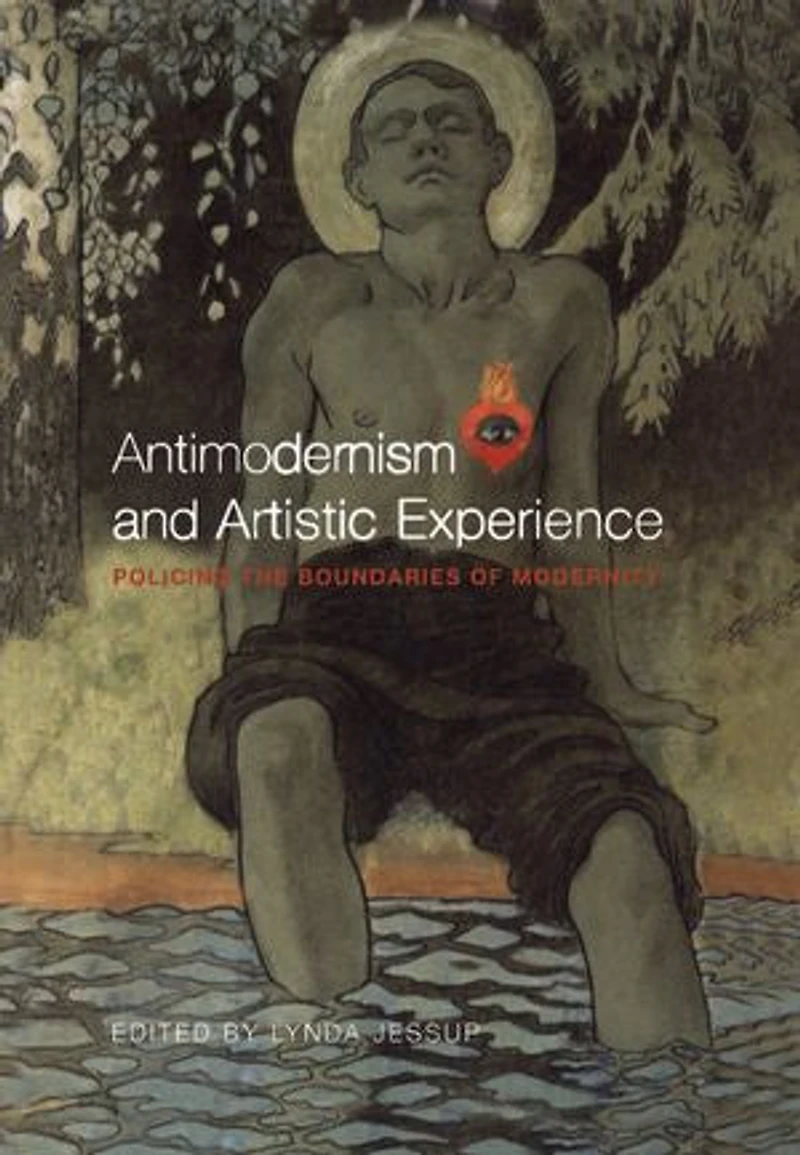
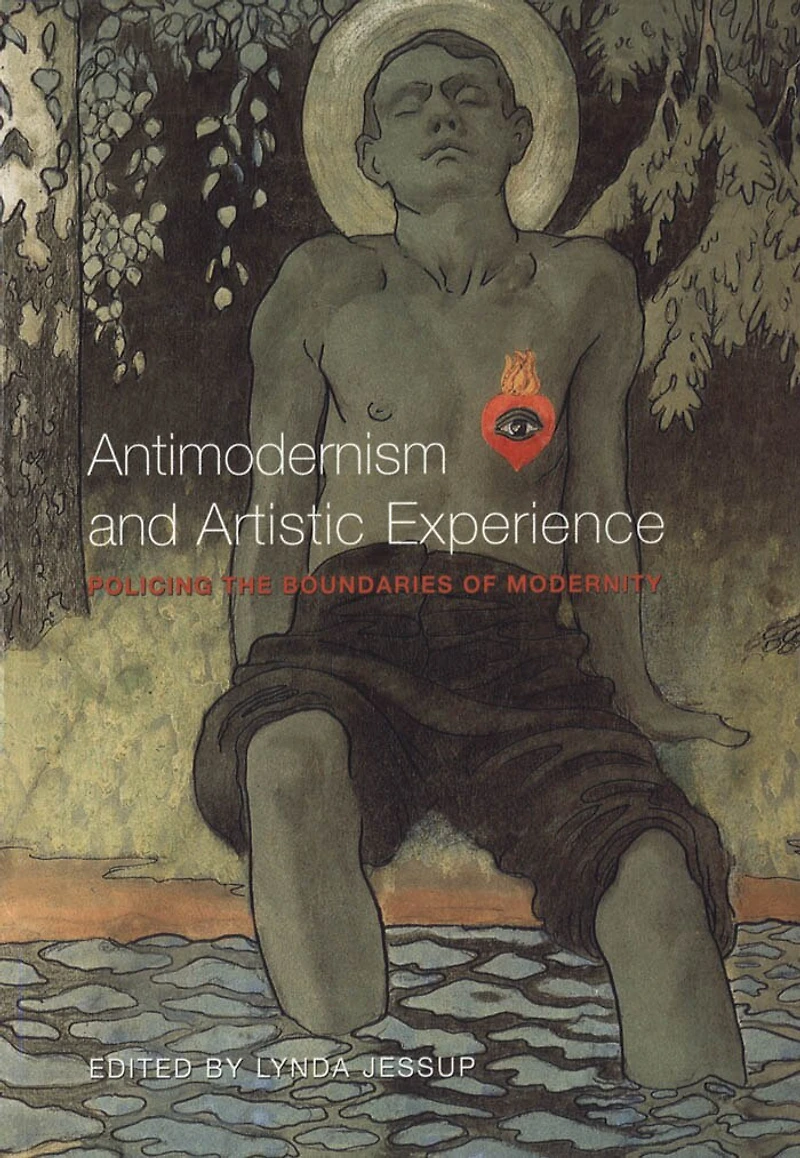
Antimodernism and Artistic Experience: Policing the Boundaries of Modernity in Grande Prairie, AB
Current price: $46.39
Original price: $58.00
Coles
Antimodernism and Artistic Experience: Policing the Boundaries of Modernity in Grande Prairie, AB
Current price: $46.39
Original price: $58.00
Loading Inventory...
Size: Kobo eBook
*Product information and pricing may vary - to confirm current pricing, availability, shipping, and return information please contact Coles. In the event of a pricing discrepancy, the retailer's price will apply.
Antimodernism is a term used to describe the international reaction to the onslaught of the modern world that swept across industrialized Western Europe, North America, and Japan in the decades around the turn of the twentieth century. Scholars in art history, anthropology, political science, history, and feminist media studies explore antimodernism as an artistic response to a perceived sense of loss - in particular, the loss of 'authentic' experience. Embracing the 'authentic' as a redemptive antidote to the threat of unheralded economic and social change, antimodernism sought out experience supposedly embodied in pre-industrialized societies - in medieval communities or 'oriental cultures,' in the Primitive, the Traditional, or Folk. In describing the ways in which modern artists used antimodern constructs in formulating their work, the contributors examine the involvement of artists and intellectuals in the reproduction and diffusion of these concepts. In doing so they reveal the interrelation of fine art, decorative art, souvenir or tourist art, and craft, questioning the ways in which these categories of artistic expression reformulate and naturalise social relations in the field of cultural production.
Antimodernism is a term used to describe the international reaction to the onslaught of the modern world that swept across industrialized Western Europe, North America, and Japan in the decades around the turn of the twentieth century. Scholars in art history, anthropology, political science, history, and feminist media studies explore antimodernism as an artistic response to a perceived sense of loss - in particular, the loss of 'authentic' experience. Embracing the 'authentic' as a redemptive antidote to the threat of unheralded economic and social change, antimodernism sought out experience supposedly embodied in pre-industrialized societies - in medieval communities or 'oriental cultures,' in the Primitive, the Traditional, or Folk. In describing the ways in which modern artists used antimodern constructs in formulating their work, the contributors examine the involvement of artists and intellectuals in the reproduction and diffusion of these concepts. In doing so they reveal the interrelation of fine art, decorative art, souvenir or tourist art, and craft, questioning the ways in which these categories of artistic expression reformulate and naturalise social relations in the field of cultural production.
You May Also Like








Find at Prairie Mall in Grande Prairie, AB
Visit at Prairie Mall in Grande Prairie, AB