


Gifting Made Simple
Give the Gift of ChoiceClick below to purchase a Prairie Mall eGift Card that can be used at participating retailers at Prairie Mall.Buy Gift CardHome
Antidumping: How It Works and Who Gets Hurt
Coles
Loading Inventory...
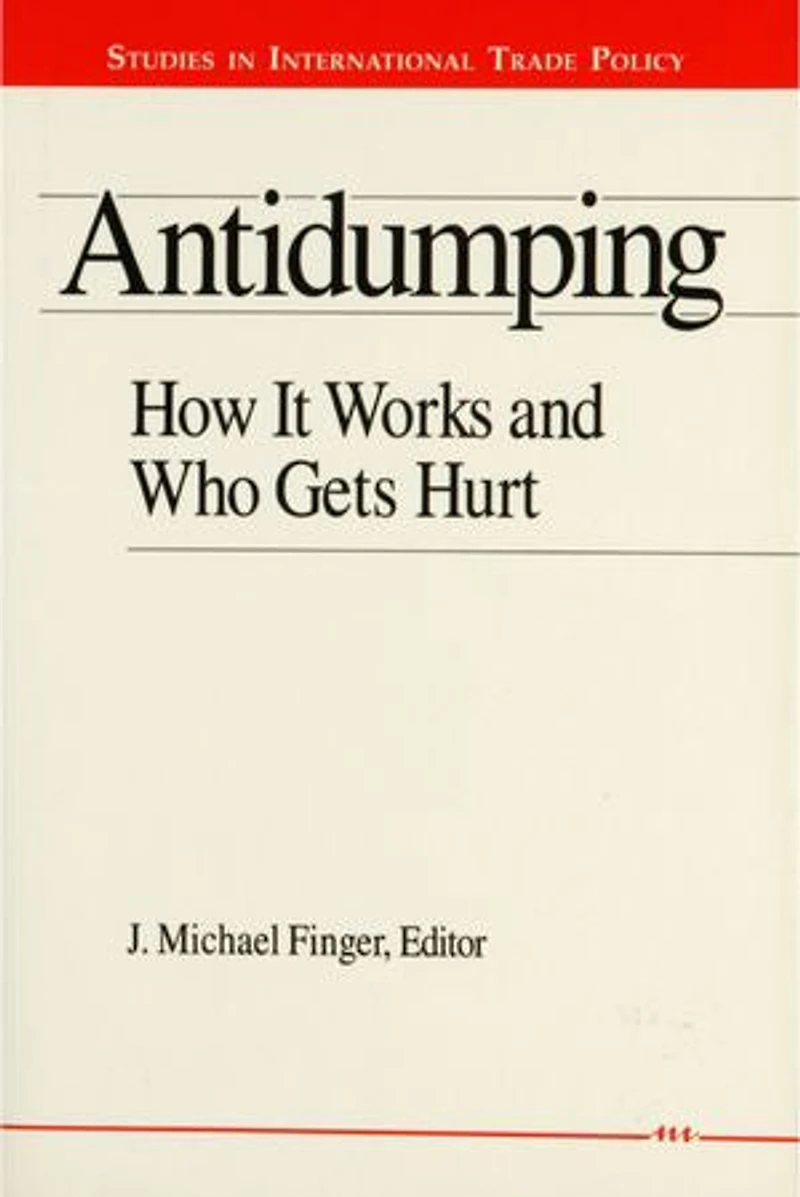
Antidumping: How It Works and Who Gets Hurt in Grande Prairie, AB
Current price: $97.79
Original price: $122.15
Coles
Antidumping: How It Works and Who Gets Hurt in Grande Prairie, AB
Current price: $97.79
Original price: $122.15
Loading Inventory...
Size: Kobo eBook
*Product information and pricing may vary - to confirm current pricing, availability, shipping, and return information please contact Coles. In the event of a pricing discrepancy, the retailer's price will apply.
Antidumping is a threat to the liberal trading system that post-World War II Western leadership struggled courageously and effectively to create. It offers a GATT-legal means to destroy the GATT system, leading to restrictions on more U.S. imports than even the Multi-Fibre Arrangement. This book presents studies of five industries whose exports have been hard hit by antidumping actions. Each of these studies avoids the legalisms and the jargon of antidumping and answers a straightforward question: was the national economic interest of either the exporting or the importing country improved by the antidumping actions that were taken? The contributors not only ask questions and present viable answers, but also provide a proposal that offers both consistence with GATT and good economics.This book will be of interest to lawyers, political scientists, economists, and business people. It has intentionally avoided the specialized language of trade regulation so that it may be more readily accessible to anyone interested in international commercial policy.
Antidumping is a threat to the liberal trading system that post-World War II Western leadership struggled courageously and effectively to create. It offers a GATT-legal means to destroy the GATT system, leading to restrictions on more U.S. imports than even the Multi-Fibre Arrangement. This book presents studies of five industries whose exports have been hard hit by antidumping actions. Each of these studies avoids the legalisms and the jargon of antidumping and answers a straightforward question: was the national economic interest of either the exporting or the importing country improved by the antidumping actions that were taken? The contributors not only ask questions and present viable answers, but also provide a proposal that offers both consistence with GATT and good economics.This book will be of interest to lawyers, political scientists, economists, and business people. It has intentionally avoided the specialized language of trade regulation so that it may be more readily accessible to anyone interested in international commercial policy.
You May Also Like














Find at Prairie Mall in Grande Prairie, AB
Visit at Prairie Mall in Grande Prairie, AB