


Gifting Made Simple
Give the Gift of ChoiceClick below to purchase a Prairie Mall eGift Card that can be used at participating retailers at Prairie Mall.Buy Gift CardHome
Anti-Jacobitism and the English People, 1714-1746
Coles
Loading Inventory...
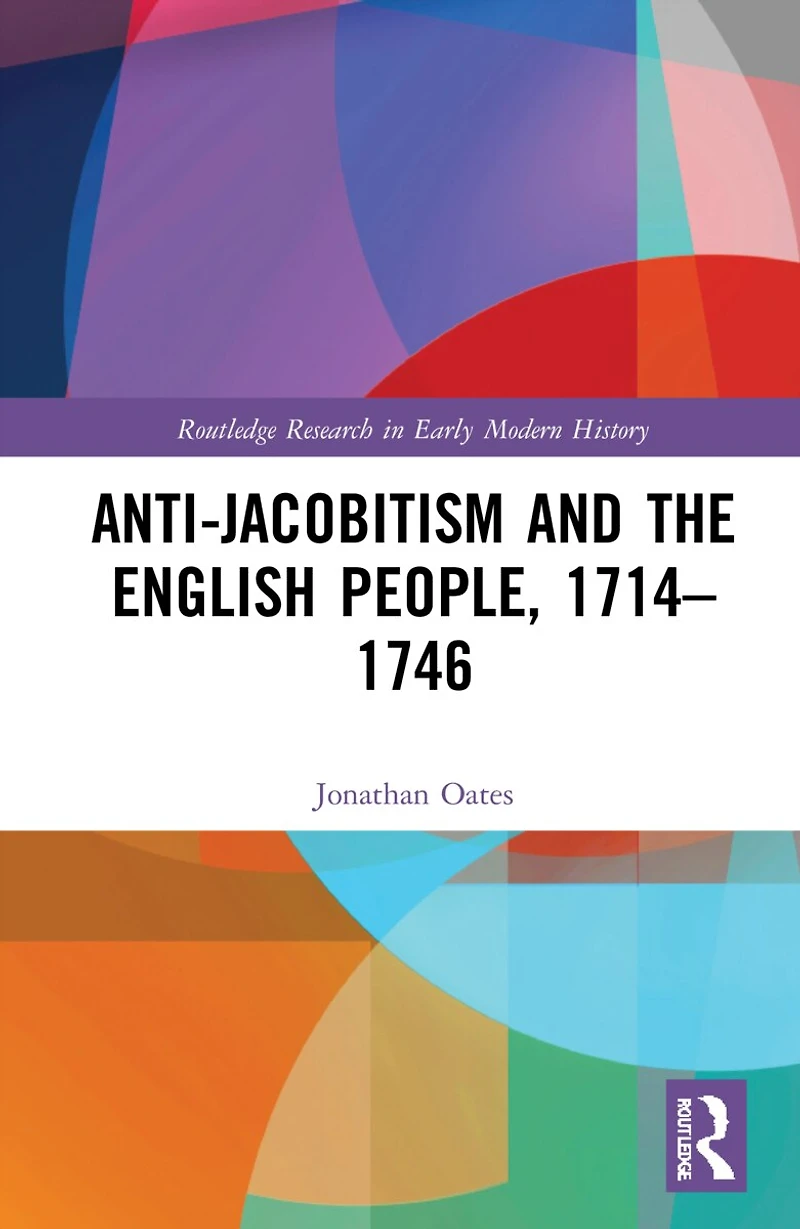
Anti-Jacobitism and the English People, 1714-1746 in Grande Prairie, AB
Current price: $296.50
Coles
Anti-Jacobitism and the English People, 1714-1746 in Grande Prairie, AB
Current price: $296.50
Loading Inventory...
Size: Hardcover
*Product information and pricing may vary - to confirm current pricing, availability, shipping, and return information please contact Coles. In the event of a pricing discrepancy, the retailer's price will apply.
In both 1715 and 1745 there was a major military challenge in Britain to the thrones of George I and George II, posed by Jacobite supporters of the exiled Stuart claimant. This book examines the responses of those loyal to the Hanoverian dynasty, whose efforts have been ignored or disparaged compared to the military perspective or that of the Jacobites. These efforts included those of the clergy who gave loyalist sermons, accompanied the volunteer forces against the Jacobites and even stood up to the Jacobite forces in person. The lords lieutenant organized militia and volunteer forces to support the status quo. Official bodies, such as the corporations, parishes, quarter sessions and sheriffs, organized events to celebrate loyalist occasions and dealt with local Jacobite sympathisers. The press, both national and regional, was uniformly loyal. Finally, both the middling and common people acted, often violently, against those thought to be hostile towards the status quo. The effectiveness of these bodies had limits, but was at times decisive, and showed that the dynasty was not without popular support in its hours of crisis. This volume is essential reading for all those interested in the Jacobite rebellions and the early English Georgian state, church and society.
In both 1715 and 1745 there was a major military challenge in Britain to the thrones of George I and George II, posed by Jacobite supporters of the exiled Stuart claimant. This book examines the responses of those loyal to the Hanoverian dynasty, whose efforts have been ignored or disparaged compared to the military perspective or that of the Jacobites. These efforts included those of the clergy who gave loyalist sermons, accompanied the volunteer forces against the Jacobites and even stood up to the Jacobite forces in person. The lords lieutenant organized militia and volunteer forces to support the status quo. Official bodies, such as the corporations, parishes, quarter sessions and sheriffs, organized events to celebrate loyalist occasions and dealt with local Jacobite sympathisers. The press, both national and regional, was uniformly loyal. Finally, both the middling and common people acted, often violently, against those thought to be hostile towards the status quo. The effectiveness of these bodies had limits, but was at times decisive, and showed that the dynasty was not without popular support in its hours of crisis. This volume is essential reading for all those interested in the Jacobite rebellions and the early English Georgian state, church and society.
You May Also Like













Find at Prairie Mall in Grande Prairie, AB
Visit at Prairie Mall in Grande Prairie, AB