


Gifting Made Simple
Give the Gift of ChoiceClick below to purchase a Prairie Mall eGift Card that can be used at participating retailers at Prairie Mall.Buy Gift CardHome
Anselm's Argument: Divine Necessity
Coles
Loading Inventory...
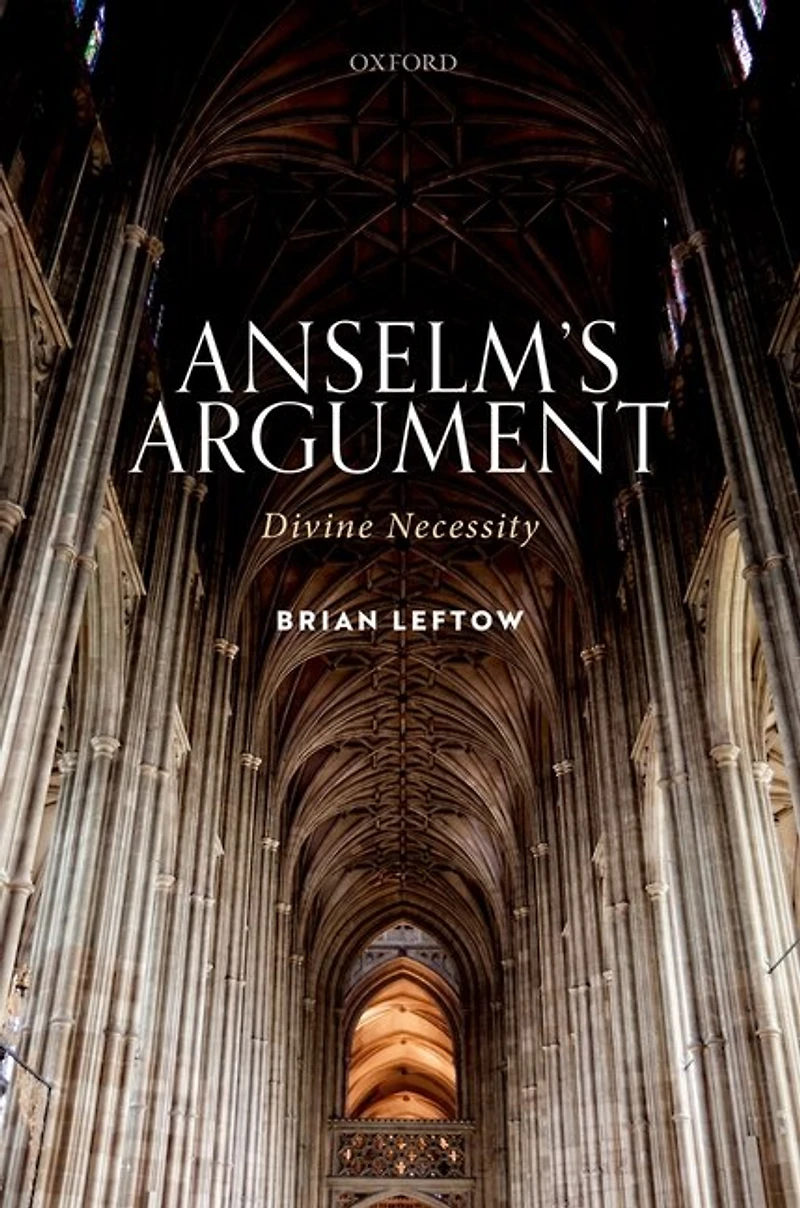
Anselm's Argument: Divine Necessity in Grande Prairie, AB
Current price: $128.04
Coles
Anselm's Argument: Divine Necessity in Grande Prairie, AB
Current price: $128.04
Loading Inventory...
Size: Hardcover
*Product information and pricing may vary - to confirm current pricing, availability, shipping, and return information please contact Coles. In the event of a pricing discrepancy, the retailer's price will apply.
Anselm of Canterbury gave the first modal "ontological" argument for God's existence. Yet, despite its distinct originality, philosophers have mostly avoided the question of what modal concepts the argument uses, and whether Anselm's metaphysics entitles him to use them.
Here, Brian Leftow sets out Anselm's modal metaphysics. He argues that Anselm has an "absolute", "broadly logical", or "metaphysical" modal concept, and that his metaphysics provides acceptable truth makers for claims in this modality. He shows that his modal argument is committed (in effect) to the Brouwer system of modal logic, and defends the claim that Brouwer is part of the logic of "absolute" or "metaphysical" modality. He also defends Anselm's premise that God would exist with absolute necessity against all extant objections, providing new arguments in support of it and ultimately defending all but one premise of Anselm's best argument for God's existence.
Anselm of Canterbury gave the first modal "ontological" argument for God's existence. Yet, despite its distinct originality, philosophers have mostly avoided the question of what modal concepts the argument uses, and whether Anselm's metaphysics entitles him to use them.
Here, Brian Leftow sets out Anselm's modal metaphysics. He argues that Anselm has an "absolute", "broadly logical", or "metaphysical" modal concept, and that his metaphysics provides acceptable truth makers for claims in this modality. He shows that his modal argument is committed (in effect) to the Brouwer system of modal logic, and defends the claim that Brouwer is part of the logic of "absolute" or "metaphysical" modality. He also defends Anselm's premise that God would exist with absolute necessity against all extant objections, providing new arguments in support of it and ultimately defending all but one premise of Anselm's best argument for God's existence.
You May Also Like









Find at Prairie Mall in Grande Prairie, AB
Visit at Prairie Mall in Grande Prairie, AB