


Gifting Made Simple
Give the Gift of ChoiceClick below to purchase a Prairie Mall eGift Card that can be used at participating retailers at Prairie Mall.Buy Gift CardHome
Animal Suffering and the Darwinian Problem of Evil
Coles
Loading Inventory...
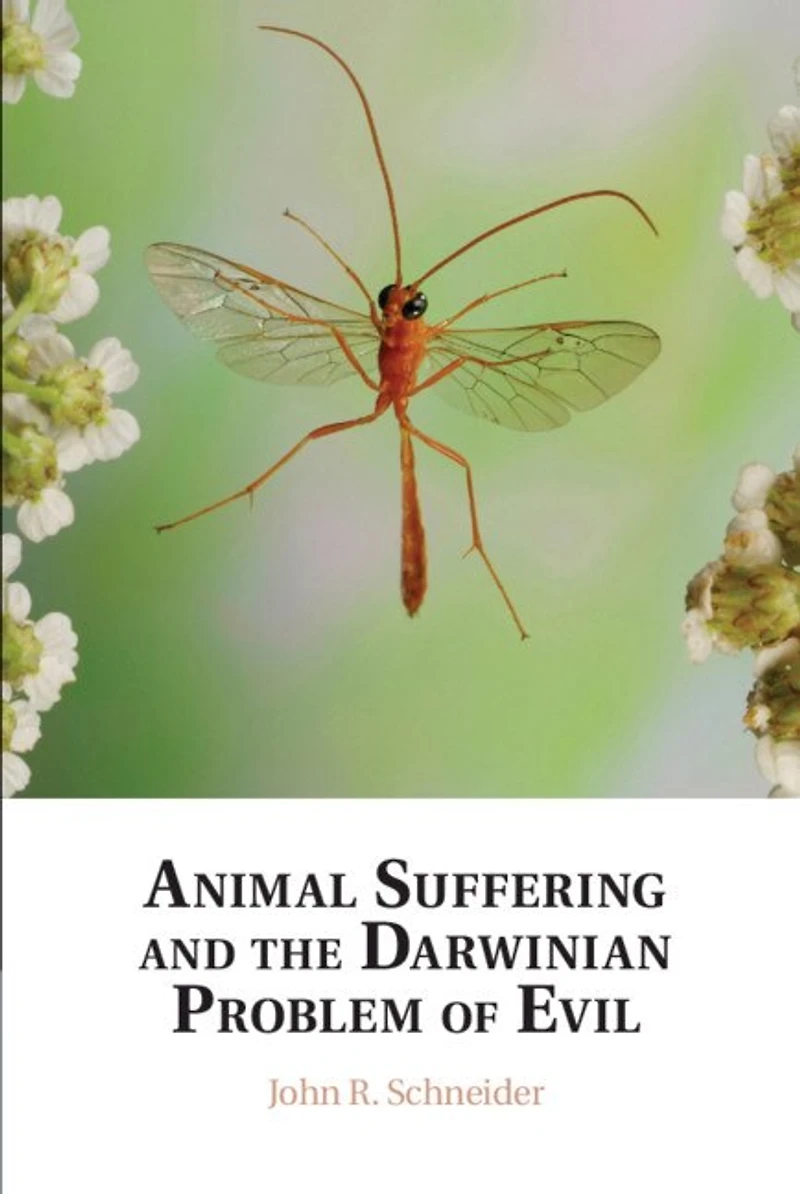
Animal Suffering and the Darwinian Problem of Evil in Grande Prairie, AB
Current price: $152.95
Coles
Animal Suffering and the Darwinian Problem of Evil in Grande Prairie, AB
Current price: $152.95
Loading Inventory...
Size: Hardcover
*Product information and pricing may vary - to confirm current pricing, availability, shipping, and return information please contact Coles. In the event of a pricing discrepancy, the retailer's price will apply.
John R. Schneider explores the problem that animal suffering, caused by the inherent nature of Darwinian evolution, poses to belief in theism. Examining the aesthetic aspects of this moral problem, Schneider focuses on the three prevailing approaches to it: that the Fall caused animal suffering in nature (Lapsarian Theodicy), that Darwinian evolution was the only way for God to create an acceptably good and valuable world (Only-Way Theodicy), and that evolution is the source of major, God-justifying beauty (Aesthetic Theodicy). He also uses canonical texts and doctrines from Judaism and Christianity - notably the book of Job, and the doctrines of the incarnation, atonement, and resurrection - to build on insights taken from the non-lapsarian alternative approaches. Schneider thus constructs an original, God-justifying account of God and the evolutionary suffering of animals. His book enables readers to see that the Darwinian configuration of animal suffering unveiled by scientists is not as implausible on Christian theism as commonly supposed.
John R. Schneider explores the problem that animal suffering, caused by the inherent nature of Darwinian evolution, poses to belief in theism. Examining the aesthetic aspects of this moral problem, Schneider focuses on the three prevailing approaches to it: that the Fall caused animal suffering in nature (Lapsarian Theodicy), that Darwinian evolution was the only way for God to create an acceptably good and valuable world (Only-Way Theodicy), and that evolution is the source of major, God-justifying beauty (Aesthetic Theodicy). He also uses canonical texts and doctrines from Judaism and Christianity - notably the book of Job, and the doctrines of the incarnation, atonement, and resurrection - to build on insights taken from the non-lapsarian alternative approaches. Schneider thus constructs an original, God-justifying account of God and the evolutionary suffering of animals. His book enables readers to see that the Darwinian configuration of animal suffering unveiled by scientists is not as implausible on Christian theism as commonly supposed.
You May Also Like












Find at Prairie Mall in Grande Prairie, AB
Visit at Prairie Mall in Grande Prairie, AB