


Gifting Made Simple
Give the Gift of ChoiceClick below to purchase a Prairie Mall eGift Card that can be used at participating retailers at Prairie Mall.Buy Gift CardHome
Animal Population Ecology: An Analytical Approach
Coles
Loading Inventory...
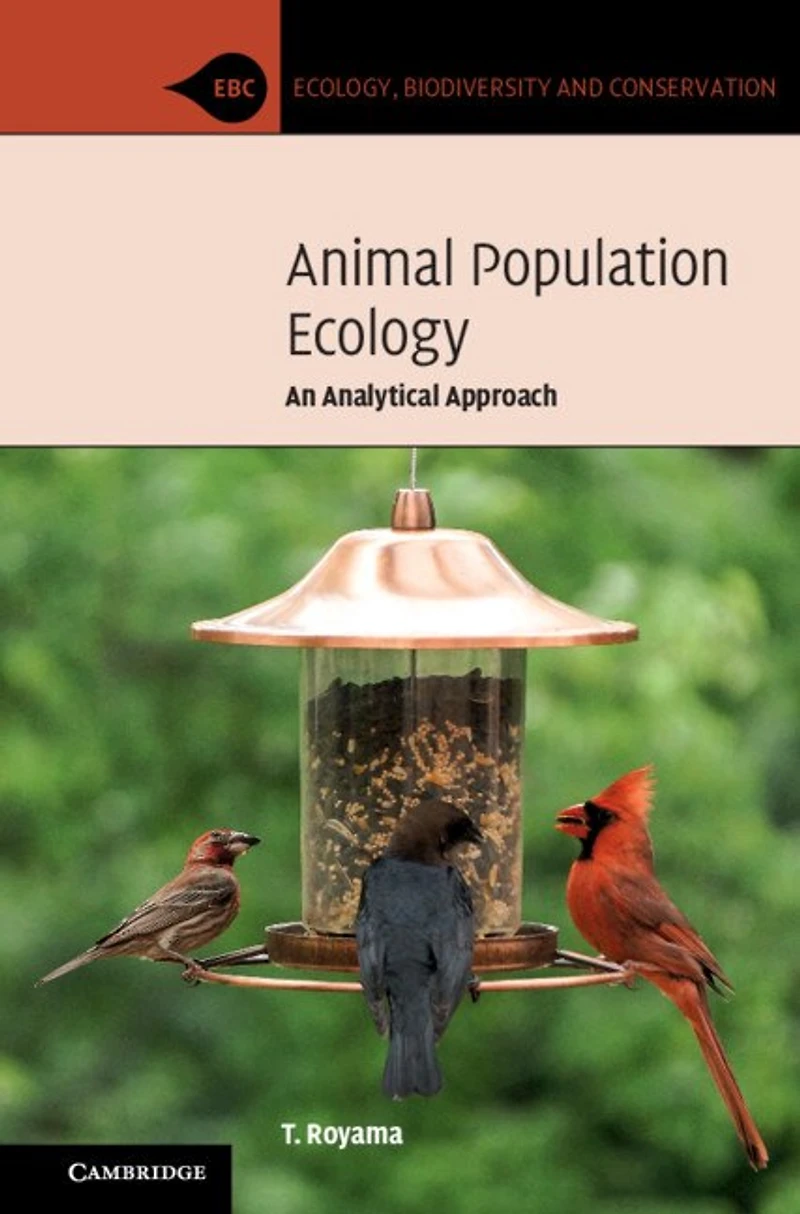
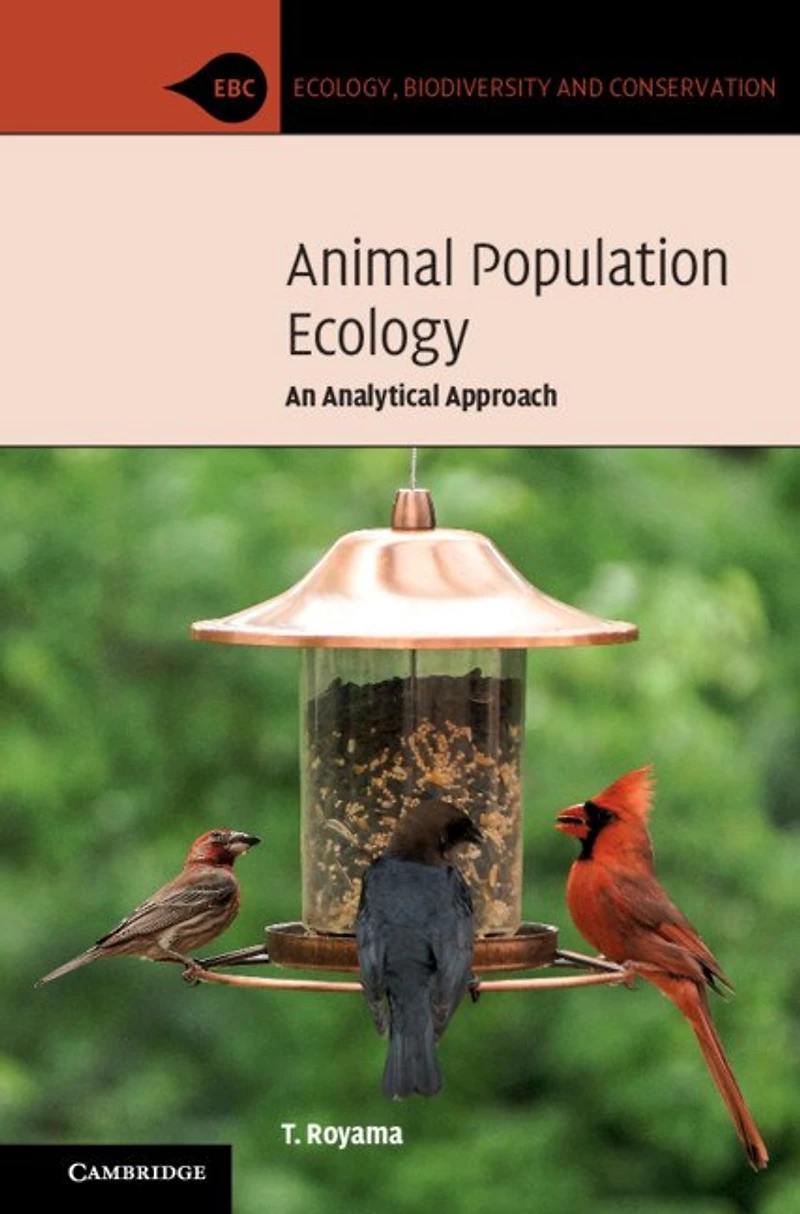
Animal Population Ecology: An Analytical Approach in Grande Prairie, AB
Current price: $142.95
Coles
Animal Population Ecology: An Analytical Approach in Grande Prairie, AB
Current price: $142.95
Loading Inventory...
Size: Hardcover
*Product information and pricing may vary - to confirm current pricing, availability, shipping, and return information please contact Coles. In the event of a pricing discrepancy, the retailer's price will apply.
Animal population ecology comprises the study of variations, regulation, and interactions of animal populations. This book discusses the fundamental notions and findings of animal populations on which most of the ecological studies are based. In particular, the author selects the logistic law of population growth, the nature of competition, sociality as an antithesis of competition, the mechanism underlying the regulation of populations, predator-prey interaction processes, and interactions among closely related species competing over essential resources. These are the notions that are considered to be well-established facts or principles and are regularly taught at ecology classes or introduced in standard textbooks. However, the author demonstrates that these notions are still inadequately understood, or even misunderstood, creating myths that would misguide ecologists in carrying out their studies. He delves deeply into those notions to reveal their real nature and draws a road map to the future development of ecology.
Animal population ecology comprises the study of variations, regulation, and interactions of animal populations. This book discusses the fundamental notions and findings of animal populations on which most of the ecological studies are based. In particular, the author selects the logistic law of population growth, the nature of competition, sociality as an antithesis of competition, the mechanism underlying the regulation of populations, predator-prey interaction processes, and interactions among closely related species competing over essential resources. These are the notions that are considered to be well-established facts or principles and are regularly taught at ecology classes or introduced in standard textbooks. However, the author demonstrates that these notions are still inadequately understood, or even misunderstood, creating myths that would misguide ecologists in carrying out their studies. He delves deeply into those notions to reveal their real nature and draws a road map to the future development of ecology.
You May Also Like









Find at Prairie Mall in Grande Prairie, AB
Visit at Prairie Mall in Grande Prairie, AB