


Gifting Made Simple
Give the Gift of ChoiceClick below to purchase a Prairie Mall eGift Card that can be used at participating retailers at Prairie Mall.Buy Gift CardHome
Angiography: Techniques And Practices
Coles
Loading Inventory...
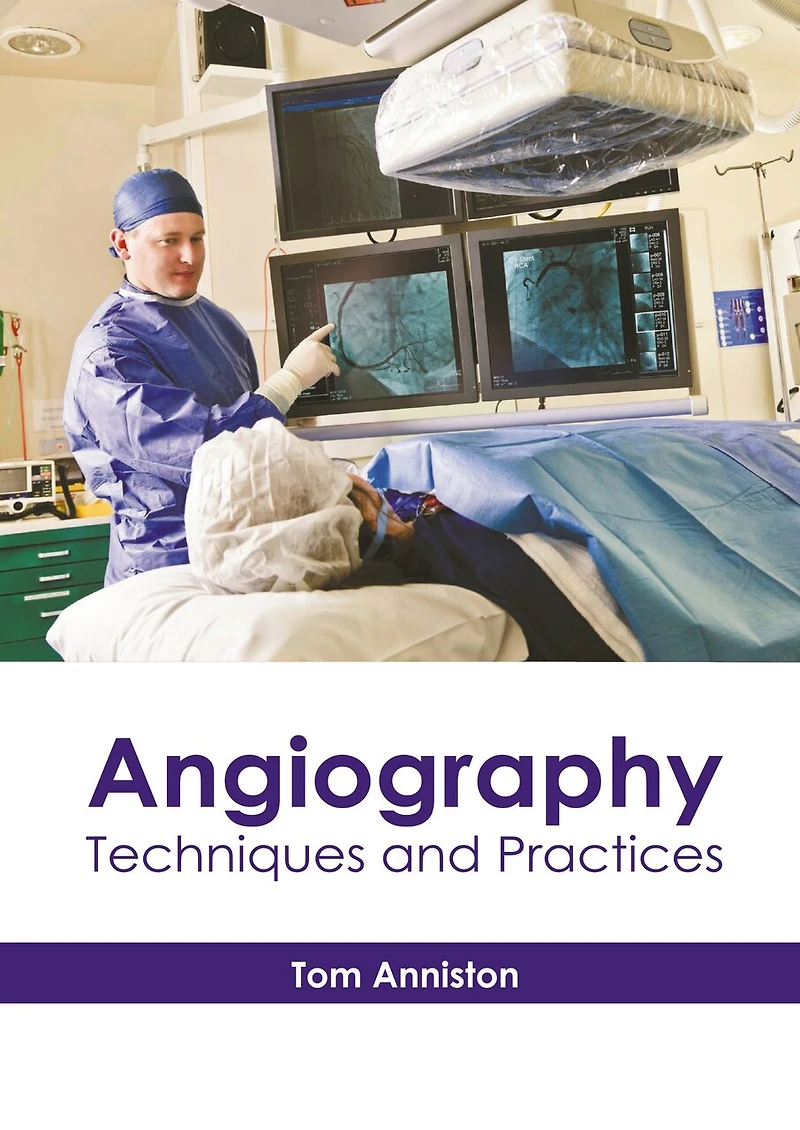
Angiography: Techniques And Practices in Grande Prairie, AB
Current price: $200.00
Coles
Angiography: Techniques And Practices in Grande Prairie, AB
Current price: $200.00
Loading Inventory...
Size: Hardcover
*Product information and pricing may vary - to confirm current pricing, availability, shipping, and return information please contact Coles. In the event of a pricing discrepancy, the retailer's price will apply.
The imaging technique used for visualizing the lumen of blood vessels and organs of the body is known as angiography. The imaging of the arteries and veins, and the chambers of the heart are primarily done using this technique. Traditionally, a radio-opaque contrast agent is injected into a blood vessel and imaged using X-ray guided technologies. The X-ray images are then displayed on a film or an image intensifier. The technique allows an interventional radiologist or cardiologist to evaluate the blood flow through a vessel as well as detect any stenosis inside the vessel. Angiography can be of different types, such as coronary angiography, fluorescein angiography, neuro-vascular angiography, peripheral angiography, microangiography and post mortem CT angiography. Each of these has a unique application in healthcare and forensic science. Coronary angiography allows the visualization of the blood in the coronary arteries, while microangiography allows the tiniest blood vessels to be imaged. Fluorescein angiography enables the back of the eye to be photographed and peripheral angiography is performed to detect blood flow anomalies in the feet and legs. This book outlines the techniques and applications of angiography in detail. The various advancements in angiography are glanced at and their applications are looked at in detail. It will serve as a valuable source of reference for graduate and post graduate students.
The imaging technique used for visualizing the lumen of blood vessels and organs of the body is known as angiography. The imaging of the arteries and veins, and the chambers of the heart are primarily done using this technique. Traditionally, a radio-opaque contrast agent is injected into a blood vessel and imaged using X-ray guided technologies. The X-ray images are then displayed on a film or an image intensifier. The technique allows an interventional radiologist or cardiologist to evaluate the blood flow through a vessel as well as detect any stenosis inside the vessel. Angiography can be of different types, such as coronary angiography, fluorescein angiography, neuro-vascular angiography, peripheral angiography, microangiography and post mortem CT angiography. Each of these has a unique application in healthcare and forensic science. Coronary angiography allows the visualization of the blood in the coronary arteries, while microangiography allows the tiniest blood vessels to be imaged. Fluorescein angiography enables the back of the eye to be photographed and peripheral angiography is performed to detect blood flow anomalies in the feet and legs. This book outlines the techniques and applications of angiography in detail. The various advancements in angiography are glanced at and their applications are looked at in detail. It will serve as a valuable source of reference for graduate and post graduate students.
You May Also Like















Find at Prairie Mall in Grande Prairie, AB
Visit at Prairie Mall in Grande Prairie, AB