


Gifting Made Simple
Give the Gift of ChoiceClick below to purchase a Prairie Mall eGift Card that can be used at participating retailers at Prairie Mall.Buy Gift CardHome
Ancient Apologetics and the Bibliographic Imagination
Coles
Loading Inventory...
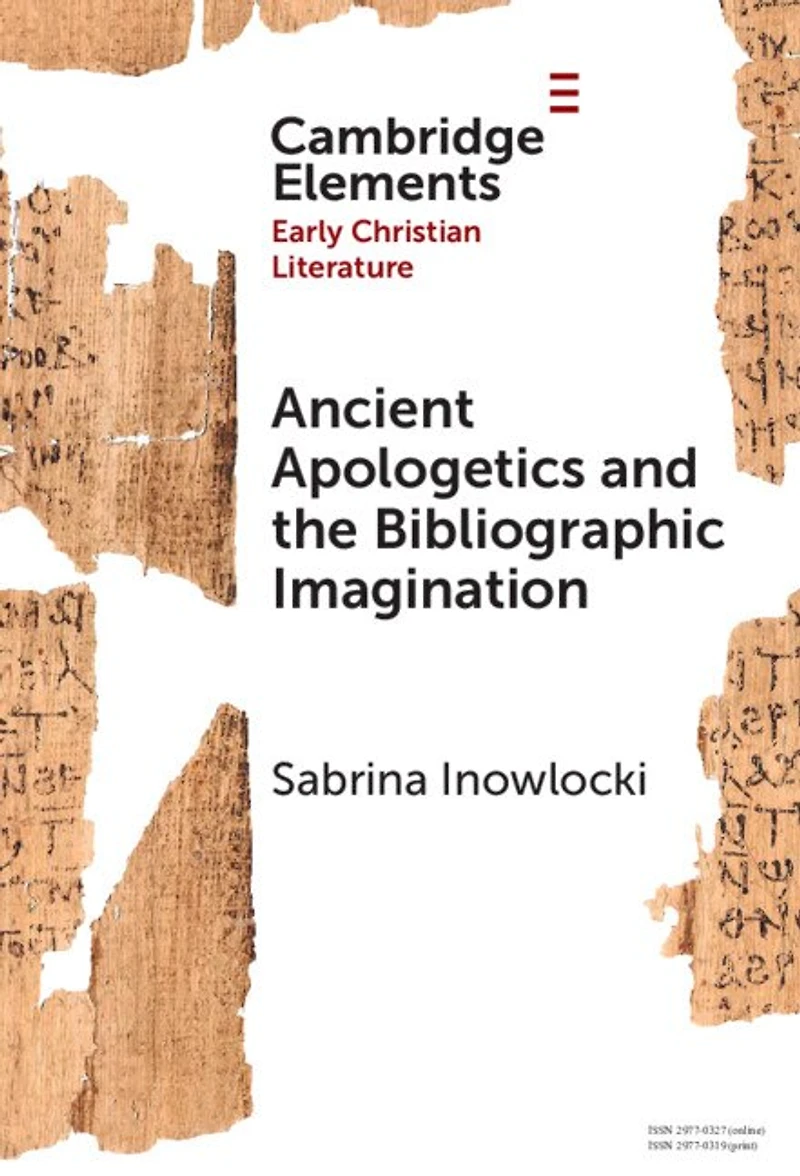
Ancient Apologetics and the Bibliographic Imagination in Grande Prairie, AB
Current price: $88.95
Coles
Ancient Apologetics and the Bibliographic Imagination in Grande Prairie, AB
Current price: $88.95
Loading Inventory...
Size: Hardcover
*Product information and pricing may vary - to confirm current pricing, availability, shipping, and return information please contact Coles. In the event of a pricing discrepancy, the retailer's price will apply.
Ancient apologetics is usually treated as a literary genre or a branch of early theology. This Element offers a different account. It argues that many Jewish and Christian texts conventionally labeled 'apologetic' are better understood through a bibliographic and archival lens: They produce authority not only by defending doctrines, but by organizing books, constructing corpora, mobilizing archives, and regulating interpretation. Tracing a trajectory from the Letter of Aristeas to Jerome's De viris illustribus, this Element shows how citation, collection, cataloguing, and textual ordering made traditions appear authoritative. Examining Aristeas, Josephus, Tatian, Justin, Origen, Pamphilus, Eusebius, and Jerome, it argues that apologetics is best understood as a form of curatorial power through which ancient communities learned to think with books. This title is also available as open access on Cambridge Core.
Ancient apologetics is usually treated as a literary genre or a branch of early theology. This Element offers a different account. It argues that many Jewish and Christian texts conventionally labeled 'apologetic' are better understood through a bibliographic and archival lens: They produce authority not only by defending doctrines, but by organizing books, constructing corpora, mobilizing archives, and regulating interpretation. Tracing a trajectory from the Letter of Aristeas to Jerome's De viris illustribus, this Element shows how citation, collection, cataloguing, and textual ordering made traditions appear authoritative. Examining Aristeas, Josephus, Tatian, Justin, Origen, Pamphilus, Eusebius, and Jerome, it argues that apologetics is best understood as a form of curatorial power through which ancient communities learned to think with books. This title is also available as open access on Cambridge Core.
You May Also Like









Find at Prairie Mall in Grande Prairie, AB
Visit at Prairie Mall in Grande Prairie, AB