


Gifting Made Simple
Give the Gift of ChoiceClick below to purchase a Prairie Mall eGift Card that can be used at participating retailers at Prairie Mall.Buy Gift CardHome
Analysis and Design of Hybrid Energy Storage Systems
Coles
Loading Inventory...
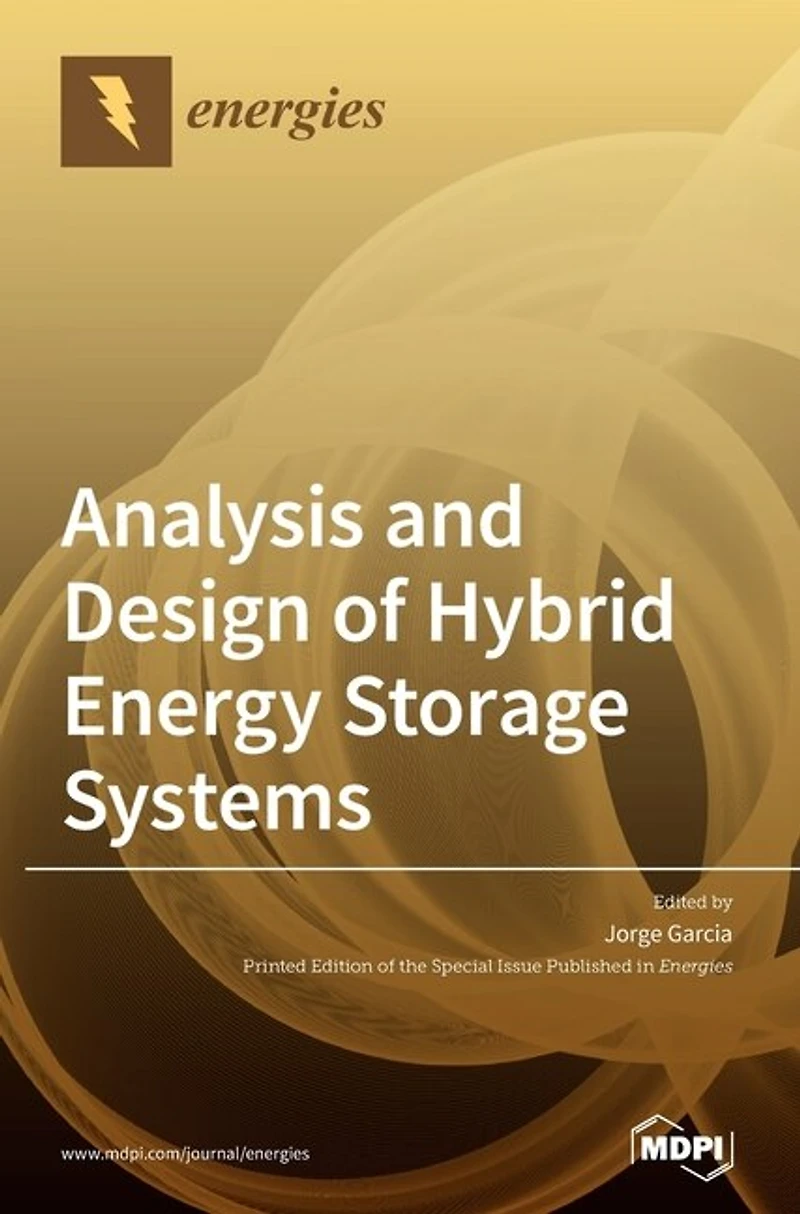
Analysis and Design of Hybrid Energy Storage Systems in Grande Prairie, AB
Current price: $72.40
Coles
Analysis and Design of Hybrid Energy Storage Systems in Grande Prairie, AB
Current price: $72.40
Loading Inventory...
Size: Hardcover
*Product information and pricing may vary - to confirm current pricing, availability, shipping, and return information please contact Coles. In the event of a pricing discrepancy, the retailer's price will apply.
The most important environmental challenge today's society is facing is to reduce the effects of CO2 emissions and global warming. Such an ambitious challenge can only be achieved through a holistic approach, capable of tackling the problem from a multidisciplinary point of view. One of the core technologies called to play a critical role in this approach is the use of energy storage systems. These systems enable, among other things, the balancing of the stochastic behavior of Renewable Sources and Distributed Generation in modern Energy Systems; the efficient supply of industrial and consumer loads; the development of efficient and clean transport; and the development of Nearly-Zero Energy Buildings (nZEB) and intelligent cities. Hybrid Energy Storage Systems (HESS) consist of two (or more) storage devices with complementary key characteristics, that are able to behave jointly with better performance than any of the technologies considered individually. Recent developments in storage device technologies, interface systems, control and monitoring techniques, or visualization and information technologies have driven the implementation of HESS in many industrial, commercial and domestic applications. This Special Issue focuses on the analysis, design and implementation of hybrid energy storage systems across a broad spectrum, encompassing different storage technologies (including electrochemical, capacitive, mechanical or mechanical storage devices), engineering branches (power electronics and control strategies; energy engineering; energy engineering; chemistry; modelling, simulation and emulation techniques; data analysis and algorithms; social and economic analysis; intelligent and Internet-of-Things (IoT) systems; and so on.), applications (energy systems, renewable energy generation, industrial applications, transportation, Uninterruptible Power Supplies (UPS) and critical load supply, etc.) and evaluation and performance (size and weight benefits, efficiency and power loss, economic analysis, environmental costs, etc.).
The most important environmental challenge today's society is facing is to reduce the effects of CO2 emissions and global warming. Such an ambitious challenge can only be achieved through a holistic approach, capable of tackling the problem from a multidisciplinary point of view. One of the core technologies called to play a critical role in this approach is the use of energy storage systems. These systems enable, among other things, the balancing of the stochastic behavior of Renewable Sources and Distributed Generation in modern Energy Systems; the efficient supply of industrial and consumer loads; the development of efficient and clean transport; and the development of Nearly-Zero Energy Buildings (nZEB) and intelligent cities. Hybrid Energy Storage Systems (HESS) consist of two (or more) storage devices with complementary key characteristics, that are able to behave jointly with better performance than any of the technologies considered individually. Recent developments in storage device technologies, interface systems, control and monitoring techniques, or visualization and information technologies have driven the implementation of HESS in many industrial, commercial and domestic applications. This Special Issue focuses on the analysis, design and implementation of hybrid energy storage systems across a broad spectrum, encompassing different storage technologies (including electrochemical, capacitive, mechanical or mechanical storage devices), engineering branches (power electronics and control strategies; energy engineering; energy engineering; chemistry; modelling, simulation and emulation techniques; data analysis and algorithms; social and economic analysis; intelligent and Internet-of-Things (IoT) systems; and so on.), applications (energy systems, renewable energy generation, industrial applications, transportation, Uninterruptible Power Supplies (UPS) and critical load supply, etc.) and evaluation and performance (size and weight benefits, efficiency and power loss, economic analysis, environmental costs, etc.).
You May Also Like









Find at Prairie Mall in Grande Prairie, AB
Visit at Prairie Mall in Grande Prairie, AB