


Gifting Made Simple
Give the Gift of ChoiceClick below to purchase a Prairie Mall eGift Card that can be used at participating retailers at Prairie Mall.Buy Gift CardHome
An Uneasy Hegemony: Politics of State-building and Struggles for Justice in Sri Lanka
Coles
Loading Inventory...
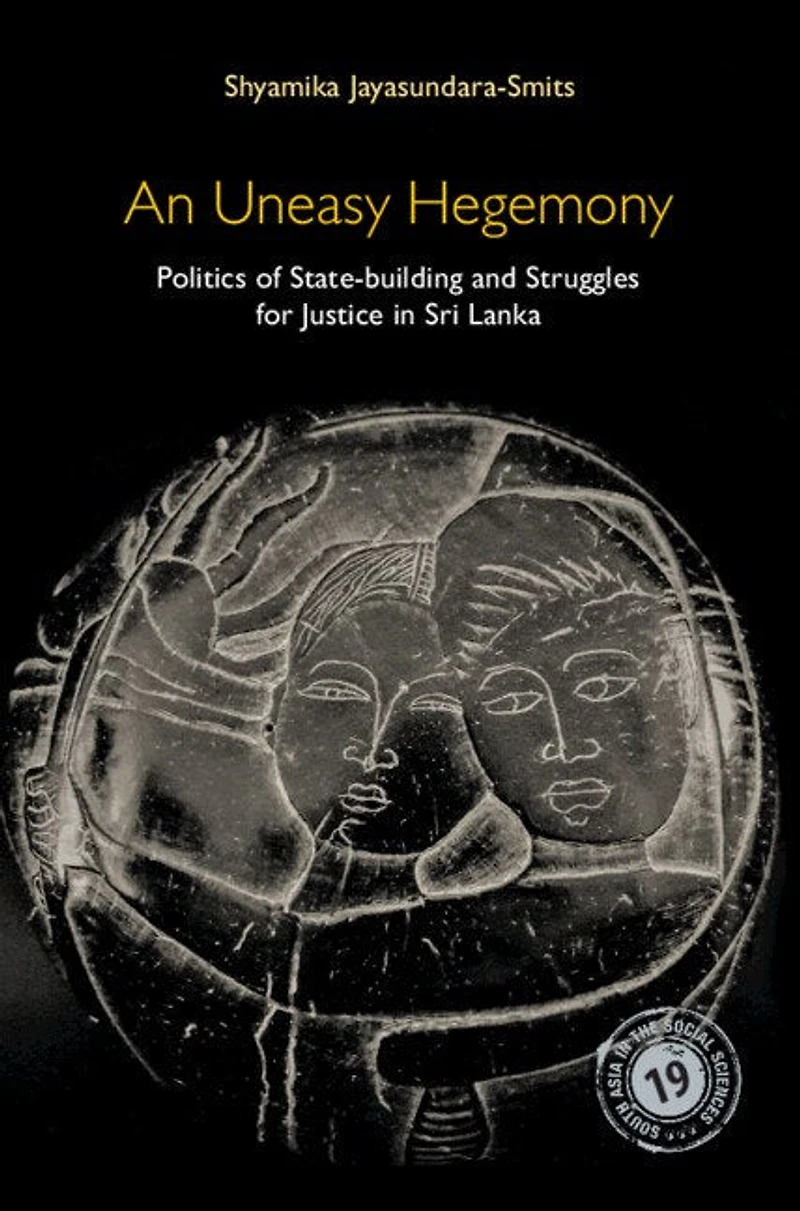
An Uneasy Hegemony: Politics of State-building and Struggles for Justice in Sri Lanka in Grande Prairie, AB
Current price: $152.95
Coles
An Uneasy Hegemony: Politics of State-building and Struggles for Justice in Sri Lanka in Grande Prairie, AB
Current price: $152.95
Loading Inventory...
Size: Hardcover
*Product information and pricing may vary - to confirm current pricing, availability, shipping, and return information please contact Coles. In the event of a pricing discrepancy, the retailer's price will apply.
Sri Lanka has been regarded as a model democracy among former British colonies. It was lauded for its impressive achievement in terms of human development indicators. However, Sri Lanka's modern history can also be read as a tragic story of inter-ethnic inequalities and tensions, resulting in years of violent conflicts. Two long spells of anti-state youth uprisings were followed by nearly three decades of civil war, and most recently a renewed upsurge of events are examples of the on-going uneasy project of state-building. This book discusses that state-building in Sri Lanka is centred on the struggle for hegemony amidst a kind of politics that rejects individual and group equality, opposes the social integration of marginalised groups and appeals to narrow, fearful and xenophobic tendencies among the majority population and minorities alike. It answers the pressing questions of - How do the dynamics of intra-Sinhalese class relations and Sinhalese politics influence the trajectories of post-colonial state-building? What tensions emerge over time, between Sinhalese hegemony-building and wider state-building? How did these tensions manifest in majority and minority relationships?
Sri Lanka has been regarded as a model democracy among former British colonies. It was lauded for its impressive achievement in terms of human development indicators. However, Sri Lanka's modern history can also be read as a tragic story of inter-ethnic inequalities and tensions, resulting in years of violent conflicts. Two long spells of anti-state youth uprisings were followed by nearly three decades of civil war, and most recently a renewed upsurge of events are examples of the on-going uneasy project of state-building. This book discusses that state-building in Sri Lanka is centred on the struggle for hegemony amidst a kind of politics that rejects individual and group equality, opposes the social integration of marginalised groups and appeals to narrow, fearful and xenophobic tendencies among the majority population and minorities alike. It answers the pressing questions of - How do the dynamics of intra-Sinhalese class relations and Sinhalese politics influence the trajectories of post-colonial state-building? What tensions emerge over time, between Sinhalese hegemony-building and wider state-building? How did these tensions manifest in majority and minority relationships?
You May Also Like










Find at Prairie Mall in Grande Prairie, AB
Visit at Prairie Mall in Grande Prairie, AB