


Gifting Made Simple
Give the Gift of ChoiceClick below to purchase a Prairie Mall eGift Card that can be used at participating retailers at Prairie Mall.Buy Gift CardHome
An Outline of the History Economic Thought
Coles
Loading Inventory...
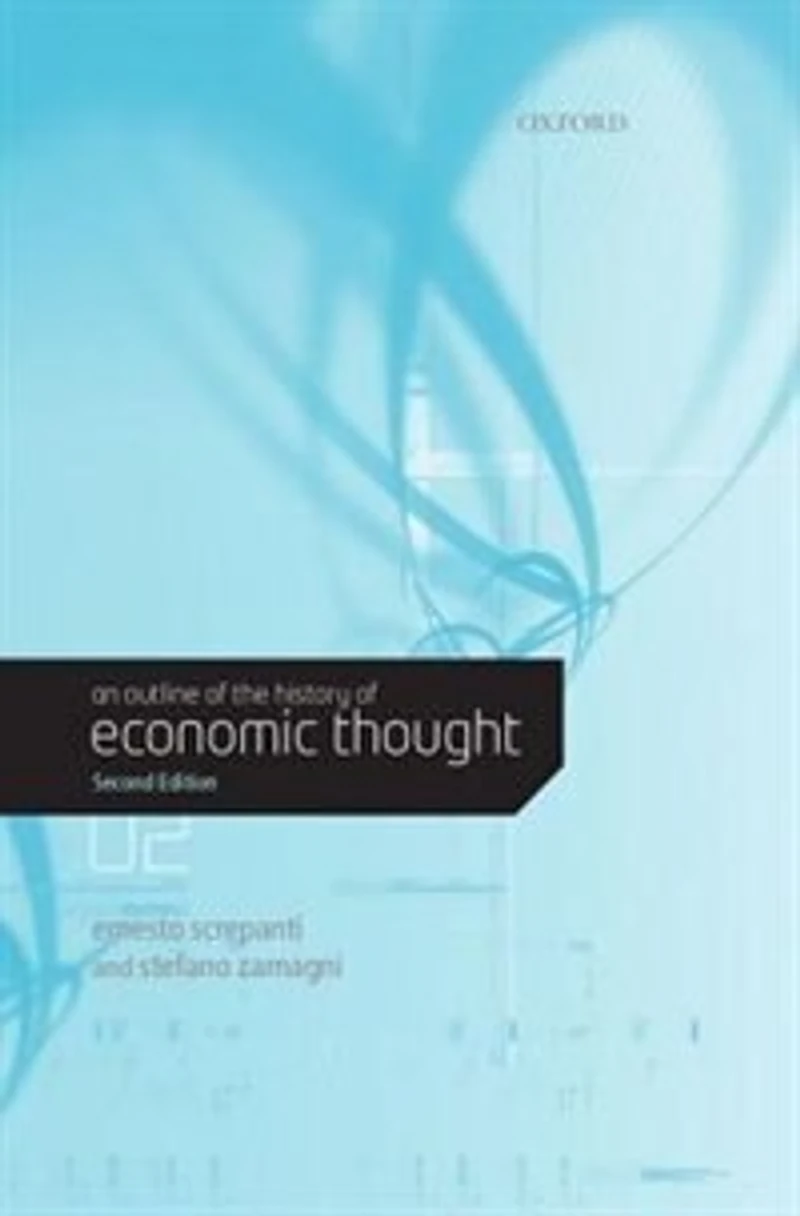
An Outline of the History Economic Thought in Grande Prairie, AB
Current price: $336.23
Coles
An Outline of the History Economic Thought in Grande Prairie, AB
Current price: $336.23
Loading Inventory...
Size: Hardcover
*Product information and pricing may vary - to confirm current pricing, availability, shipping, and return information please contact Coles. In the event of a pricing discrepancy, the retailer's price will apply.
This book provides a comprehensive and analytical overview of the development of economic theory from its beginnings, at the end of the Middle Ages, up to contemporary contributions. Traditional theories are presented as living matter, and modern theories are presented as part of a historical
process and not as established truths. In this way, the book avoids the dangerous dichotomy between pure historians of thought who dedicate themselves exclusively to studying facts, and pure theorists who are interested in the evolution of the logical structure of theories.
The second edition contains several changes and additions. The authors give due consideration to the "civil economy" perspective developed during Humanism and the Renaissance. The section on Adam Smith has been considerably extended and improved. The treatment of the post-keynesian approach has
been separated from "new keynesian macroeconomics". Finally, a new chapter has been added to review the most recent developments in the economic discourse in the light of globalization and the new technological trajectory.
This book provides a comprehensive and analytical overview of the development of economic theory from its beginnings, at the end of the Middle Ages, up to contemporary contributions. Traditional theories are presented as living matter, and modern theories are presented as part of a historical
process and not as established truths. In this way, the book avoids the dangerous dichotomy between pure historians of thought who dedicate themselves exclusively to studying facts, and pure theorists who are interested in the evolution of the logical structure of theories.
The second edition contains several changes and additions. The authors give due consideration to the "civil economy" perspective developed during Humanism and the Renaissance. The section on Adam Smith has been considerably extended and improved. The treatment of the post-keynesian approach has
been separated from "new keynesian macroeconomics". Finally, a new chapter has been added to review the most recent developments in the economic discourse in the light of globalization and the new technological trajectory.
You May Also Like









Find at Prairie Mall in Grande Prairie, AB
Visit at Prairie Mall in Grande Prairie, AB