


Gifting Made Simple
Give the Gift of ChoiceClick below to purchase a Prairie Mall eGift Card that can be used at participating retailers at Prairie Mall.Buy Gift CardHome
An Introductory Path to Quantum Theory: Using Mathematics Understand the Ideas of Physics
Coles
Loading Inventory...
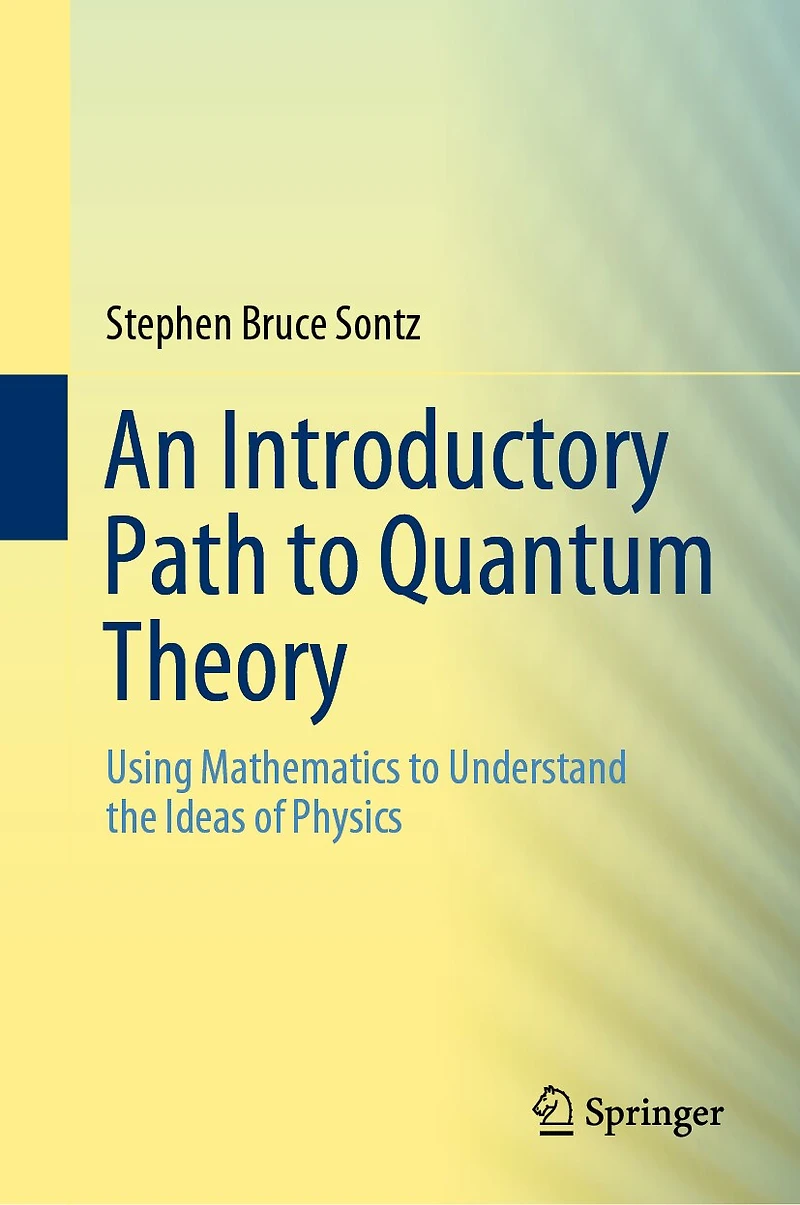
An Introductory Path to Quantum Theory: Using Mathematics Understand the Ideas of Physics in Grande Prairie, AB
Current price: $72.95
Coles
An Introductory Path to Quantum Theory: Using Mathematics Understand the Ideas of Physics in Grande Prairie, AB
Current price: $72.95
Loading Inventory...
Size: Hardcover
*Product information and pricing may vary - to confirm current pricing, availability, shipping, and return information please contact Coles. In the event of a pricing discrepancy, the retailer's price will apply.
Since the 17th century, physical theories have been expressed in the language of mathematical equations. This introduction to quantum theory uses that language to enable the reader to comprehend the notoriously non-intuitive ideas of quantum physics. The mathematical knowledge needed for using this book comes from standard undergraduate mathematics courses and is described in detail in the section Prerequisites. This text is especially aimed at advanced undergraduate and graduate students of mathematics, computer science, engineering and chemistry among other disciplines, provided they have the math background even though lacking preparation in physics. In fact, no previous formal study of physics is assumed.
Since the 17th century, physical theories have been expressed in the language of mathematical equations. This introduction to quantum theory uses that language to enable the reader to comprehend the notoriously non-intuitive ideas of quantum physics. The mathematical knowledge needed for using this book comes from standard undergraduate mathematics courses and is described in detail in the section Prerequisites. This text is especially aimed at advanced undergraduate and graduate students of mathematics, computer science, engineering and chemistry among other disciplines, provided they have the math background even though lacking preparation in physics. In fact, no previous formal study of physics is assumed.
You May Also Like














Find at Prairie Mall in Grande Prairie, AB
Visit at Prairie Mall in Grande Prairie, AB