


Gifting Made Simple
Give the Gift of ChoiceClick below to purchase a Prairie Mall eGift Card that can be used at participating retailers at Prairie Mall.Buy Gift CardHome
An Indonesian History: Personalized Politics in Makassar and South Sulawesi, c.1600-2018
Coles
Loading Inventory...
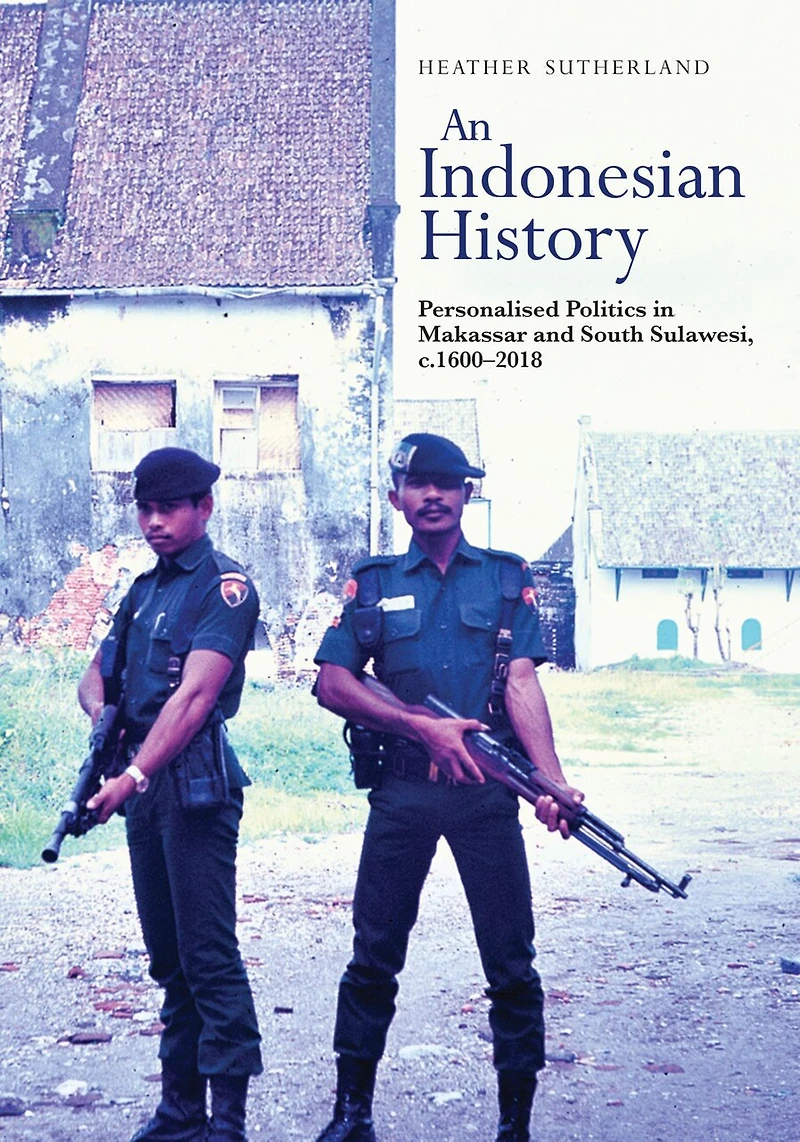
An Indonesian History: Personalized Politics in Makassar and South Sulawesi, c.1600-2018 in Grande Prairie, AB
Current price: $59.95
Coles
An Indonesian History: Personalized Politics in Makassar and South Sulawesi, c.1600-2018 in Grande Prairie, AB
Current price: $59.95
Loading Inventory...
Size: Paperback
*Product information and pricing may vary - to confirm current pricing, availability, shipping, and return information please contact Coles. In the event of a pricing discrepancy, the retailer's price will apply.
A history of regionalism in Indonesia.
Indonesia, the world’s fourth most populous country, is a vast archipelago with a relatively short history of unified rule. The devolution of power to the provinces after 1998 has meant that regional social traditions and historical legacies are powerful forces in contemporary politics. South Sulawesi (Southwest Celebes), a crucial and understudied region of Indonesia, is no exception.
Starting in 1669, tensions between the Dutch East India Company’s cosmopolitan port town of Makassar and the aggressive, competitive dynasties of the interior began to shape peninsula politics. A strong ethnic Chinese community embodied the town’s wide horizons, while in the countryside, the nobility’s engagement with Islam ranged from symbiotic co-optation to hostility. Religion, rather than politics, framed the main challenges to authority. Finally integrated in 1965, the city and province remain among the most clientelist in the country, their politics personalized and transactional. Nevertheless, the large city of Makassar is booming. Dutch indirect rule and neocolonial strategies entrenched the power of local elites, who resisted changes imposed by Batavia or, after 1950, by Jakarta.
In this history, Heather Sutherland’s long-term perspective avoids dichotomies like continuity and change or autonomy and dependence, recognizing that trade-offs have always been fundamental to interaction within and between town and country and between the province and distant capitals.
A history of regionalism in Indonesia.
Indonesia, the world’s fourth most populous country, is a vast archipelago with a relatively short history of unified rule. The devolution of power to the provinces after 1998 has meant that regional social traditions and historical legacies are powerful forces in contemporary politics. South Sulawesi (Southwest Celebes), a crucial and understudied region of Indonesia, is no exception.
Starting in 1669, tensions between the Dutch East India Company’s cosmopolitan port town of Makassar and the aggressive, competitive dynasties of the interior began to shape peninsula politics. A strong ethnic Chinese community embodied the town’s wide horizons, while in the countryside, the nobility’s engagement with Islam ranged from symbiotic co-optation to hostility. Religion, rather than politics, framed the main challenges to authority. Finally integrated in 1965, the city and province remain among the most clientelist in the country, their politics personalized and transactional. Nevertheless, the large city of Makassar is booming. Dutch indirect rule and neocolonial strategies entrenched the power of local elites, who resisted changes imposed by Batavia or, after 1950, by Jakarta.
In this history, Heather Sutherland’s long-term perspective avoids dichotomies like continuity and change or autonomy and dependence, recognizing that trade-offs have always been fundamental to interaction within and between town and country and between the province and distant capitals.
You May Also Like


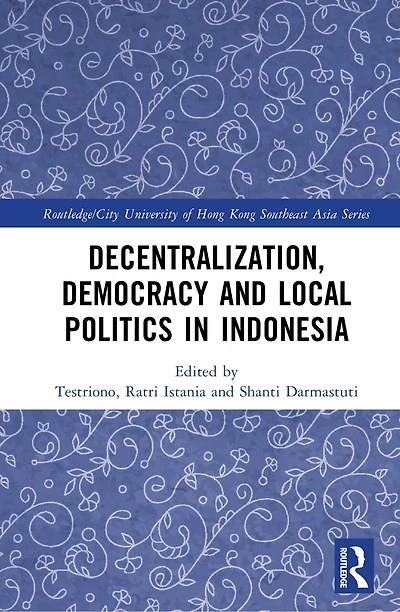

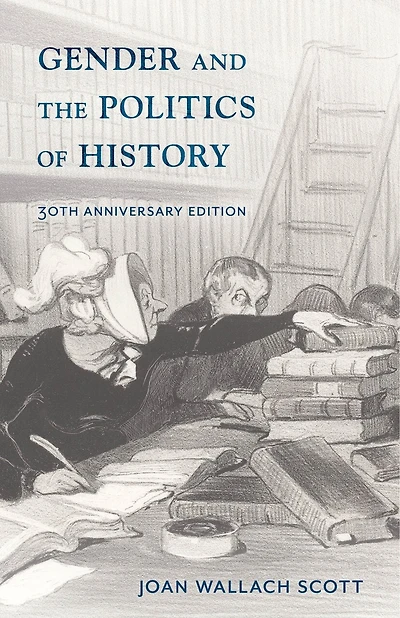










Find at Prairie Mall in Grande Prairie, AB
Visit at Prairie Mall in Grande Prairie, AB