


Gifting Made Simple
Give the Gift of ChoiceClick below to purchase a Prairie Mall eGift Card that can be used at participating retailers at Prairie Mall.Buy Gift CardHome
An Ethos of Transdisciplinarity: Conversations with Toyin Falola
Coles
Loading Inventory...
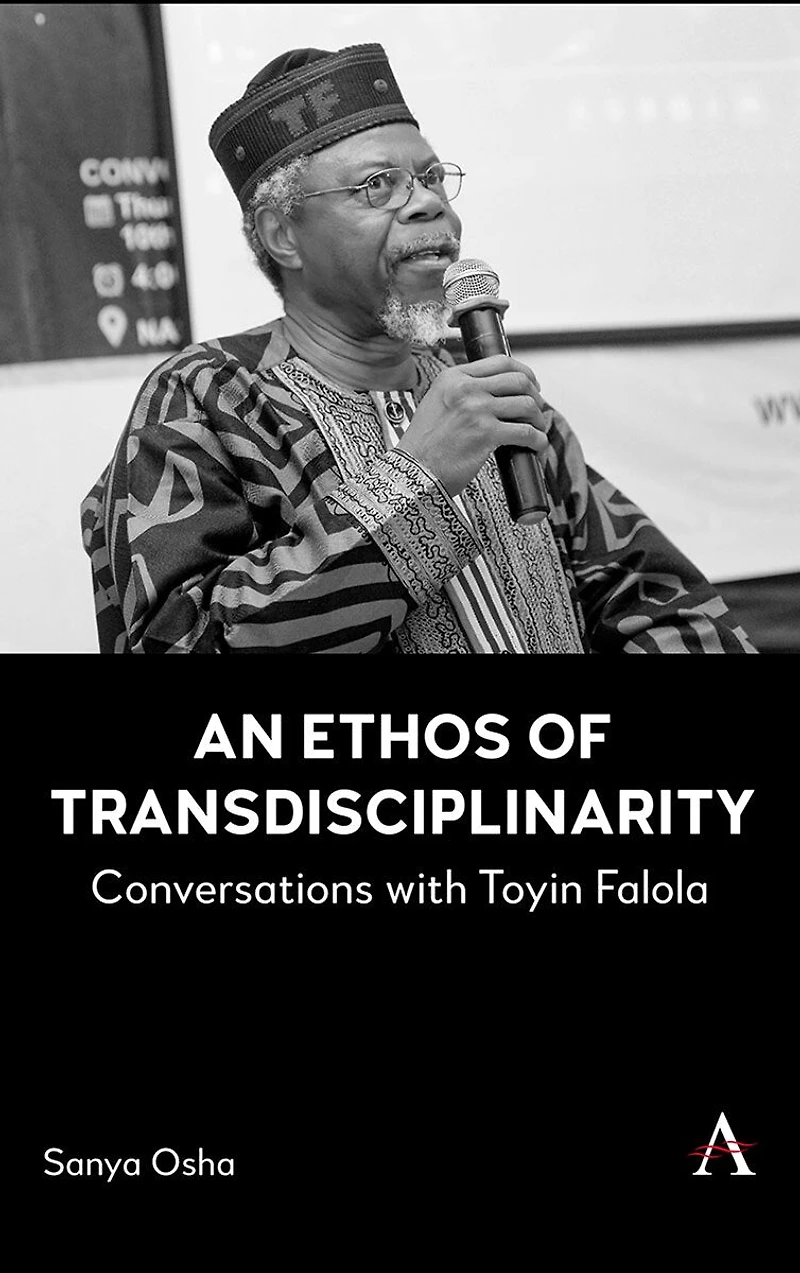
An Ethos of Transdisciplinarity: Conversations with Toyin Falola in Grande Prairie, AB
Current price: $142.89
Coles
An Ethos of Transdisciplinarity: Conversations with Toyin Falola in Grande Prairie, AB
Current price: $142.89
Loading Inventory...
Size: Hardcover
*Product information and pricing may vary - to confirm current pricing, availability, shipping, and return information please contact Coles. In the event of a pricing discrepancy, the retailer's price will apply.
Toyin Falola’s astounding intellectual production must be one of the mysteries in the intellectual world. It has transcended the confined world of historical research into broader horizons that include the role of the public intellectual. The present study would undertake a rigorous analysis of the origins, continuities and discontinuities of this transformation. This means we have to recast the debates regarding who is a public intellectual from a multiplicity of discursive situations and historical and cultural contexts. We have to employ methodological parallels from North Atlantic intellectual traditions. How did the role of the public intellectual emerge in the first place in world intellectual history? Addressing this question would enrich this research endeavour immensely.
In interrogating comparative discursive formations, we shall re-evaluate the roles, functions and achievements of continental intellectuals such as Betrand Russell, Jean-Paul Sartre, Andre Malraux, Albert Camus, Michel Foucault, Edward Said, Wole Soyinka and Pierre Bourdieu. Again, this discursive element will give this study a global appeal and range.
Toyin Falola’s astounding intellectual production must be one of the mysteries in the intellectual world. It has transcended the confined world of historical research into broader horizons that include the role of the public intellectual. The present study would undertake a rigorous analysis of the origins, continuities and discontinuities of this transformation. This means we have to recast the debates regarding who is a public intellectual from a multiplicity of discursive situations and historical and cultural contexts. We have to employ methodological parallels from North Atlantic intellectual traditions. How did the role of the public intellectual emerge in the first place in world intellectual history? Addressing this question would enrich this research endeavour immensely.
In interrogating comparative discursive formations, we shall re-evaluate the roles, functions and achievements of continental intellectuals such as Betrand Russell, Jean-Paul Sartre, Andre Malraux, Albert Camus, Michel Foucault, Edward Said, Wole Soyinka and Pierre Bourdieu. Again, this discursive element will give this study a global appeal and range.
You May Also Like











Find at Prairie Mall in Grande Prairie, AB
Visit at Prairie Mall in Grande Prairie, AB