


Gifting Made Simple
Give the Gift of ChoiceClick below to purchase a Prairie Mall eGift Card that can be used at participating retailers at Prairie Mall.Buy Gift CardHome
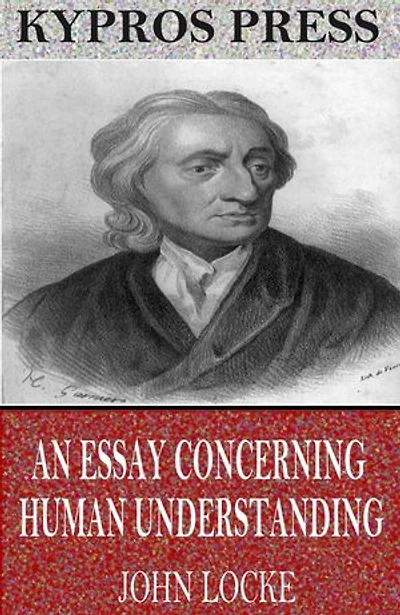
An Essay Concerning Human Understanding
Coles
Loading Inventory...
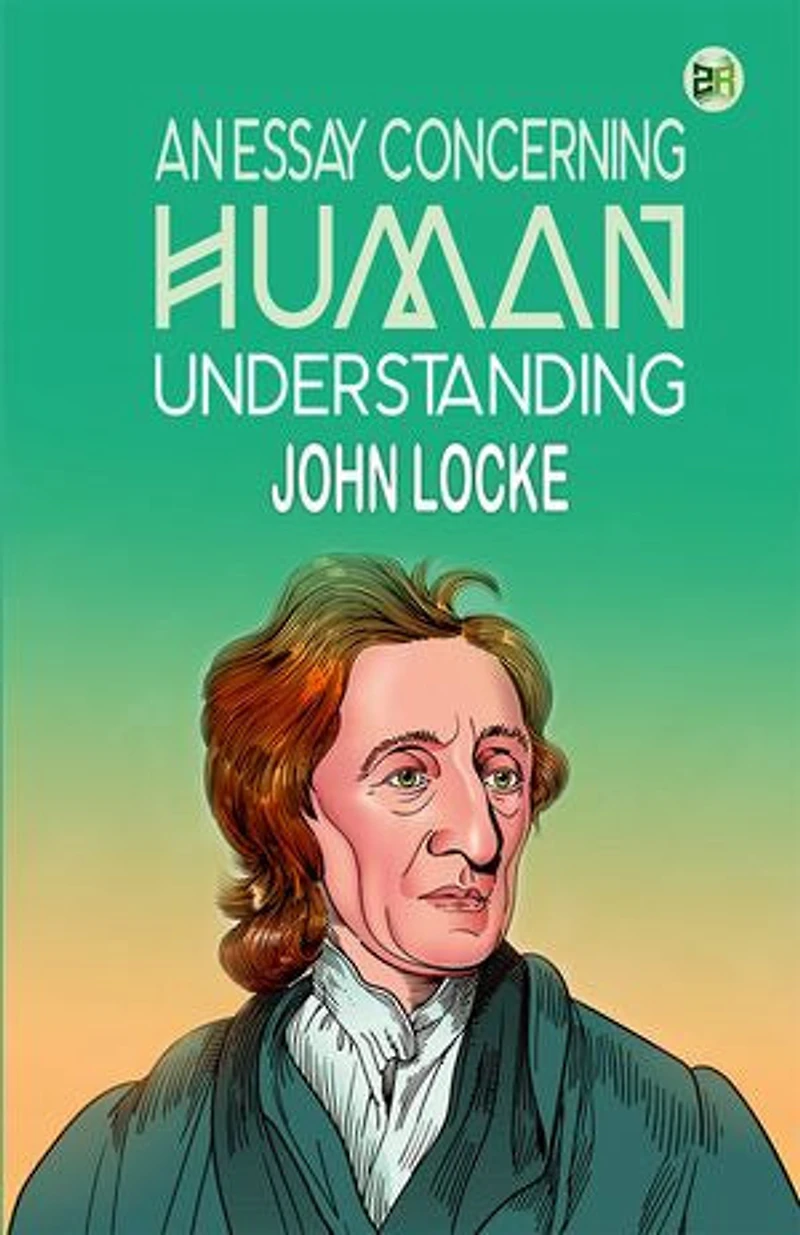
An Essay Concerning Human Understanding in Grande Prairie, AB
Current price: $1.32
Coles
An Essay Concerning Human Understanding in Grande Prairie, AB
Current price: $1.32
Loading Inventory...
Size: Kobo eBook
*Product information and pricing may vary - to confirm current pricing, availability, shipping, and return information please contact Coles. In the event of a pricing discrepancy, the retailer's price will apply.
Key themes and ideas explored in "An Essay Concerning Human Understanding" include:Empiricism: Locke is often regarded as one of the primary proponents of empiricism, a philosophical stance that emphasizes the role of experience and sensory perception as the sources of human knowledge. He argues that all human ideas and knowledge are ultimately derived from experience.Tabula Rasa: Locke introduces the concept of "tabula rasa," which translates to "blank slate" in Latin. According to this notion, the human mind is born as a blank slate, devoid of innate ideas or preconceived knowledge. Knowledge is then acquired through sensory experience and reflection on those experiences.Primary and Secondary Qualities: Locke distinguishes between primary qualities (such as size, shape, and motion) and secondary qualities (such as color, taste, and sound). Primary qualities exist in the external world and are inseparable from the objects themselves, while secondary qualities are dependent on the perception of the observer.Substance and Identity: Locke discusses the concepts of substance and personal identity. He explores how we form the idea of substance, which refers to the underlying reality that supports the qualities of objects. Additionally, Locke discusses the continuity of personal identity over time and the criteria for the persistence of the self.
Key themes and ideas explored in "An Essay Concerning Human Understanding" include:Empiricism: Locke is often regarded as one of the primary proponents of empiricism, a philosophical stance that emphasizes the role of experience and sensory perception as the sources of human knowledge. He argues that all human ideas and knowledge are ultimately derived from experience.Tabula Rasa: Locke introduces the concept of "tabula rasa," which translates to "blank slate" in Latin. According to this notion, the human mind is born as a blank slate, devoid of innate ideas or preconceived knowledge. Knowledge is then acquired through sensory experience and reflection on those experiences.Primary and Secondary Qualities: Locke distinguishes between primary qualities (such as size, shape, and motion) and secondary qualities (such as color, taste, and sound). Primary qualities exist in the external world and are inseparable from the objects themselves, while secondary qualities are dependent on the perception of the observer.Substance and Identity: Locke discusses the concepts of substance and personal identity. He explores how we form the idea of substance, which refers to the underlying reality that supports the qualities of objects. Additionally, Locke discusses the continuity of personal identity over time and the criteria for the persistence of the self.
You May Also Like

![An Essay Concerning Human Understanding. to Which Are Now Added, I. Analysis of Mr. Locke's Doctrine of Ideas [&c., Incl. Some] Extr. From the Author's Works](https://cdn.mall.adeptmind.ai/https%253A%252F%252Fcdn.shopify.com%252Fs%252Ffiles%252F1%252F0655%252F8980%252F5233%252Ffiles%252F1_f503dba0-6629-40eb-abfe-94070b812d9b.jpg_medium.webp)








Find at Prairie Mall in Grande Prairie, AB
Visit at Prairie Mall in Grande Prairie, AB