


Gifting Made Simple
Give the Gift of ChoiceClick below to purchase a Prairie Mall eGift Card that can be used at participating retailers at Prairie Mall.Buy Gift CardHome
An Element of Hope: Radium and the Response to Cancer in Canada, 1900-1940
Coles
Loading Inventory...
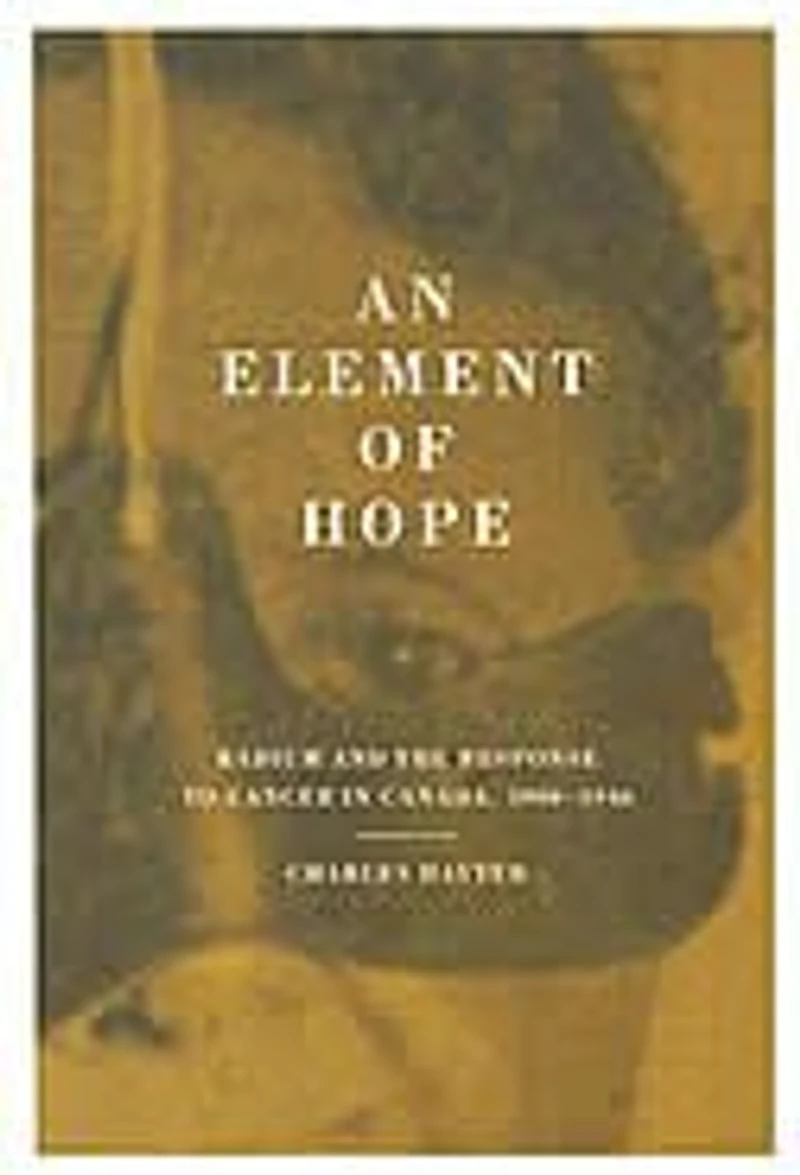
An Element of Hope: Radium and the Response to Cancer in Canada, 1900-1940 in Grande Prairie, AB
Current price: $125.00
Coles
An Element of Hope: Radium and the Response to Cancer in Canada, 1900-1940 in Grande Prairie, AB
Current price: $125.00
Loading Inventory...
Size: Hardcover
*Product information and pricing may vary - to confirm current pricing, availability, shipping, and return information please contact Coles. In the event of a pricing discrepancy, the retailer's price will apply.
Cancer is now the leading cause of death in Canada, yet many recent studies have drawn attention to problems in cancer control, such as long waiting times for treatment, inequitable access to care, and variations in treatment. An Element of Hope traces the early development of cancer programs in Canada from the discovery of radium in 1898 to the end of World War II. During this period radium emerged as a promising new therapy and governments sought to mount a societal response to cancer.
Charles Hayter chronicles the work of Canadian provinces in establishing the cancer programs that remain the framework for modern systems. Focusing on the compromises these programs required, which anticipated later conflicts over Medicare, Hayter concludes by revealing the historical roots of current problems in cancer care.
Cancer is now the leading cause of death in Canada, yet many recent studies have drawn attention to problems in cancer control, such as long waiting times for treatment, inequitable access to care, and variations in treatment. An Element of Hope traces the early development of cancer programs in Canada from the discovery of radium in 1898 to the end of World War II. During this period radium emerged as a promising new therapy and governments sought to mount a societal response to cancer.
Charles Hayter chronicles the work of Canadian provinces in establishing the cancer programs that remain the framework for modern systems. Focusing on the compromises these programs required, which anticipated later conflicts over Medicare, Hayter concludes by revealing the historical roots of current problems in cancer care.
You May Also Like
















Find at Prairie Mall in Grande Prairie, AB
Visit at Prairie Mall in Grande Prairie, AB