


Gifting Made Simple
Give the Gift of ChoiceClick below to purchase a Prairie Mall eGift Card that can be used at participating retailers at Prairie Mall.Buy Gift CardHome
An Agnostic Defends God: How Science and Philosophy Support Agnosticism
Coles
Loading Inventory...
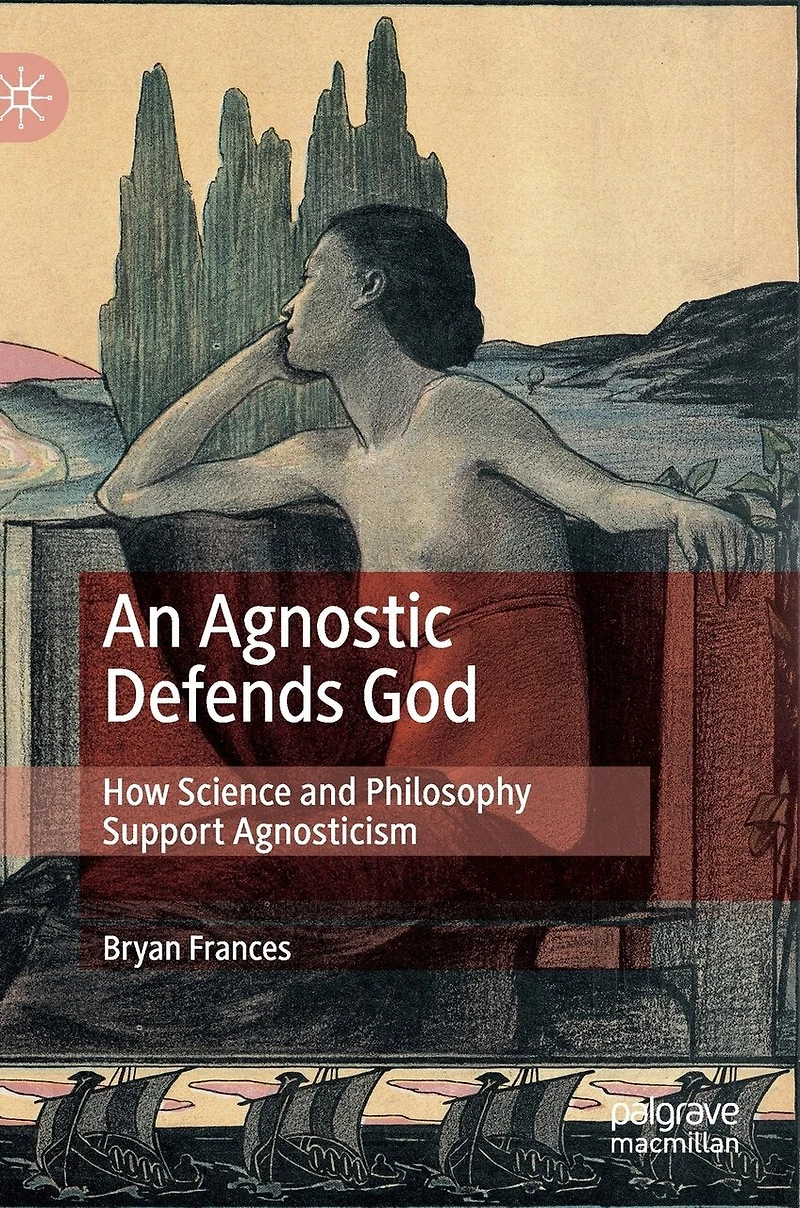
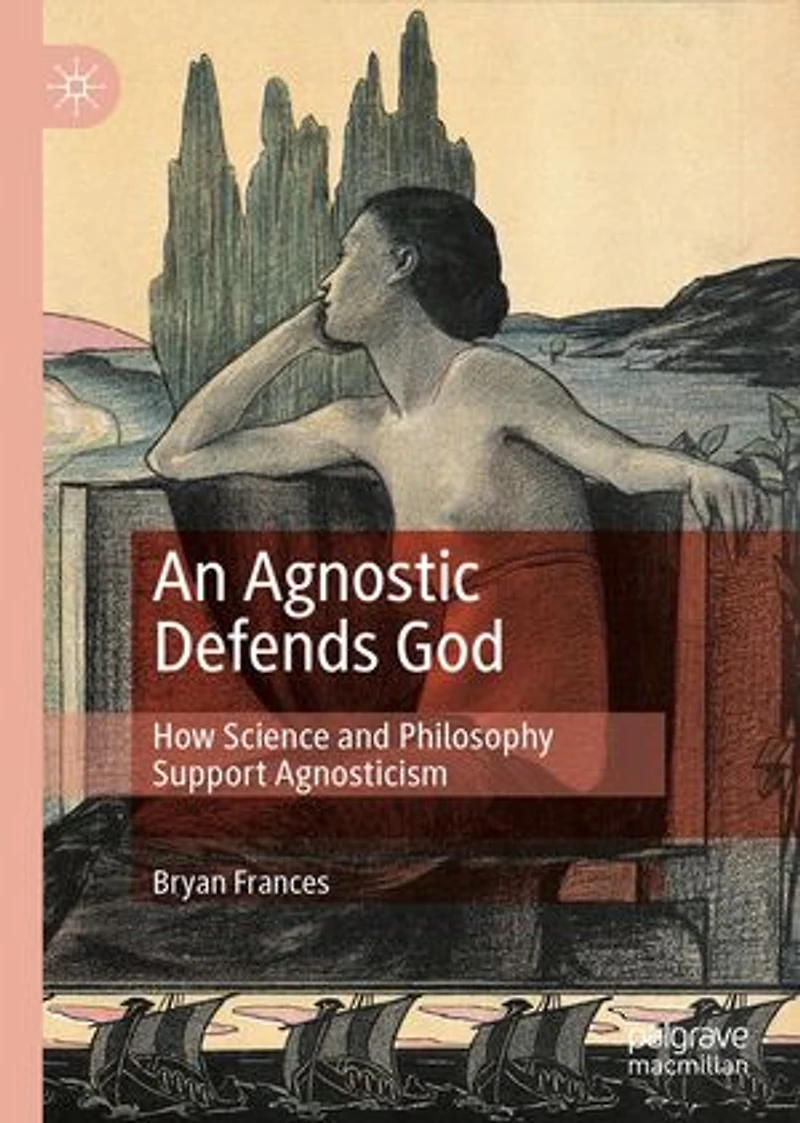
An Agnostic Defends God: How Science and Philosophy Support Agnosticism in Grande Prairie, AB
Current price: $160.95
Coles
An Agnostic Defends God: How Science and Philosophy Support Agnosticism in Grande Prairie, AB
Current price: $160.95
Loading Inventory...
Size: Hardcover
*Product information and pricing may vary - to confirm current pricing, availability, shipping, and return information please contact Coles. In the event of a pricing discrepancy, the retailer's price will apply.
This book contains a unique perspective: that of a scientifically and philosophically educated agnostic who thinks there is impressive-if maddeningly hidden-evidence for the existence of God. Science and philosophy may have revealed the poverty of the familiar sources of evidence, but they generate their own partial defense of theism. Bryan Frances, a philosopher with a graduate degree in physics, judges the standard evidence for God's existence to be awful. And yet, like many others with similar scientific and philosophical backgrounds, he argues that the usual reasons for atheism, such as the existence of suffering and success of science, are weak. In this book you will learn why so many people with scientific and philosophical credentials are agnostics (rather than atheists) despite judging all the usual evidence for theism to be fatally flawed.
This book contains a unique perspective: that of a scientifically and philosophically educated agnostic who thinks there is impressive-if maddeningly hidden-evidence for the existence of God. Science and philosophy may have revealed the poverty of the familiar sources of evidence, but they generate their own partial defense of theism. Bryan Frances, a philosopher with a graduate degree in physics, judges the standard evidence for God's existence to be awful. And yet, like many others with similar scientific and philosophical backgrounds, he argues that the usual reasons for atheism, such as the existence of suffering and success of science, are weak. In this book you will learn why so many people with scientific and philosophical credentials are agnostics (rather than atheists) despite judging all the usual evidence for theism to be fatally flawed.
You May Also Like














Find at Prairie Mall in Grande Prairie, AB
Visit at Prairie Mall in Grande Prairie, AB