


Gifting Made Simple
Give the Gift of ChoiceClick below to purchase a Prairie Mall eGift Card that can be used at participating retailers at Prairie Mall.Buy Gift CardHome
Amnesty in Brazil: Recompense after Repression, 1895-2010
Coles
Loading Inventory...
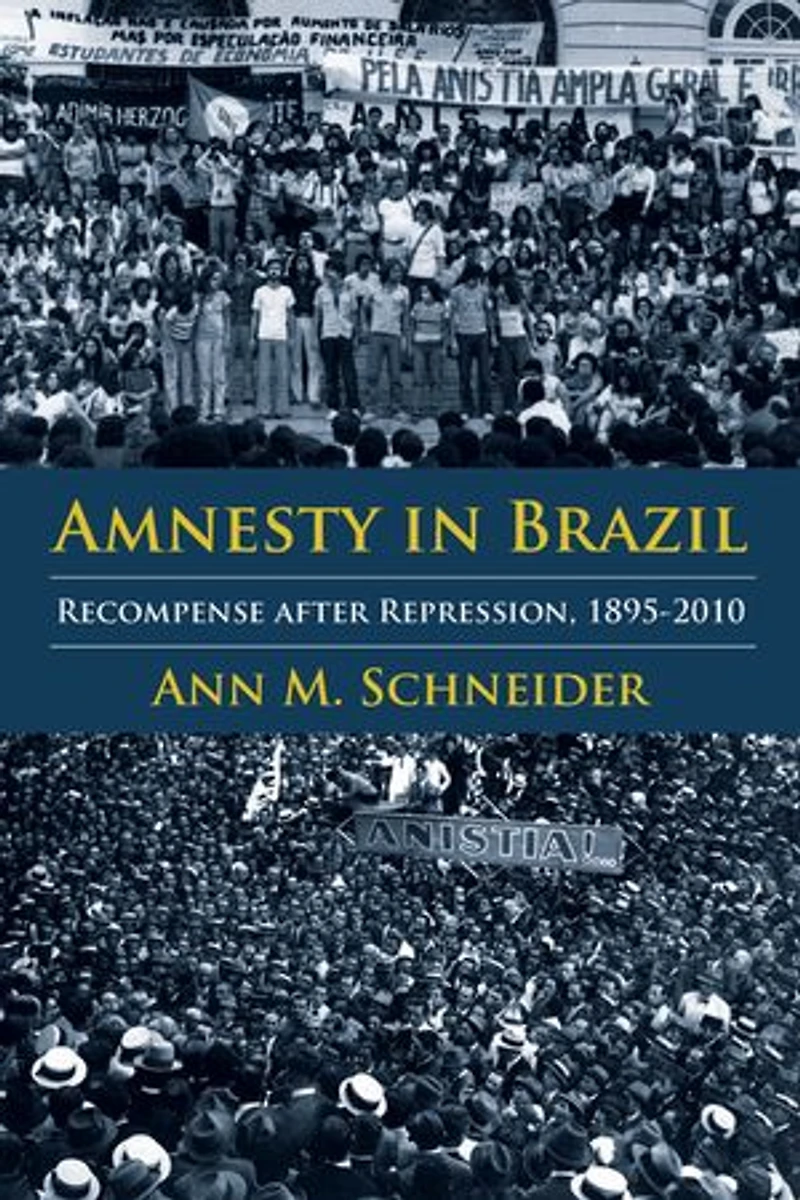
Amnesty in Brazil: Recompense after Repression, 1895-2010 in Grande Prairie, AB
Current price: $67.99
Original price: $84.99
Coles
Amnesty in Brazil: Recompense after Repression, 1895-2010 in Grande Prairie, AB
Current price: $67.99
Original price: $84.99
Loading Inventory...
Size: Kobo eBook
*Product information and pricing may vary - to confirm current pricing, availability, shipping, and return information please contact Coles. In the event of a pricing discrepancy, the retailer's price will apply.
In 1895, forty-seven rebel military officers contested the terms of a law that granted them amnesty but blocked their immediate return to the armed forces. During the century that followed, numerous other Brazilians who similarly faced repercussions for political opposition or outright rebellion subsequently made claims to forms of recompense through amnesty. By 2010, tens of thousands of Brazilians had sought reparations, referred to as amnesty, for repression suffered during the Cold War–era dictatorship. This book examines the evolution of amnesty in Brazil and describes when and how it functioned as an institution synonymous with restitution. Ann M. Schneider is concerned with the politics of conciliation and reflects on this history of Brazil in the context of broader debates about transitional justice. She argues that the adjudication of entitlements granted in amnesty laws marked points of intersection between prevailing and profoundly conservative politics with moments and trends that galvanized the demand for and the expansion of rights, showing that amnesty in Brazil has been both surprisingly democratizing and yet stubbornly undemocratic.
In 1895, forty-seven rebel military officers contested the terms of a law that granted them amnesty but blocked their immediate return to the armed forces. During the century that followed, numerous other Brazilians who similarly faced repercussions for political opposition or outright rebellion subsequently made claims to forms of recompense through amnesty. By 2010, tens of thousands of Brazilians had sought reparations, referred to as amnesty, for repression suffered during the Cold War–era dictatorship. This book examines the evolution of amnesty in Brazil and describes when and how it functioned as an institution synonymous with restitution. Ann M. Schneider is concerned with the politics of conciliation and reflects on this history of Brazil in the context of broader debates about transitional justice. She argues that the adjudication of entitlements granted in amnesty laws marked points of intersection between prevailing and profoundly conservative politics with moments and trends that galvanized the demand for and the expansion of rights, showing that amnesty in Brazil has been both surprisingly democratizing and yet stubbornly undemocratic.
You May Also Like











Find at Prairie Mall in Grande Prairie, AB
Visit at Prairie Mall in Grande Prairie, AB