


Gifting Made Simple
Give the Gift of ChoiceClick below to purchase a Prairie Mall eGift Card that can be used at participating retailers at Prairie Mall.Buy Gift CardHome
Aminoglycoside Antibiotics
Coles
Loading Inventory...
Aminoglycoside Antibiotics
By None
Current price: $160.95
Coles
Aminoglycoside Antibiotics
By None
Current price: $160.95
Loading Inventory...
Size: Paperback
*Product information and pricing may vary - to confirm current pricing, availability, shipping, and return information please contact Coles. In the event of a pricing discrepancy, the retailer's price will apply.
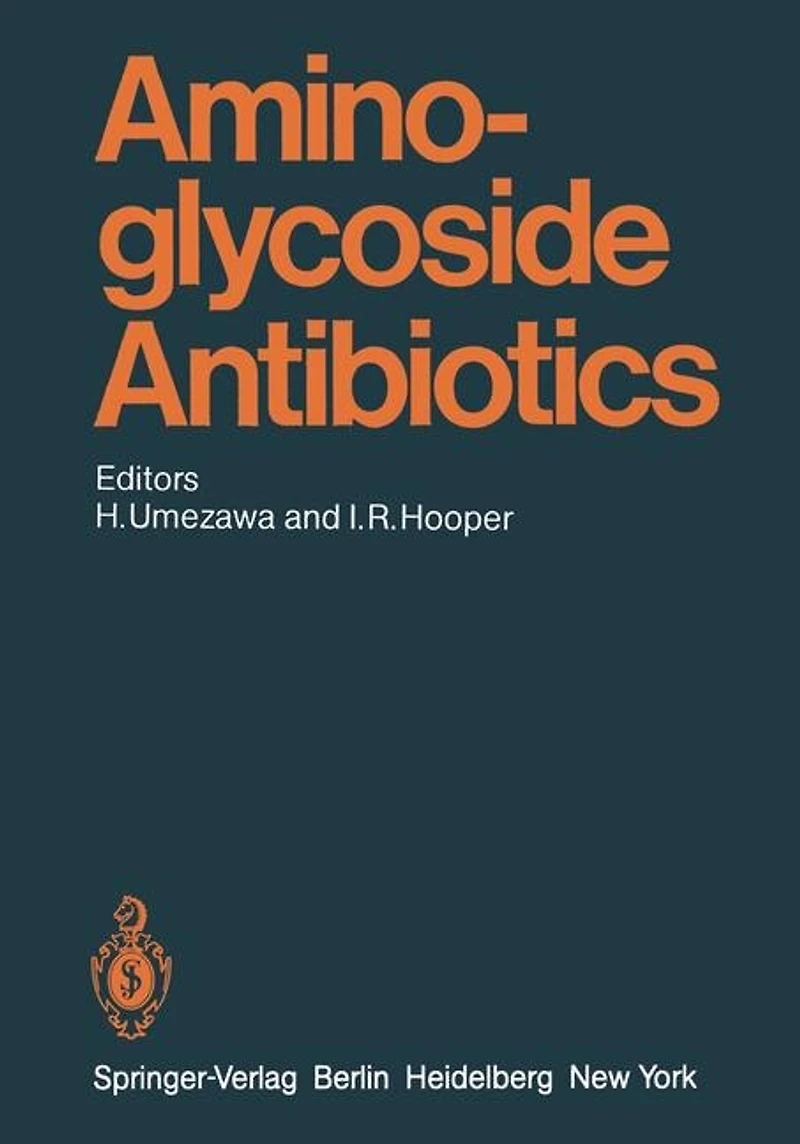
The first useful antibiotic found by screening was streptomycin. The late Prof. WAKSMAN started screening for antibacterial antibiotics in 1940 and, after finding actinomycin in 1941, he and his collaborators discovered streptomycin in 1944. This antibiotic made a great contribution in saving human lives from tuberculosis and acute serious infections. About 1957, after wide usage of such antibiotics as penicillin, streptomycin, chloramphenicol, tetracycline, and erythromycin, staphy lococci and Gram negative organisms resistant to all or most antibiotic drugs ap peared in hospital patients. The origin and treatment of such resistant strains be came a major topic of investigation. At that time, kanamycin was discovered and used in the treatment of resistant infections. It may be said that the appearance of resistant strains stimulated a resurgence of research on new antibacterial antibiot ics and their derivatives. In 1965, kanamycin-resistant strains were found in hospital patients and, undertaking the study of the mechanisms of resistance, I found that resistant strains produce intracellular enzymes that can transfer either the terminal phos phate of ATP or the acetate of acetyl-CoA to the 3' -hydroxyl or the 6' -amino group of 2-deoxystreptamine
The first useful antibiotic found by screening was streptomycin. The late Prof. WAKSMAN started screening for antibacterial antibiotics in 1940 and, after finding actinomycin in 1941, he and his collaborators discovered streptomycin in 1944. This antibiotic made a great contribution in saving human lives from tuberculosis and acute serious infections. About 1957, after wide usage of such antibiotics as penicillin, streptomycin, chloramphenicol, tetracycline, and erythromycin, staphy lococci and Gram negative organisms resistant to all or most antibiotic drugs ap peared in hospital patients. The origin and treatment of such resistant strains be came a major topic of investigation. At that time, kanamycin was discovered and used in the treatment of resistant infections. It may be said that the appearance of resistant strains stimulated a resurgence of research on new antibacterial antibiot ics and their derivatives. In 1965, kanamycin-resistant strains were found in hospital patients and, undertaking the study of the mechanisms of resistance, I found that resistant strains produce intracellular enzymes that can transfer either the terminal phos phate of ATP or the acetate of acetyl-CoA to the 3' -hydroxyl or the 6' -amino group of 2-deoxystreptamine
You May Also Like









More About Coles at Prairie Mall
11801 100 St #104, Grande Prairie, AB T8V 3Y2, Canada
Find Coles at Prairie Mall in Grande Prairie, AB
Visit Coles at Prairie Mall in Grande Prairie, AB