


Gifting Made Simple
Give the Gift of ChoiceClick below to purchase a Prairie Mall eGift Card that can be used at participating retailers at Prairie Mall.Buy Gift CardHome
America's Early Montessorians: Anne George, Margaret Naumburg, Helen Parkhurst And Adelia Pyle
Coles
Loading Inventory...
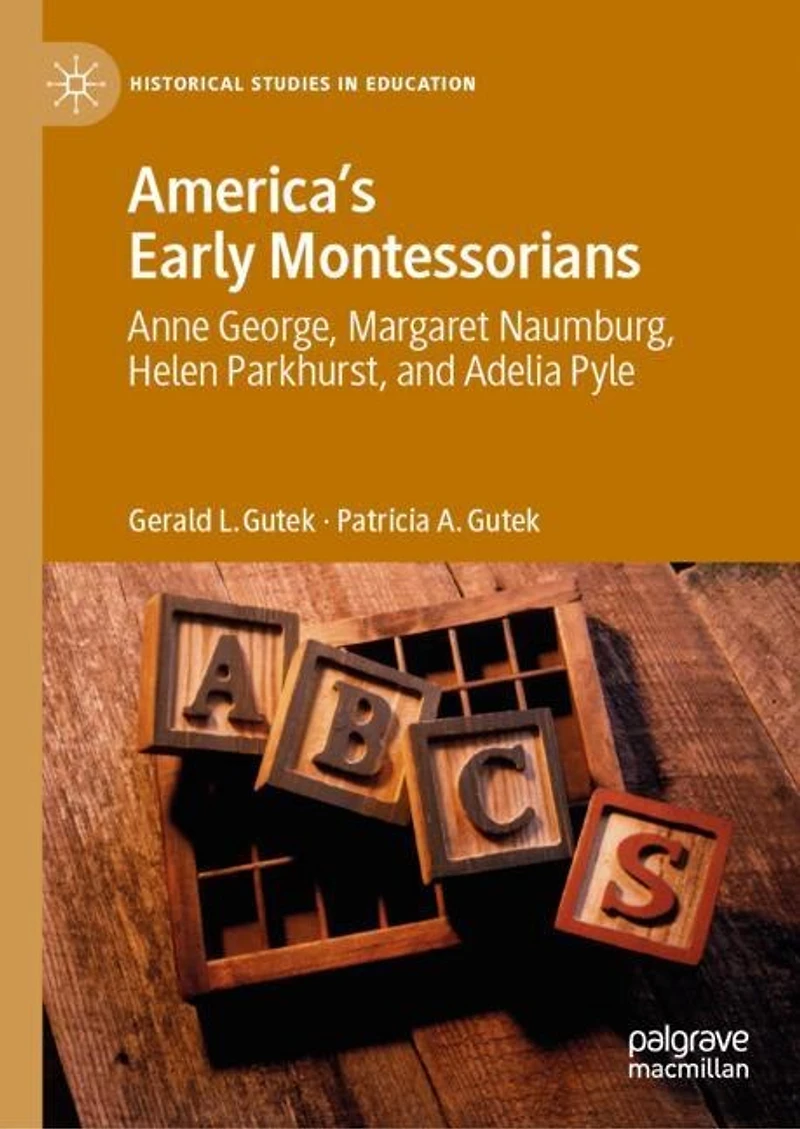
America's Early Montessorians: Anne George, Margaret Naumburg, Helen Parkhurst And Adelia Pyle
By None
Current price: $233.95
Coles
America's Early Montessorians: Anne George, Margaret Naumburg, Helen Parkhurst And Adelia Pyle
By None
Current price: $233.95
Loading Inventory...
Size: Hardcover
*Product information and pricing may vary - to confirm current pricing, availability, shipping, and return information please contact Coles. In the event of a pricing discrepancy, the retailer's price will apply.
This book traces the early history of the Montessori movement in the United States through the lives and careers of four key American women: Anne George, Margaret Naumburg, Helen Parkhurst, and Adelia Pyle. Caught up in the Montessori craze sweeping the United States in the Progressive era, each played a significant role in the initial transference of Montessori education to America and its implementation from 1910 to 1920. Despite the continuing international recognition of Maria Montessori and the presence of Montessori schools world-wide, Montessori receives only cursory mention in the history of education, especially by recognized historians in the field and in courses in professional education and teacher preparation. The authors, in seeking to fill this historical void, integrate institutional history with analysis of the interplay and tensions between these four women to tell this educational story in an interesting-and often dramatic-way.
This book traces the early history of the Montessori movement in the United States through the lives and careers of four key American women: Anne George, Margaret Naumburg, Helen Parkhurst, and Adelia Pyle. Caught up in the Montessori craze sweeping the United States in the Progressive era, each played a significant role in the initial transference of Montessori education to America and its implementation from 1910 to 1920. Despite the continuing international recognition of Maria Montessori and the presence of Montessori schools world-wide, Montessori receives only cursory mention in the history of education, especially by recognized historians in the field and in courses in professional education and teacher preparation. The authors, in seeking to fill this historical void, integrate institutional history with analysis of the interplay and tensions between these four women to tell this educational story in an interesting-and often dramatic-way.
You May Also Like









More About Coles at Prairie Mall
11801 100 St #104, Grande Prairie, AB T8V 3Y2, Canada
Find Coles at Prairie Mall in Grande Prairie, AB
Visit Coles at Prairie Mall in Grande Prairie, AB