


Gifting Made Simple
Give the Gift of ChoiceClick below to purchase a Prairie Mall eGift Card that can be used at participating retailers at Prairie Mall.Buy Gift CardHome
American Tuna: The Rise and Fall of an Improbable Food
Coles
Loading Inventory...
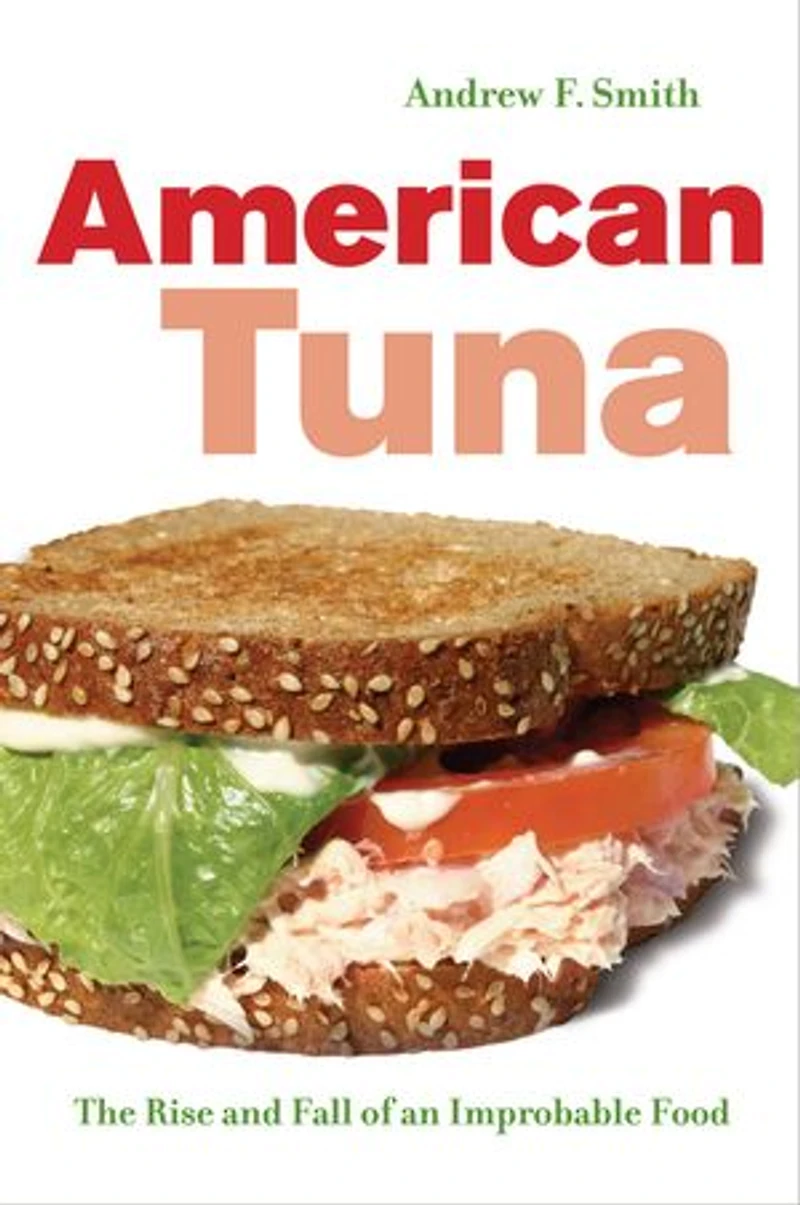
American Tuna: The Rise and Fall of an Improbable Food in Grande Prairie, AB
Current price: $37.99
Original price: $47.43
Coles
American Tuna: The Rise and Fall of an Improbable Food in Grande Prairie, AB
Current price: $37.99
Original price: $47.43
Loading Inventory...
Size: Kobo eBook
*Product information and pricing may vary - to confirm current pricing, availability, shipping, and return information please contact Coles. In the event of a pricing discrepancy, the retailer's price will apply.
In a lively account of the American tuna industry over the past century, celebrated food writer and scholar Andrew F. Smith relates how tuna went from being sold primarily as a fertilizer to becoming the most commonly consumed fish in the country. In American Tuna , the so-called "chicken of the sea" is both the subject and the backdrop for other facets of American history: U.S. foreign policy, immigration and environmental politics, and dietary trends.
Smith recounts how tuna became a popular low-cost high-protein food beginning in 1903, when the first can rolled off the assembly line. By 1918, skyrocketing sales made it one of America’s most popular seafoods. In the decades that followed, the American tuna industry employed thousands, yet at at mid-century production started to fade. Concerns about toxic levels of methylmercury, by-catch issues, and over-harvesting all contributed to the demise of the industry today, when only three major canned tuna brands exist in the United States, all foreign owned. A remarkable cast of characters— fishermen, advertisers, immigrants, epicures, and environmentalists, among many others—populate this fascinating chronicle of American tastes and the forces that influence them.
In a lively account of the American tuna industry over the past century, celebrated food writer and scholar Andrew F. Smith relates how tuna went from being sold primarily as a fertilizer to becoming the most commonly consumed fish in the country. In American Tuna , the so-called "chicken of the sea" is both the subject and the backdrop for other facets of American history: U.S. foreign policy, immigration and environmental politics, and dietary trends.
Smith recounts how tuna became a popular low-cost high-protein food beginning in 1903, when the first can rolled off the assembly line. By 1918, skyrocketing sales made it one of America’s most popular seafoods. In the decades that followed, the American tuna industry employed thousands, yet at at mid-century production started to fade. Concerns about toxic levels of methylmercury, by-catch issues, and over-harvesting all contributed to the demise of the industry today, when only three major canned tuna brands exist in the United States, all foreign owned. A remarkable cast of characters— fishermen, advertisers, immigrants, epicures, and environmentalists, among many others—populate this fascinating chronicle of American tastes and the forces that influence them.
You May Also Like


















Find at Prairie Mall in Grande Prairie, AB
Visit at Prairie Mall in Grande Prairie, AB