


Gifting Made Simple
Give the Gift of ChoiceClick below to purchase a Prairie Mall eGift Card that can be used at participating retailers at Prairie Mall.Buy Gift CardHome
American Quaker Resistance to War, 1917–1973: Law, Politics, and Conscience
Coles
Loading Inventory...
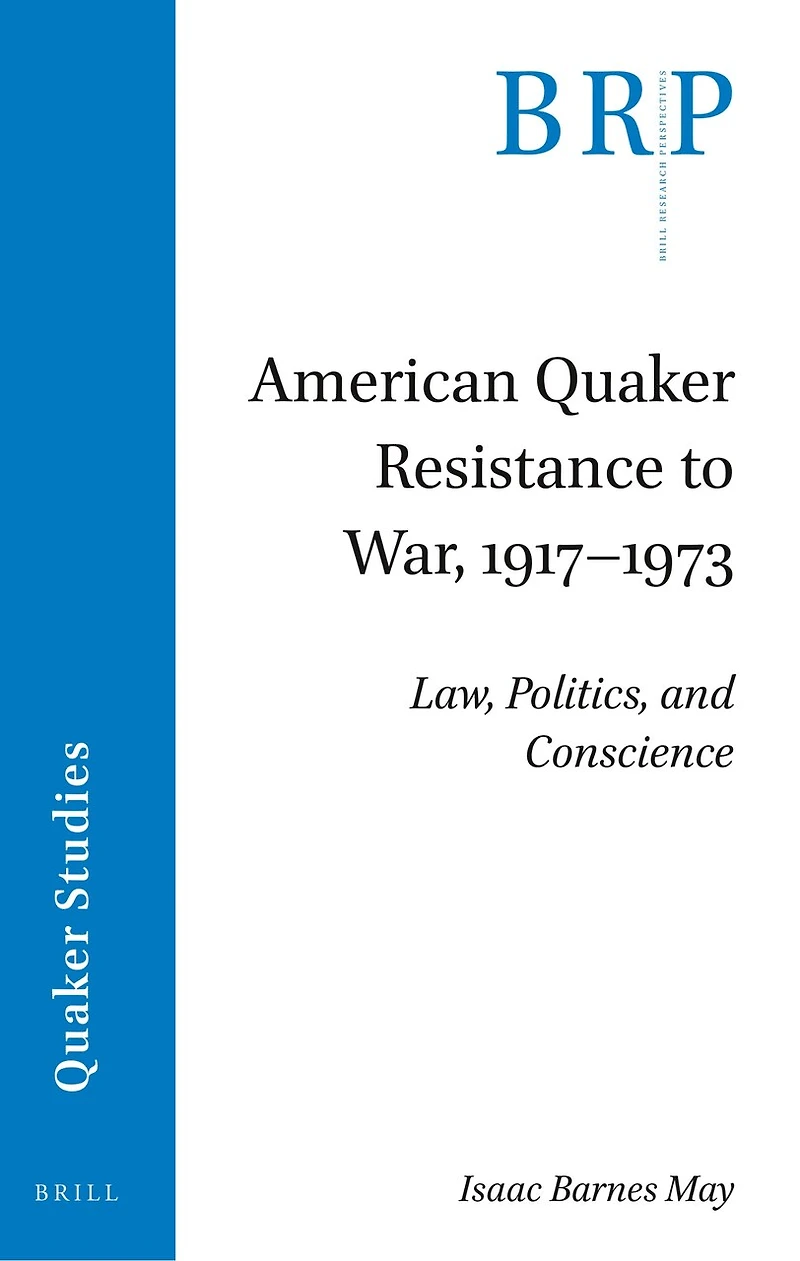
American Quaker Resistance to War, 1917–1973: Law, Politics, and Conscience in Grande Prairie, AB
Current price: $122.99
Coles
American Quaker Resistance to War, 1917–1973: Law, Politics, and Conscience in Grande Prairie, AB
Current price: $122.99
Loading Inventory...
Size: Paperback
*Product information and pricing may vary - to confirm current pricing, availability, shipping, and return information please contact Coles. In the event of a pricing discrepancy, the retailer's price will apply.
This historical survey of Quakers in the United States examines their responses to war during World War I, World War II, and the early Cold War, including the Korean and Vietnam conflicts, with particular focus on the social, political, legal, and theological aspects of the Quaker peace testimony. Quakers responded to these conflicts in a variety of ways, ranging from pacifism to support for military action. The boundaries and constraints of Quaker beliefs about violent conflict and the meaning of the peace testimony were determined by debates within the Religious Society of Friends. Isaac Barnes May asserts that Quakers’ reactions to war in the twentieth-century should also be understood as closely related to Quakerism’s relationship to state power. The choice to accommodate or resist government pressure worked alongside internal forces to shape Quakerism in the United States. Ultimately, May argues that there is no single pattern of Quaker response to modern war.
This historical survey of Quakers in the United States examines their responses to war during World War I, World War II, and the early Cold War, including the Korean and Vietnam conflicts, with particular focus on the social, political, legal, and theological aspects of the Quaker peace testimony. Quakers responded to these conflicts in a variety of ways, ranging from pacifism to support for military action. The boundaries and constraints of Quaker beliefs about violent conflict and the meaning of the peace testimony were determined by debates within the Religious Society of Friends. Isaac Barnes May asserts that Quakers’ reactions to war in the twentieth-century should also be understood as closely related to Quakerism’s relationship to state power. The choice to accommodate or resist government pressure worked alongside internal forces to shape Quakerism in the United States. Ultimately, May argues that there is no single pattern of Quaker response to modern war.
You May Also Like








Find at Prairie Mall in Grande Prairie, AB
Visit at Prairie Mall in Grande Prairie, AB