


Gifting Made Simple
Give the Gift of ChoiceClick below to purchase a Prairie Mall eGift Card that can be used at participating retailers at Prairie Mall.Buy Gift CardHome
American Imperialism: Power, Institutions and the Architecture of Control
Coles
Loading Inventory...
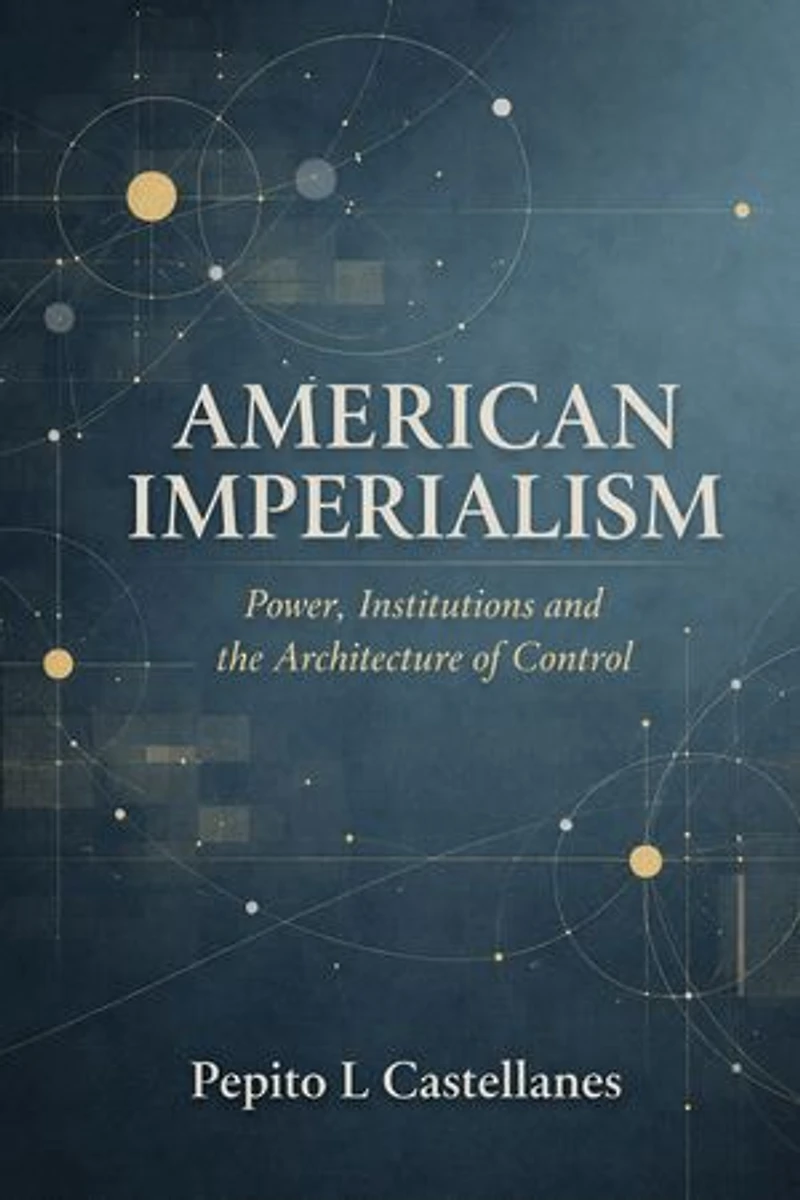
American Imperialism: Power, Institutions and the Architecture of Control in Grande Prairie, AB
Current price: $6.00
Coles
American Imperialism: Power, Institutions and the Architecture of Control in Grande Prairie, AB
Current price: $6.00
Loading Inventory...
Size: Kobo eBook
*Product information and pricing may vary - to confirm current pricing, availability, shipping, and return information please contact Coles. In the event of a pricing discrepancy, the retailer's price will apply.
This book brings out the reality that there is an American Empire. It does not argue about whether American imperialism is right or wrong. Instead, it looks at how power really works.
American Imperialism is treated as a system, not just a series of wars or political debates. The book explains how military strength turns into lasting rules, government systems, economic dependence and even everyday habits and beliefs. This helps show how control can last long after fighting stops, often without obvious force.
Each chapter breaks down the ways imperial power stays in place. It shows how victories lead to control over laws and administration, how legal systems keep people in line, how government institutions manage and calm populations and how accountability can sometimes protect those in power instead of punishing them. It also explains how power becomes so normal that people don’t notice it, even when it affects their lives.
The book always connects its ideas to real life effects. Systems of control change people’s lives—families are forced out of their homes, workers are pressured through rules or money, unfair laws and economic dependence are created and personal freedom slowly shrinks. Real examples, like the Philippine-American War and the Balangiga campaign, show these processes at work so readers can see how power operates in practice.
Unlike traditional history books that focus on official statements or political slogans, this book carefully examines each part of imperial power. It identifies who is involved, who benefits or suffers, what kinds of control are used and how that control becomes stable over time.
This book brings out the reality that there is an American Empire. It does not argue about whether American imperialism is right or wrong. Instead, it looks at how power really works.
American Imperialism is treated as a system, not just a series of wars or political debates. The book explains how military strength turns into lasting rules, government systems, economic dependence and even everyday habits and beliefs. This helps show how control can last long after fighting stops, often without obvious force.
Each chapter breaks down the ways imperial power stays in place. It shows how victories lead to control over laws and administration, how legal systems keep people in line, how government institutions manage and calm populations and how accountability can sometimes protect those in power instead of punishing them. It also explains how power becomes so normal that people don’t notice it, even when it affects their lives.
The book always connects its ideas to real life effects. Systems of control change people’s lives—families are forced out of their homes, workers are pressured through rules or money, unfair laws and economic dependence are created and personal freedom slowly shrinks. Real examples, like the Philippine-American War and the Balangiga campaign, show these processes at work so readers can see how power operates in practice.
Unlike traditional history books that focus on official statements or political slogans, this book carefully examines each part of imperial power. It identifies who is involved, who benefits or suffers, what kinds of control are used and how that control becomes stable over time.
You May Also Like









Find at Prairie Mall in Grande Prairie, AB
Visit at Prairie Mall in Grande Prairie, AB