


Gifting Made Simple
Give the Gift of ChoiceClick below to purchase a Prairie Mall eGift Card that can be used at participating retailers at Prairie Mall.Buy Gift CardHome
Ambrogio Leone's De Nola, Venice 1514: Humanism and Antiquarian Culture in Renaissance Southern Italy
Coles
Loading Inventory...
Ambrogio Leone's De Nola, Venice 1514: Humanism and Antiquarian Culture in Renaissance Southern Italy in Grande Prairie, AB
Current price: $162.99
Coles
Ambrogio Leone's De Nola, Venice 1514: Humanism and Antiquarian Culture in Renaissance Southern Italy in Grande Prairie, AB
Current price: $162.99
Loading Inventory...
Size: Hardcover
*Product information and pricing may vary - to confirm current pricing, availability, shipping, and return information please contact Coles. In the event of a pricing discrepancy, the retailer's price will apply.
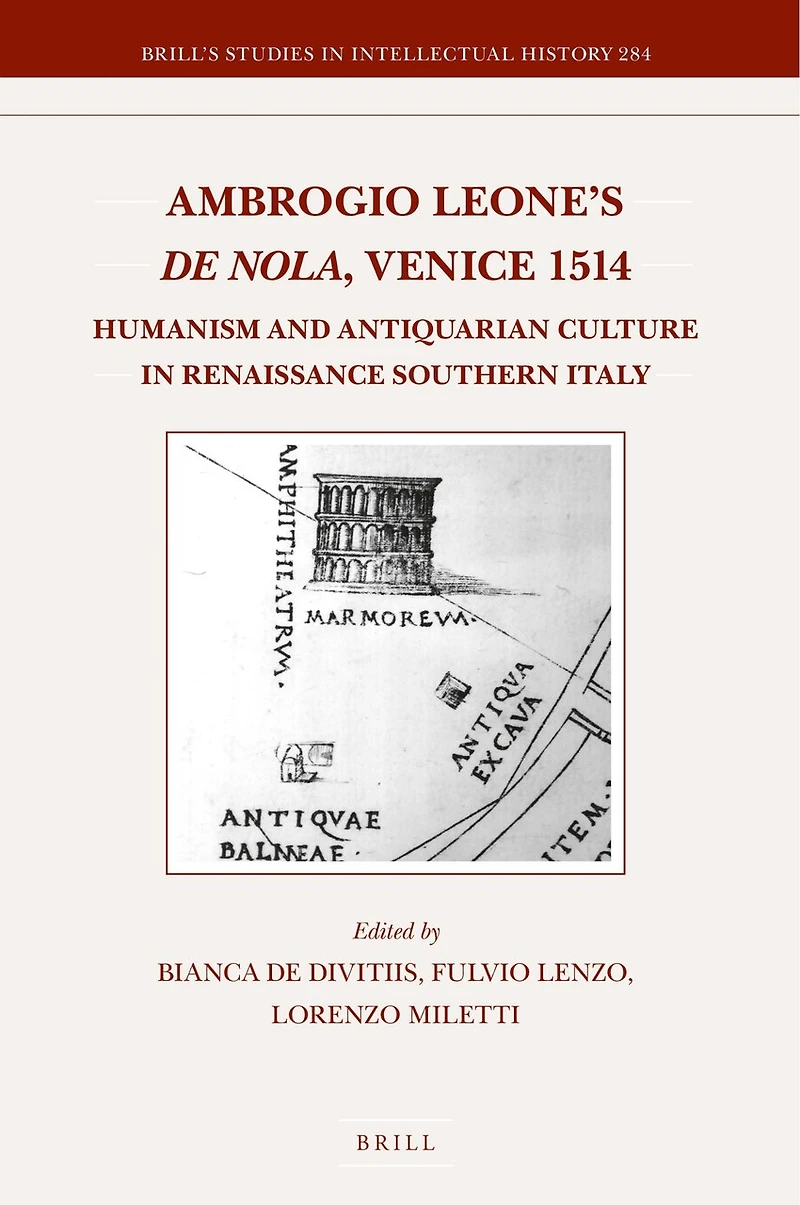
This volume offers the first comprehensive study of the De Nola (Venice 1514), a hitherto underappreciated Latin text written by the Nolan humanist and physician Ambrogio Leone. Furnished with four pioneering engravings made with the help of the Venetian artist Girolamo Mocetto, the De Nola is an impressively rich and multifaceted text, which contains an antiquarian (and celebratory) study of the city of Nola in the Kingdom of Naples. By describing antiquities, inscriptions, and buildings, as well as social and religious phenomena, the De Nola offers a precious window into a southern Italian Renaissance city, and constitutes a refined example of sixteenth-century antiquarianism. The work is analysed in a multidisciplinary approach, encompassing art and architectural history, antiquarianism, literature, social history, and anthropology.
This volume offers the first comprehensive study of the De Nola (Venice 1514), a hitherto underappreciated Latin text written by the Nolan humanist and physician Ambrogio Leone. Furnished with four pioneering engravings made with the help of the Venetian artist Girolamo Mocetto, the De Nola is an impressively rich and multifaceted text, which contains an antiquarian (and celebratory) study of the city of Nola in the Kingdom of Naples. By describing antiquities, inscriptions, and buildings, as well as social and religious phenomena, the De Nola offers a precious window into a southern Italian Renaissance city, and constitutes a refined example of sixteenth-century antiquarianism. The work is analysed in a multidisciplinary approach, encompassing art and architectural history, antiquarianism, literature, social history, and anthropology.
You May Also Like















Find at Prairie Mall in Grande Prairie, AB
Visit at Prairie Mall in Grande Prairie, AB