


Gifting Made Simple
Give the Gift of ChoiceClick below to purchase a Prairie Mall eGift Card that can be used at participating retailers at Prairie Mall.Buy Gift CardHome
Ambivalent Affinities: A Political History of Blackness and Homosexuality after World War II
Coles
Loading Inventory...
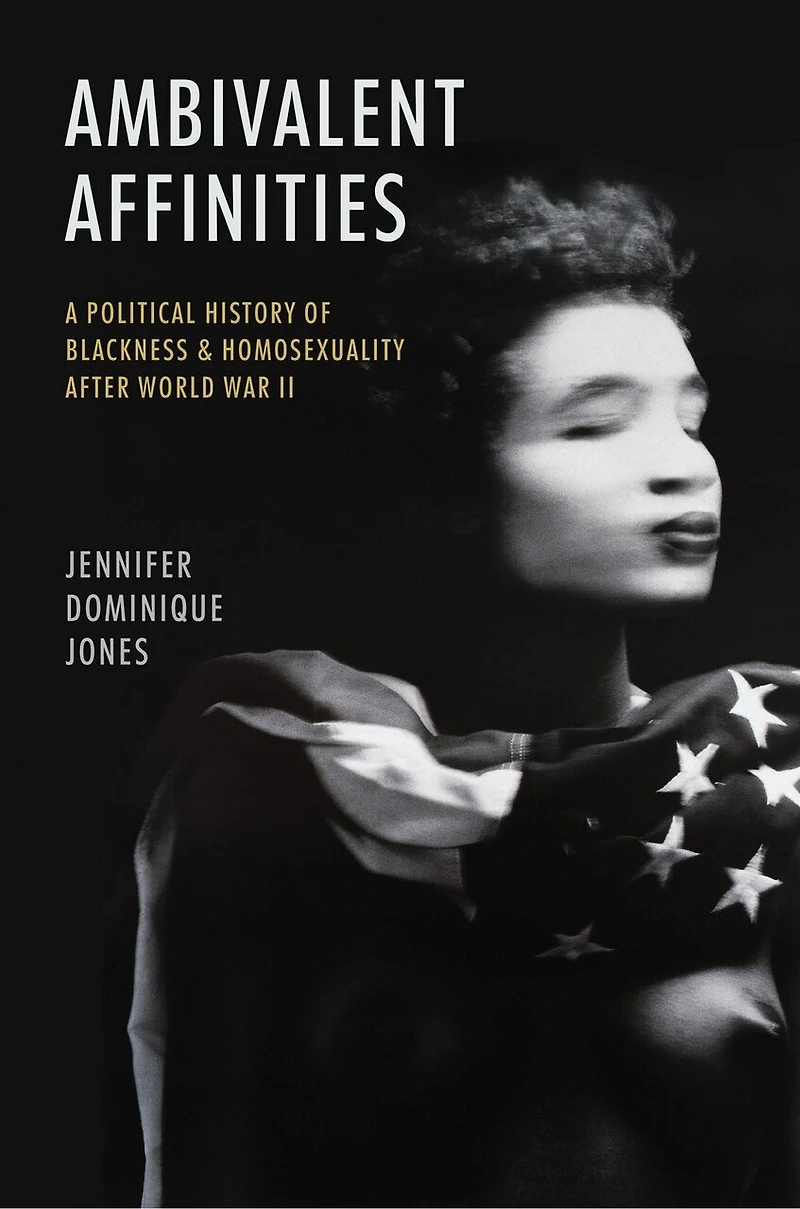
Ambivalent Affinities: A Political History of Blackness and Homosexuality after World War II in Grande Prairie, AB
Current price: $135.02
Coles
Ambivalent Affinities: A Political History of Blackness and Homosexuality after World War II in Grande Prairie, AB
Current price: $135.02
Loading Inventory...
Size: Hardcover
*Product information and pricing may vary - to confirm current pricing, availability, shipping, and return information please contact Coles. In the event of a pricing discrepancy, the retailer's price will apply.
In the early twenty-first century, comparisons between the modern civil rights movement and the movement for marriage equality reached a fever pitch. These comparisons, however, have a longer history. During the five decades after World War II, political ideas about same-sex intimacy and gender nonconformity—most often categorized as homosexuality—appeared in the campaigns of civil rights organizations, Black liberal elected officials, segregationists, and far right radicals. Deployed in complex and at times contradictory ways, political ideas about homosexuality (and later, lesbian, gay, bisexual, and transgender subjects) became tethered to conceptualizations of Blackness and racial equality.
In this interdisciplinary historical study, Jennifer Dominique Jones reveals the underexamined origins of comparisons between Black and LGBT political constituencies in the modern civil rights movement and white supremacist backlash. Foregrounding an intersectional framing of postwar political histories, Jones demonstrates how the shared non-normative status of Blackness and homosexuality facilitated comparisons between subjects and political visions associated with both. Drawing upon organizational records, manuscript collections, newspaper accounts, and visual and textual ephemera, this study traces a long, conflicting relationship between Black and LGBT political identities that continues to the present day.
In the early twenty-first century, comparisons between the modern civil rights movement and the movement for marriage equality reached a fever pitch. These comparisons, however, have a longer history. During the five decades after World War II, political ideas about same-sex intimacy and gender nonconformity—most often categorized as homosexuality—appeared in the campaigns of civil rights organizations, Black liberal elected officials, segregationists, and far right radicals. Deployed in complex and at times contradictory ways, political ideas about homosexuality (and later, lesbian, gay, bisexual, and transgender subjects) became tethered to conceptualizations of Blackness and racial equality.
In this interdisciplinary historical study, Jennifer Dominique Jones reveals the underexamined origins of comparisons between Black and LGBT political constituencies in the modern civil rights movement and white supremacist backlash. Foregrounding an intersectional framing of postwar political histories, Jones demonstrates how the shared non-normative status of Blackness and homosexuality facilitated comparisons between subjects and political visions associated with both. Drawing upon organizational records, manuscript collections, newspaper accounts, and visual and textual ephemera, this study traces a long, conflicting relationship between Black and LGBT political identities that continues to the present day.
You May Also Like













Find at Prairie Mall in Grande Prairie, AB
Visit at Prairie Mall in Grande Prairie, AB