


Gifting Made Simple
Give the Gift of ChoiceClick below to purchase a Prairie Mall eGift Card that can be used at participating retailers at Prairie Mall.Buy Gift CardHome
Alternatives to Democracy Twentieth-Century Europe: Collectivist Visions of Modernity
Coles
Loading Inventory...
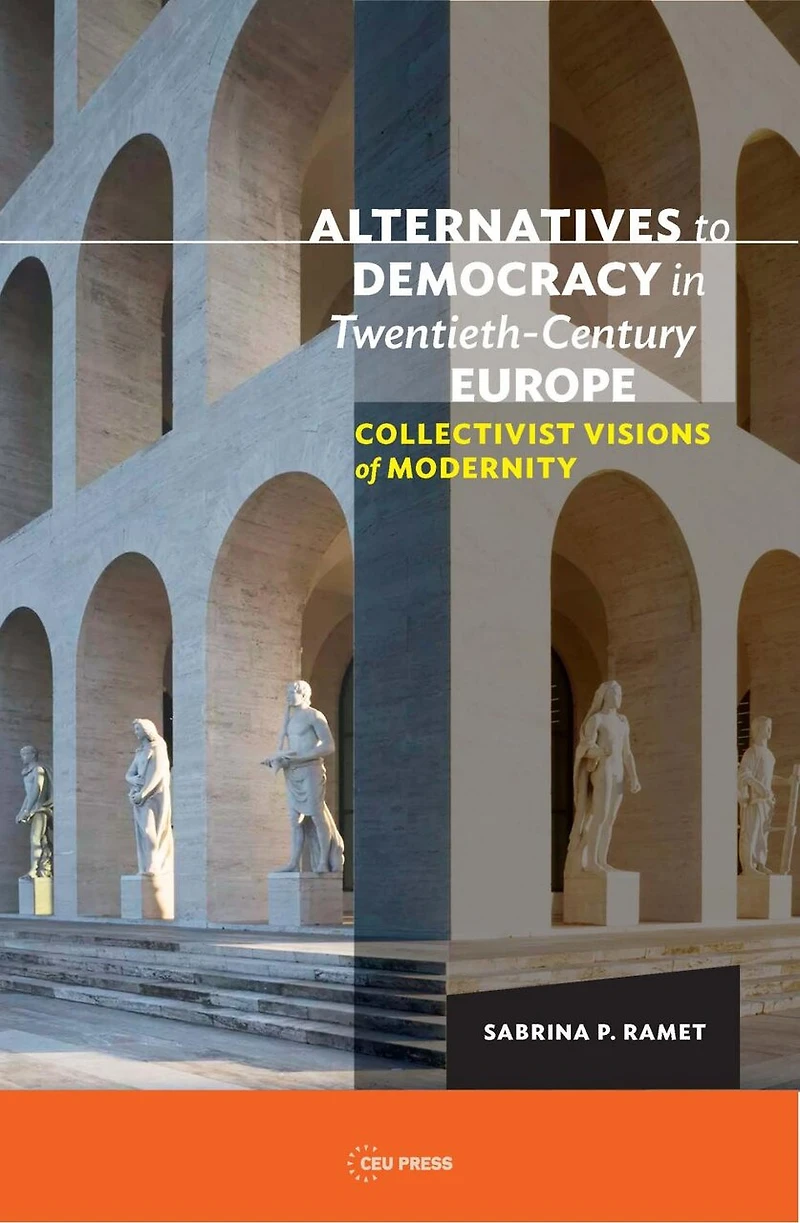
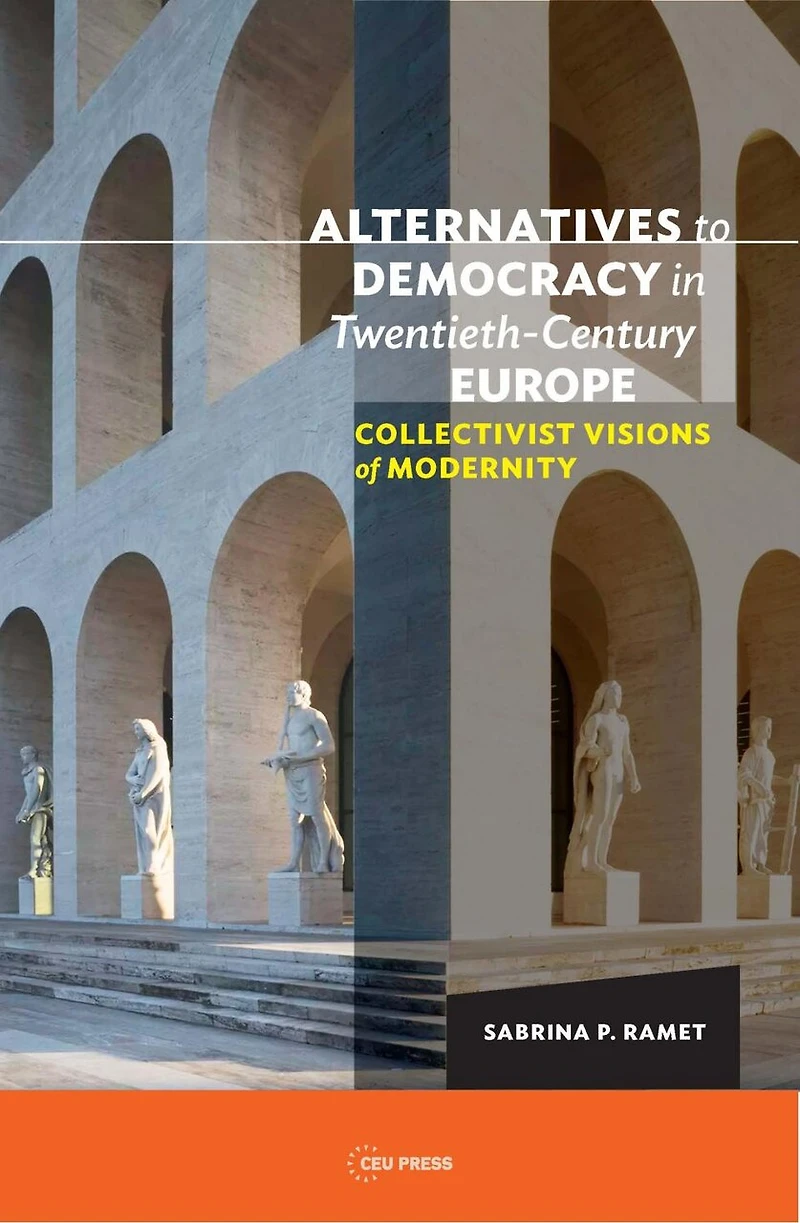
Alternatives to Democracy Twentieth-Century Europe: Collectivist Visions of Modernity in Grande Prairie, AB
Current price: $243.95
Coles
Alternatives to Democracy Twentieth-Century Europe: Collectivist Visions of Modernity in Grande Prairie, AB
Current price: $243.95
Loading Inventory...
Size: Hardcover
*Product information and pricing may vary - to confirm current pricing, availability, shipping, and return information please contact Coles. In the event of a pricing discrepancy, the retailer's price will apply.
Alternatives to Democracy in Twentieth-Century Europe examines the historical examples of Soviet Communism, Italian Fascism, German Nazism, and Spanish Anarchism, suggesting that, in spite of their differences, they had some key features in common, in particular their shared hostility to individualism, representative government, laissez faire capitalism, and the decadence they associated with modern culture. But rather than seeking to return to earlier ways of working these movements and regimes sought to design a new future – an alternative future – that would restore the nation to spiritual and political health. The Fascists, for their part, specifically promoted palingenesis, which is to say the spiritual rebirth of the nation. The book closes with a long epilogue, in which Ramet defends liberal democracy, highlighting its strengths and advantages. In this chapter, the author identifies five key choke points, which would-be authoritarians typically seek to control, subvert, or instrumentalize: electoral rules, the judiciary, the media, hate speech, and surveillance, and looks at the cases of Viktor Orbán’s Hungary, Jarosław Kaczyński’s Poland, and Donald Trump’s United States.
Alternatives to Democracy in Twentieth-Century Europe examines the historical examples of Soviet Communism, Italian Fascism, German Nazism, and Spanish Anarchism, suggesting that, in spite of their differences, they had some key features in common, in particular their shared hostility to individualism, representative government, laissez faire capitalism, and the decadence they associated with modern culture. But rather than seeking to return to earlier ways of working these movements and regimes sought to design a new future – an alternative future – that would restore the nation to spiritual and political health. The Fascists, for their part, specifically promoted palingenesis, which is to say the spiritual rebirth of the nation. The book closes with a long epilogue, in which Ramet defends liberal democracy, highlighting its strengths and advantages. In this chapter, the author identifies five key choke points, which would-be authoritarians typically seek to control, subvert, or instrumentalize: electoral rules, the judiciary, the media, hate speech, and surveillance, and looks at the cases of Viktor Orbán’s Hungary, Jarosław Kaczyński’s Poland, and Donald Trump’s United States.
You May Also Like















Find at Prairie Mall in Grande Prairie, AB
Visit at Prairie Mall in Grande Prairie, AB