


Gifting Made Simple
Give the Gift of ChoiceClick below to purchase a Prairie Mall eGift Card that can be used at participating retailers at Prairie Mall.Buy Gift CardHome
Alternative Histories of Development Japan and East Asia: Unthinking Modernization, Recreating Lifeworlds
Coles
Loading Inventory...
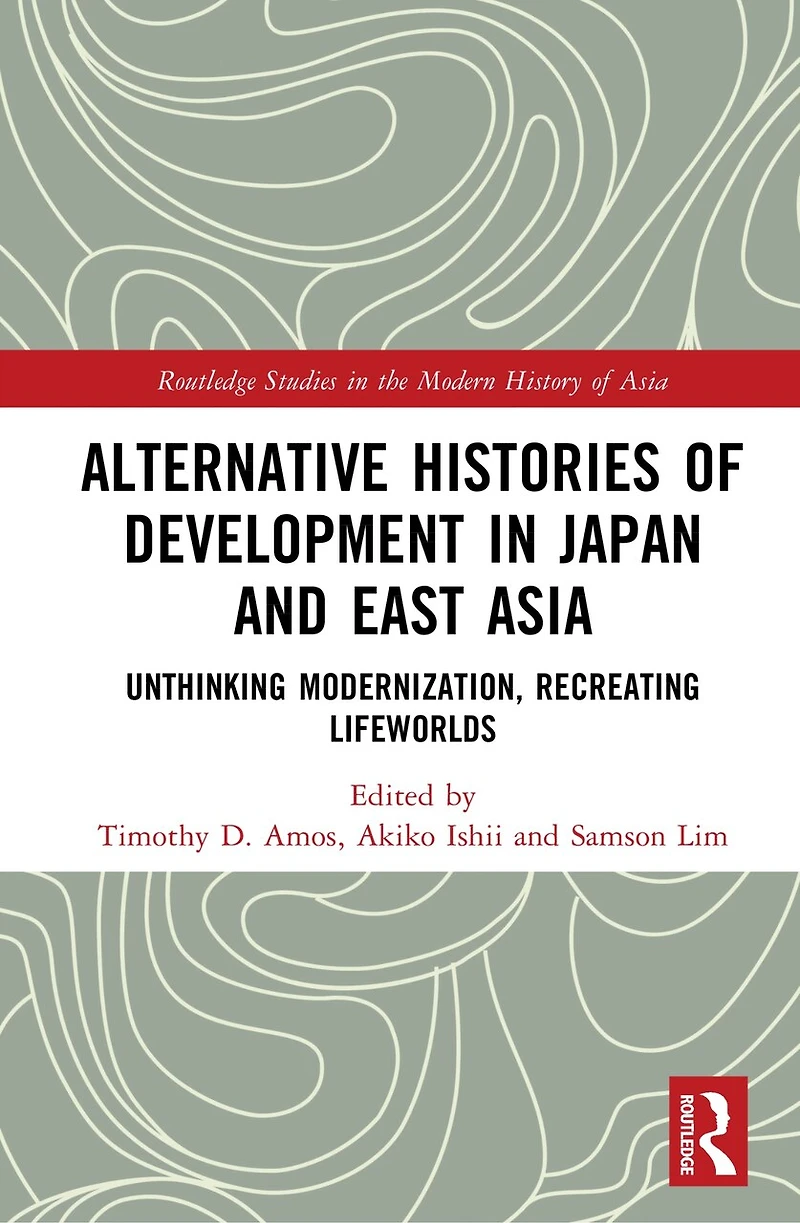
Alternative Histories of Development Japan and East Asia: Unthinking Modernization, Recreating Lifeworlds in Grande Prairie, AB
Current price: $296.50
Coles
Alternative Histories of Development Japan and East Asia: Unthinking Modernization, Recreating Lifeworlds in Grande Prairie, AB
Current price: $296.50
Loading Inventory...
Size: Hardcover
*Product information and pricing may vary - to confirm current pricing, availability, shipping, and return information please contact Coles. In the event of a pricing discrepancy, the retailer's price will apply.
This book examines the history of development in East Asia in terms of material change and human-nature relations from the perspectives of people living in Asia in modern and pre-modern periods. By challenging the reader to "unthink" what modern development is, each chapter offers a case study which discovers and reconstructs indigenous forms of knowledge and local practice related to material change. In doing so, the book illuminates the point where modern notions of development emerged and thus aids in the process of understanding how they achieved hegemonic status. This in turn expands the notion of what development can and should entail and provides valuable pathways for rethinking our relations with the social world and the environment. This book will be a valuable resource to students and scholars of Asian development, Asian history and environmental history.
This book examines the history of development in East Asia in terms of material change and human-nature relations from the perspectives of people living in Asia in modern and pre-modern periods. By challenging the reader to "unthink" what modern development is, each chapter offers a case study which discovers and reconstructs indigenous forms of knowledge and local practice related to material change. In doing so, the book illuminates the point where modern notions of development emerged and thus aids in the process of understanding how they achieved hegemonic status. This in turn expands the notion of what development can and should entail and provides valuable pathways for rethinking our relations with the social world and the environment. This book will be a valuable resource to students and scholars of Asian development, Asian history and environmental history.
You May Also Like









Find at Prairie Mall in Grande Prairie, AB
Visit at Prairie Mall in Grande Prairie, AB