


Gifting Made Simple
Give the Gift of ChoiceClick below to purchase a Prairie Mall eGift Card that can be used at participating retailers at Prairie Mall.Buy Gift CardHome
Allegorical Form and Theory Hildegard of Bingen's Books Visions
Coles
Loading Inventory...
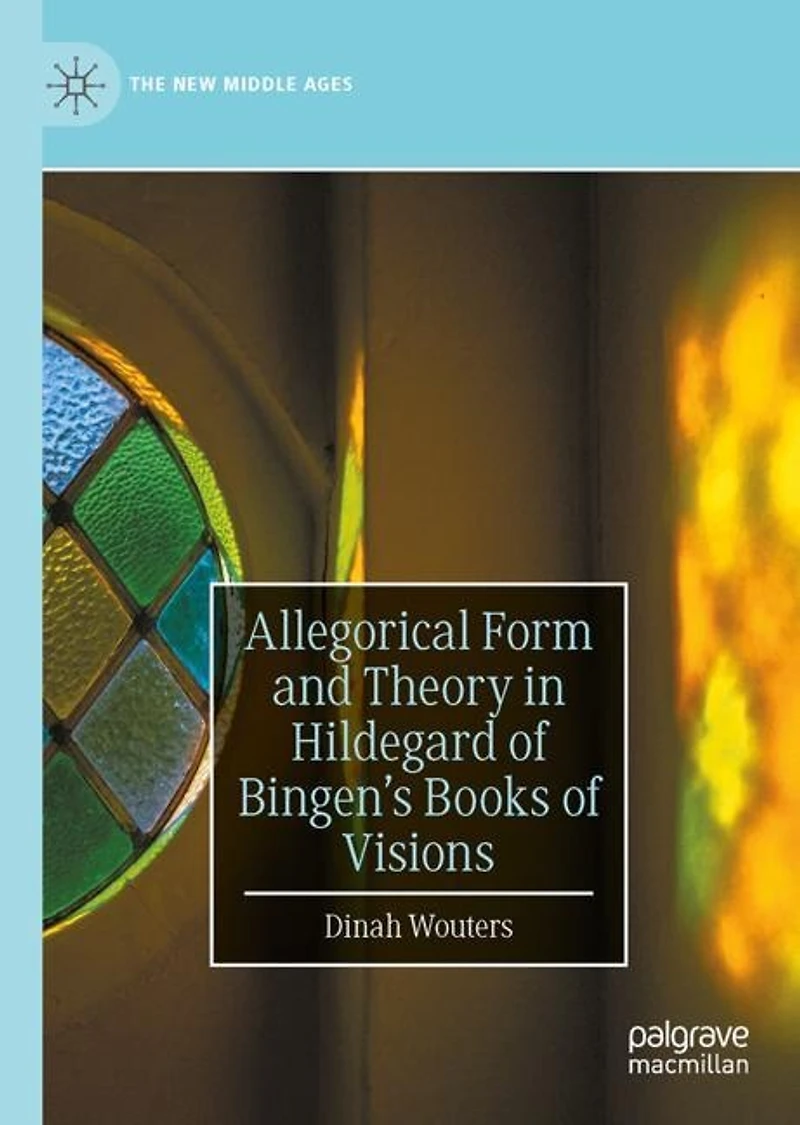
Allegorical Form and Theory Hildegard of Bingen's Books Visions in Grande Prairie, AB
Current price: $189.95
Coles
Allegorical Form and Theory Hildegard of Bingen's Books Visions in Grande Prairie, AB
Current price: $189.95
Loading Inventory...
Size: Hardcover
*Product information and pricing may vary - to confirm current pricing, availability, shipping, and return information please contact Coles. In the event of a pricing discrepancy, the retailer's price will apply.
This book analyses how the three books of visions by Hildegard of Bingen use the allegorical vision as a form of knowledge. It describes how the visionary's use of allegory and allegorical exegesis is linked to theories of cognition, interpretation, and prophecy. It argues that the form of the allegorical vision is not just the product of a medieval symbolic mentality, but specific to Hildegard's position and the major transformations taking place in the prescholastic intellectual milieu, such as the changing use of Scripture or the shift from traditional hermeneutics to cognitive language philosophy. The book shows that Hildegard uses traditional forms of knowledge - prophecy, the vision, monastic theology, allegorical hermeneutics - in startlingly innovative ways by combining them and by revising them for her own time.
This book analyses how the three books of visions by Hildegard of Bingen use the allegorical vision as a form of knowledge. It describes how the visionary's use of allegory and allegorical exegesis is linked to theories of cognition, interpretation, and prophecy. It argues that the form of the allegorical vision is not just the product of a medieval symbolic mentality, but specific to Hildegard's position and the major transformations taking place in the prescholastic intellectual milieu, such as the changing use of Scripture or the shift from traditional hermeneutics to cognitive language philosophy. The book shows that Hildegard uses traditional forms of knowledge - prophecy, the vision, monastic theology, allegorical hermeneutics - in startlingly innovative ways by combining them and by revising them for her own time.
You May Also Like









Find at Prairie Mall in Grande Prairie, AB
Visit at Prairie Mall in Grande Prairie, AB