


Gifting Made Simple
Give the Gift of ChoiceClick below to purchase a Prairie Mall eGift Card that can be used at participating retailers at Prairie Mall.Buy Gift CardHome
Alleged Nazi Collaborators the United States after World War II
Coles
Loading Inventory...
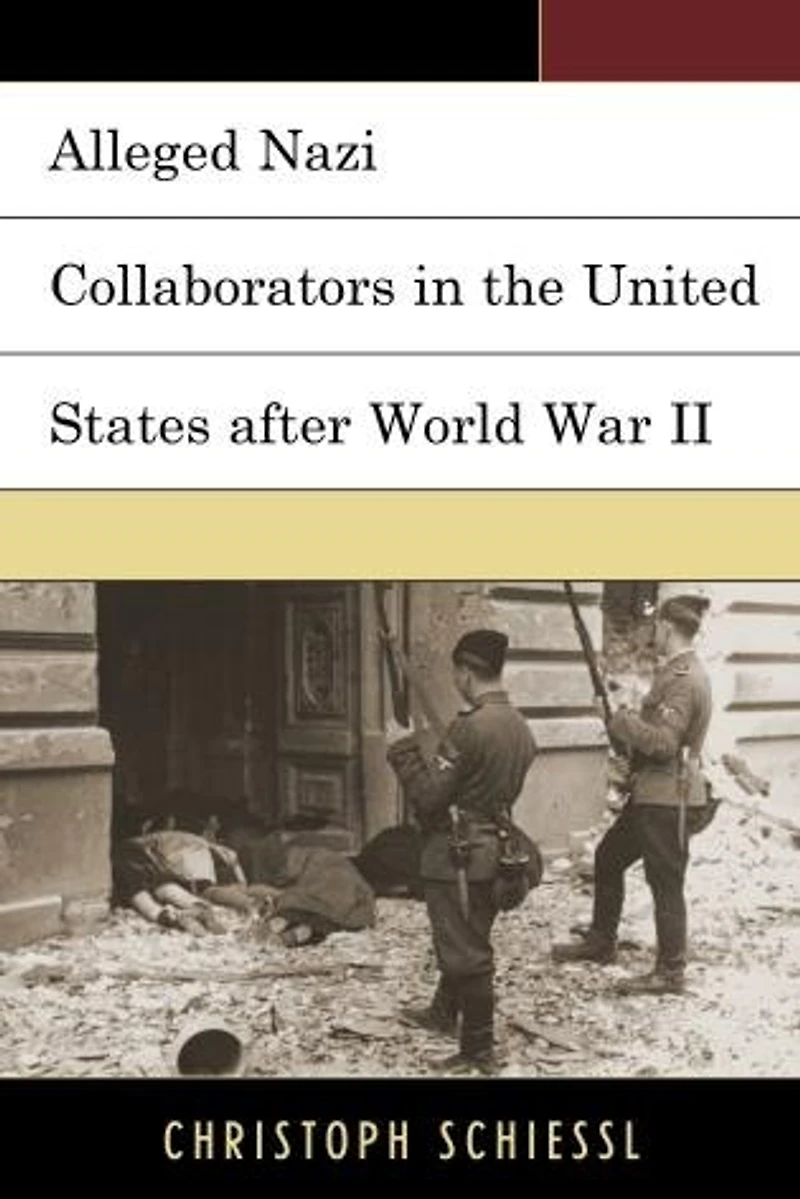
Alleged Nazi Collaborators the United States after World War II in Grande Prairie, AB
Current price: $189.95
Coles
Alleged Nazi Collaborators the United States after World War II in Grande Prairie, AB
Current price: $189.95
Loading Inventory...
Size: Hardcover
*Product information and pricing may vary - to confirm current pricing, availability, shipping, and return information please contact Coles. In the event of a pricing discrepancy, the retailer's price will apply.
This book follows the story of suspected Nazi war criminals in the United States and analyzes their supposed crimes during World War II, their entry into the United States as war refugees in the 1940s and 1950s, and their prosecution in the 1970s and beyond by the U.S. government, specifically by the Office of Special Investigation (OSI). In particular, this book explains why and how such individuals entered the United States, why it took so long to locate and apprehend them, how the OSI was founded, and how the OSI has tried to bring them to justice. This study constitutes a thorough account of 150 suspects and examines how the search for them connects to larger developments in postwar U.S. history. In this latter regard, one major theme includes the role Holocaust memory played in the aforementioned developments. This account adds significantly to the historiographical debate about when and how the Holocaust found its way into American Jewish and also general American consciousness. In general, these suspected Nazi war criminals could come to the United States largely undetected during the early Cold War. In this atmosphere, they morphed from Nazi collaborators to ardent anti-Communists and, outside of some big fish, not even within the Jewish community was their role in the Holocaust much discussed. Only with the Eichmann trial in the early 1960s did interest in other Holocaust perpetrators increase, culminating in the founding of the OSI in the late 1970s. The manuscript makes use, among other documents, of declassified sources from the CIA and FBI, little used trial accounts, and hard to locate OSI records.
This book follows the story of suspected Nazi war criminals in the United States and analyzes their supposed crimes during World War II, their entry into the United States as war refugees in the 1940s and 1950s, and their prosecution in the 1970s and beyond by the U.S. government, specifically by the Office of Special Investigation (OSI). In particular, this book explains why and how such individuals entered the United States, why it took so long to locate and apprehend them, how the OSI was founded, and how the OSI has tried to bring them to justice. This study constitutes a thorough account of 150 suspects and examines how the search for them connects to larger developments in postwar U.S. history. In this latter regard, one major theme includes the role Holocaust memory played in the aforementioned developments. This account adds significantly to the historiographical debate about when and how the Holocaust found its way into American Jewish and also general American consciousness. In general, these suspected Nazi war criminals could come to the United States largely undetected during the early Cold War. In this atmosphere, they morphed from Nazi collaborators to ardent anti-Communists and, outside of some big fish, not even within the Jewish community was their role in the Holocaust much discussed. Only with the Eichmann trial in the early 1960s did interest in other Holocaust perpetrators increase, culminating in the founding of the OSI in the late 1970s. The manuscript makes use, among other documents, of declassified sources from the CIA and FBI, little used trial accounts, and hard to locate OSI records.
You May Also Like










Find at Prairie Mall in Grande Prairie, AB
Visit at Prairie Mall in Grande Prairie, AB