


Gifting Made Simple
Give the Gift of ChoiceClick below to purchase a Prairie Mall eGift Card that can be used at participating retailers at Prairie Mall.Buy Gift CardHome
All the King’s Horses: Vitruvius in an Age of Princes
Coles
Loading Inventory...
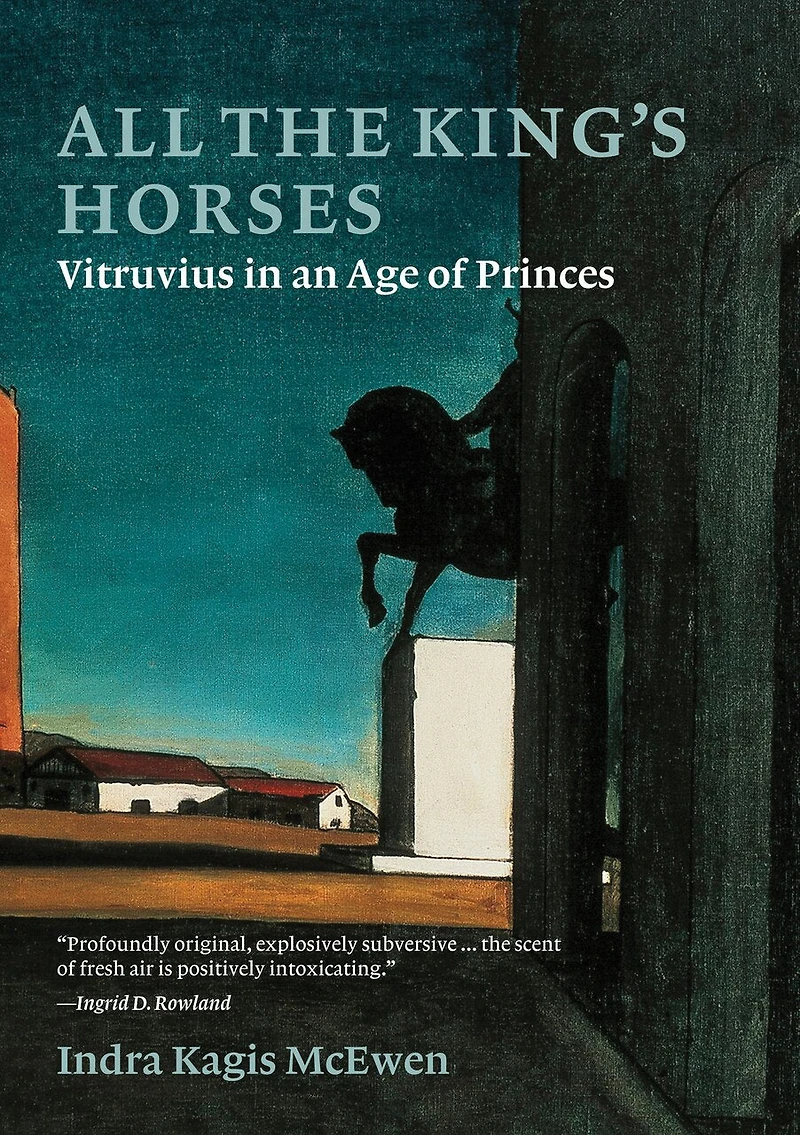
All the King’s Horses: Vitruvius in an Age of Princes in Grande Prairie, AB
Current price: $54.00
Coles
All the King’s Horses: Vitruvius in an Age of Princes in Grande Prairie, AB
Current price: $54.00
Loading Inventory...
Size: Hardcover
*Product information and pricing may vary - to confirm current pricing, availability, shipping, and return information please contact Coles. In the event of a pricing discrepancy, the retailer's price will apply.
How the Italian Renaissance reinvented the power of princes by rediscovering Vitruvius and his architecture—and justified their right to rule.
In Vitruvius: Writing the Body of Architecture , Indra Kagis McEwen argued that Vitruvius’s first-century BC treatise De architectura was informed by imperial ideology, giving architecture a role in the imperial Roman project of world rule. In her sequel, All the King’s Horses , McEwen focuses on the early Renaissance reception of Vitruvius’s thought beginning with Petrarch—a political reception preoccupied with legitimating existing power structures. During this “age of princes” various signori took over Italian towns and cities, displacing independent communes and their avowed ideal of the common good. In turn, architects, taking up Vitruvius’s mantle, designed for these princes with the intent of making their power manifest—and celebrating “the rule of one.”
Through meticulous descriptions of the work of architects and artists from Leon Battista Alberti to Leonardo, McEwen explains how architecture became an instrument of control in the early Italian Renaissance. She shows how architectural magnificence supported claims to power, a phenomenon best displayed in one of the era’s most prominent monumental themes: the equestrian statue of a prince, in which the horse became an emanation of the will of the rider, its strength the expression of his strength.
How the Italian Renaissance reinvented the power of princes by rediscovering Vitruvius and his architecture—and justified their right to rule.
In Vitruvius: Writing the Body of Architecture , Indra Kagis McEwen argued that Vitruvius’s first-century BC treatise De architectura was informed by imperial ideology, giving architecture a role in the imperial Roman project of world rule. In her sequel, All the King’s Horses , McEwen focuses on the early Renaissance reception of Vitruvius’s thought beginning with Petrarch—a political reception preoccupied with legitimating existing power structures. During this “age of princes” various signori took over Italian towns and cities, displacing independent communes and their avowed ideal of the common good. In turn, architects, taking up Vitruvius’s mantle, designed for these princes with the intent of making their power manifest—and celebrating “the rule of one.”
Through meticulous descriptions of the work of architects and artists from Leon Battista Alberti to Leonardo, McEwen explains how architecture became an instrument of control in the early Italian Renaissance. She shows how architectural magnificence supported claims to power, a phenomenon best displayed in one of the era’s most prominent monumental themes: the equestrian statue of a prince, in which the horse became an emanation of the will of the rider, its strength the expression of his strength.
You May Also Like















Find at Prairie Mall in Grande Prairie, AB
Visit at Prairie Mall in Grande Prairie, AB