


Gifting Made Simple
Give the Gift of ChoiceClick below to purchase a Prairie Mall eGift Card that can be used at participating retailers at Prairie Mall.Buy Gift CardHome
Alcoholic Korsakoff's Syndrome: An Information-Processing Approach to Amnesia
Coles
Loading Inventory...
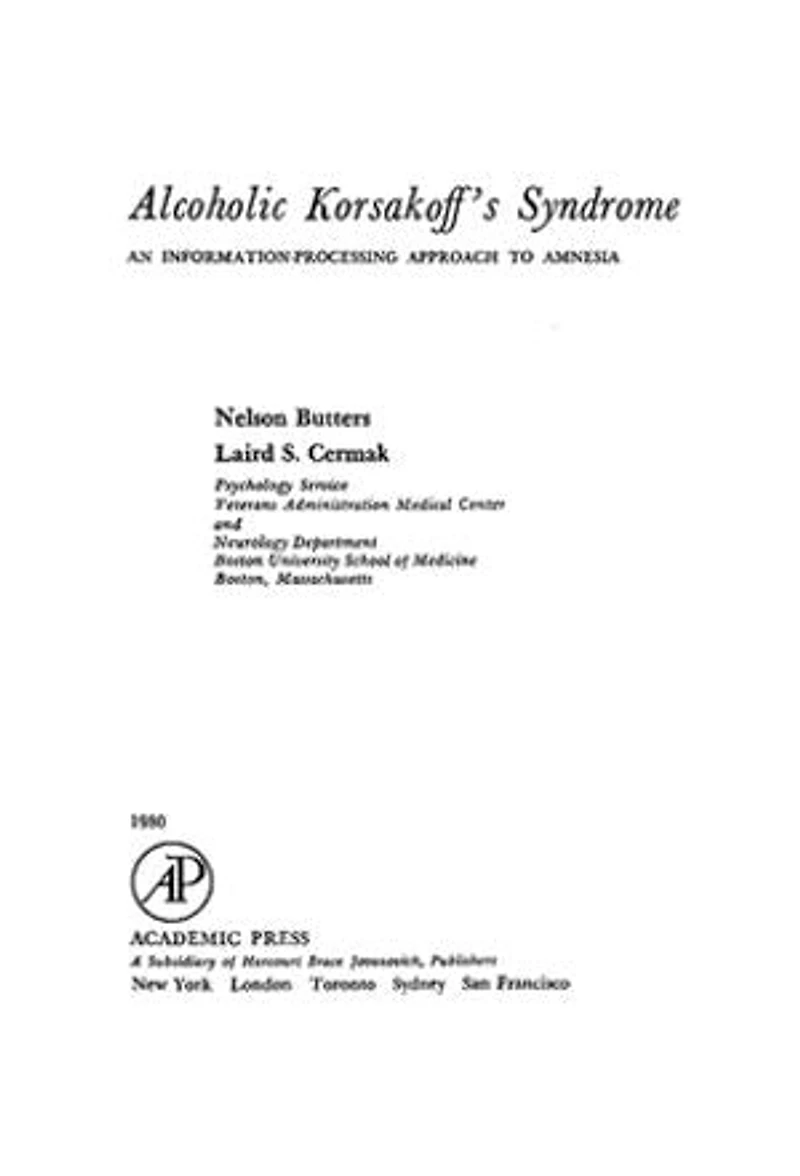
Alcoholic Korsakoff's Syndrome: An Information-Processing Approach to Amnesia in Grande Prairie, AB
Current price: $64.79
Original price: $81.00
Coles
Alcoholic Korsakoff's Syndrome: An Information-Processing Approach to Amnesia in Grande Prairie, AB
Current price: $64.79
Original price: $81.00
Loading Inventory...
Size: Kobo eBook
*Product information and pricing may vary - to confirm current pricing, availability, shipping, and return information please contact Coles. In the event of a pricing discrepancy, the retailer's price will apply.
Alcoholic Korsakoff's Syndrome: An Information-Processing Approach To Amnesia presents an overview of one of the theories of amnesia, namely, the extent to which it represents an information-processing deficit. The book discusses the clinical symptoms, neuropathology, and etiology of the alcoholic Korsakoff's syndrome; the influence of the original memory model on the research in amnesia; and the functional differences among long-term memory, short-term memory, and sensory memory. The text also describes encoding deficits; the depth of encoding and visuoperceptive deficits; as well as alternative theories of amnesia. Sensory capacities and the memory and cognitive disorders of chronic alcoholics are also considered. The book further reviews the differences among various amnesic and dementing populations. Neurologist, neuropsychologists, and students taking related courses will find the book invaluable.
Alcoholic Korsakoff's Syndrome: An Information-Processing Approach To Amnesia presents an overview of one of the theories of amnesia, namely, the extent to which it represents an information-processing deficit. The book discusses the clinical symptoms, neuropathology, and etiology of the alcoholic Korsakoff's syndrome; the influence of the original memory model on the research in amnesia; and the functional differences among long-term memory, short-term memory, and sensory memory. The text also describes encoding deficits; the depth of encoding and visuoperceptive deficits; as well as alternative theories of amnesia. Sensory capacities and the memory and cognitive disorders of chronic alcoholics are also considered. The book further reviews the differences among various amnesic and dementing populations. Neurologist, neuropsychologists, and students taking related courses will find the book invaluable.
You May Also Like
















Find at Prairie Mall in Grande Prairie, AB
Visit at Prairie Mall in Grande Prairie, AB