


Gifting Made Simple
Give the Gift of ChoiceClick below to purchase a Prairie Mall eGift Card that can be used at participating retailers at Prairie Mall.Buy Gift CardHome
Alan Lomax, the South, and American Folk Music Revival, 1933-1969
Coles
Loading Inventory...
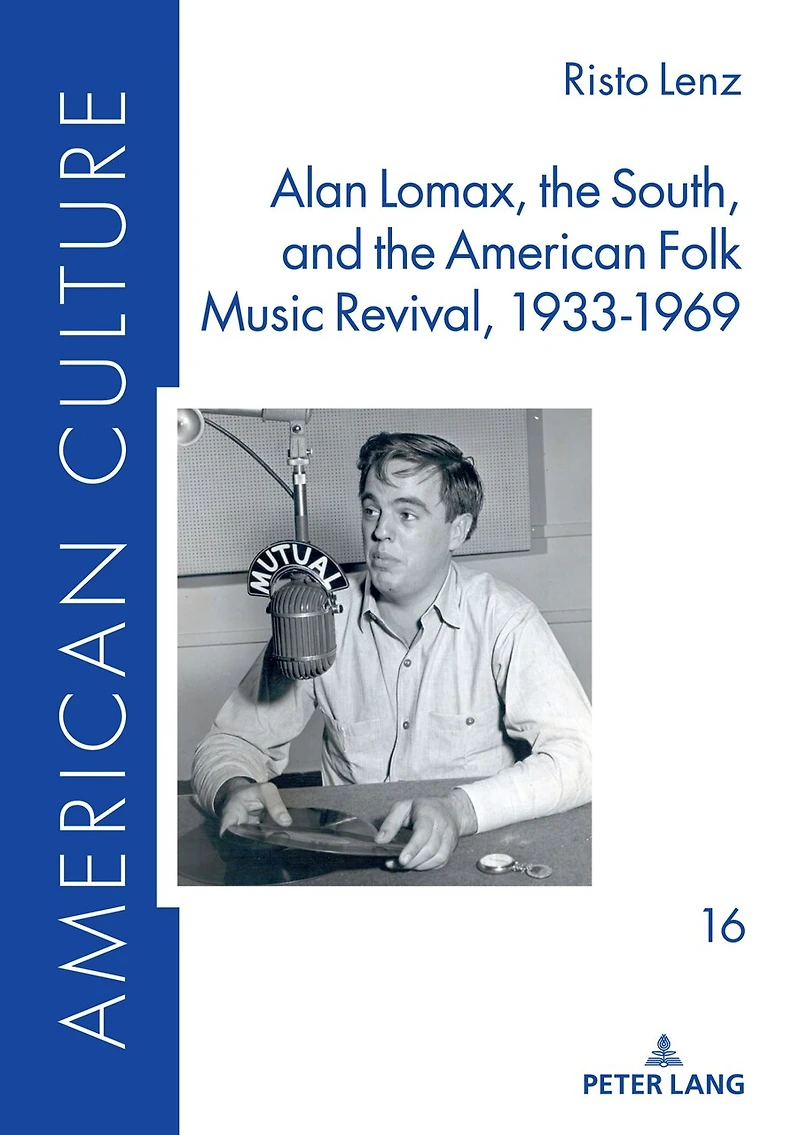
Alan Lomax, the South, and American Folk Music Revival, 1933-1969 in Grande Prairie, AB
Current price: $127.70
Coles
Alan Lomax, the South, and American Folk Music Revival, 1933-1969 in Grande Prairie, AB
Current price: $127.70
Loading Inventory...
Size: Hardcover
*Product information and pricing may vary - to confirm current pricing, availability, shipping, and return information please contact Coles. In the event of a pricing discrepancy, the retailer's price will apply.
Alan Lomax (1915-2002) is arguably the most popular and influential American folk song collector of the 20 th century. Pursuing a mission of both preserving and popularizing folk music, Lomax moved between political activism, the scholarly world, and the world of popular culture. Based largely on primary material, the book shows how Lomax’s diverse activities made him an authority in the field of folk music and how he used this power to advocate the cultures of perceived marginalized Americans – whom he located primarily in the American South. In this approach, however, folk music became an abstract idea onto which notions oscillating between hope and disillusionment, fear and perspective were projected. The author argues that Lomax’s role as a cultural mediator, with a politically motivated approach, helped him to decisively shape the perception and reception of what came to be known as American folk music, from the mid 1930s to the late 1960s.
Alan Lomax (1915-2002) is arguably the most popular and influential American folk song collector of the 20 th century. Pursuing a mission of both preserving and popularizing folk music, Lomax moved between political activism, the scholarly world, and the world of popular culture. Based largely on primary material, the book shows how Lomax’s diverse activities made him an authority in the field of folk music and how he used this power to advocate the cultures of perceived marginalized Americans – whom he located primarily in the American South. In this approach, however, folk music became an abstract idea onto which notions oscillating between hope and disillusionment, fear and perspective were projected. The author argues that Lomax’s role as a cultural mediator, with a politically motivated approach, helped him to decisively shape the perception and reception of what came to be known as American folk music, from the mid 1930s to the late 1960s.
You May Also Like










Find at Prairie Mall in Grande Prairie, AB
Visit at Prairie Mall in Grande Prairie, AB