


Gifting Made Simple
Give the Gift of ChoiceClick below to purchase a Prairie Mall eGift Card that can be used at participating retailers at Prairie Mall.Buy Gift CardHome
Ajanta: History and Development, Volume 7 Bagh, Dandin, Cells and Cell Doorways
Coles
Loading Inventory...
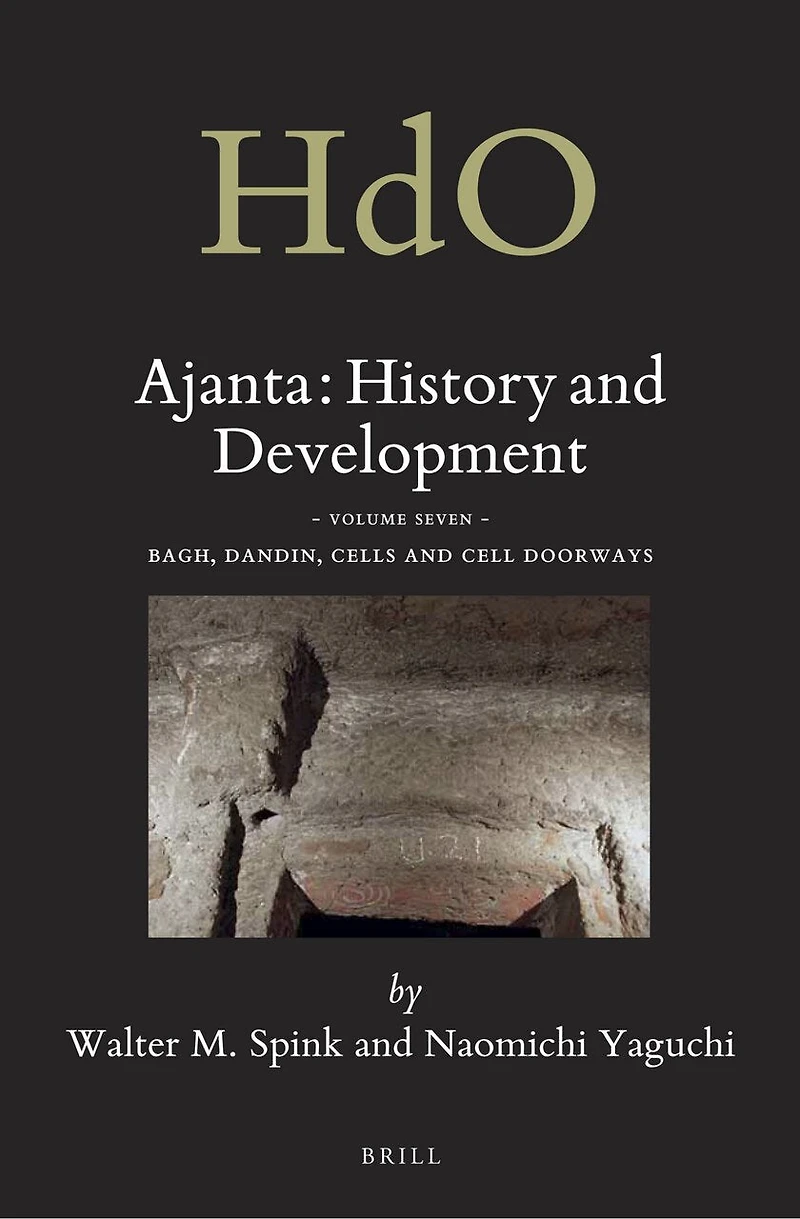
Ajanta: History and Development, Volume 7 Bagh, Dandin, Cells and Cell Doorways in Grande Prairie, AB
Current price: $249.99
Coles
Ajanta: History and Development, Volume 7 Bagh, Dandin, Cells and Cell Doorways in Grande Prairie, AB
Current price: $249.99
Loading Inventory...
Size: Hardcover
*Product information and pricing may vary - to confirm current pricing, availability, shipping, and return information please contact Coles. In the event of a pricing discrepancy, the retailer's price will apply.
Walter Spink’s intense concern with the development of the Ajanta caves and their architectural, sculptural and painted features finds its most insistent reflection in his present richly illustrated study. In part 1, Spink explains the many connections between the Bagh caves and its “sister site”, Ajanta. He particularly emphasizes the leading role that Bagh plays in establishing the “short chronology” and in the crucial matter of Buddhist shrine development from the aniconic to iconic forms of worship.
In part 2, along with his colleague Professor Naomichi Yaguchi, who also provided the photographs and the newly informative plans, the authors show how, over the course of a mere decade, better and better ways were discovered to fit the doors in the cells where the monks lived. Such an analysis reveals the vigor of the conceptual and technical changes that characterize Ajanta’s evolution from its start in the early 460s to its traumatic collapse in about 470. Moving from Ajanta’s beginning to its ending, the evolution of door fittings parallels the precise and dramatic development of Indian history in the remarkable course of the emperor Harisena’s reign.
Walter Spink’s intense concern with the development of the Ajanta caves and their architectural, sculptural and painted features finds its most insistent reflection in his present richly illustrated study. In part 1, Spink explains the many connections between the Bagh caves and its “sister site”, Ajanta. He particularly emphasizes the leading role that Bagh plays in establishing the “short chronology” and in the crucial matter of Buddhist shrine development from the aniconic to iconic forms of worship.
In part 2, along with his colleague Professor Naomichi Yaguchi, who also provided the photographs and the newly informative plans, the authors show how, over the course of a mere decade, better and better ways were discovered to fit the doors in the cells where the monks lived. Such an analysis reveals the vigor of the conceptual and technical changes that characterize Ajanta’s evolution from its start in the early 460s to its traumatic collapse in about 470. Moving from Ajanta’s beginning to its ending, the evolution of door fittings parallels the precise and dramatic development of Indian history in the remarkable course of the emperor Harisena’s reign.
You May Also Like



















Find at Prairie Mall in Grande Prairie, AB
Visit at Prairie Mall in Grande Prairie, AB