


Gifting Made Simple
Give the Gift of ChoiceClick below to purchase a Prairie Mall eGift Card that can be used at participating retailers at Prairie Mall.Buy Gift CardHome
Air Quality: Monitoring, Measuring and Modeling
Coles
Loading Inventory...
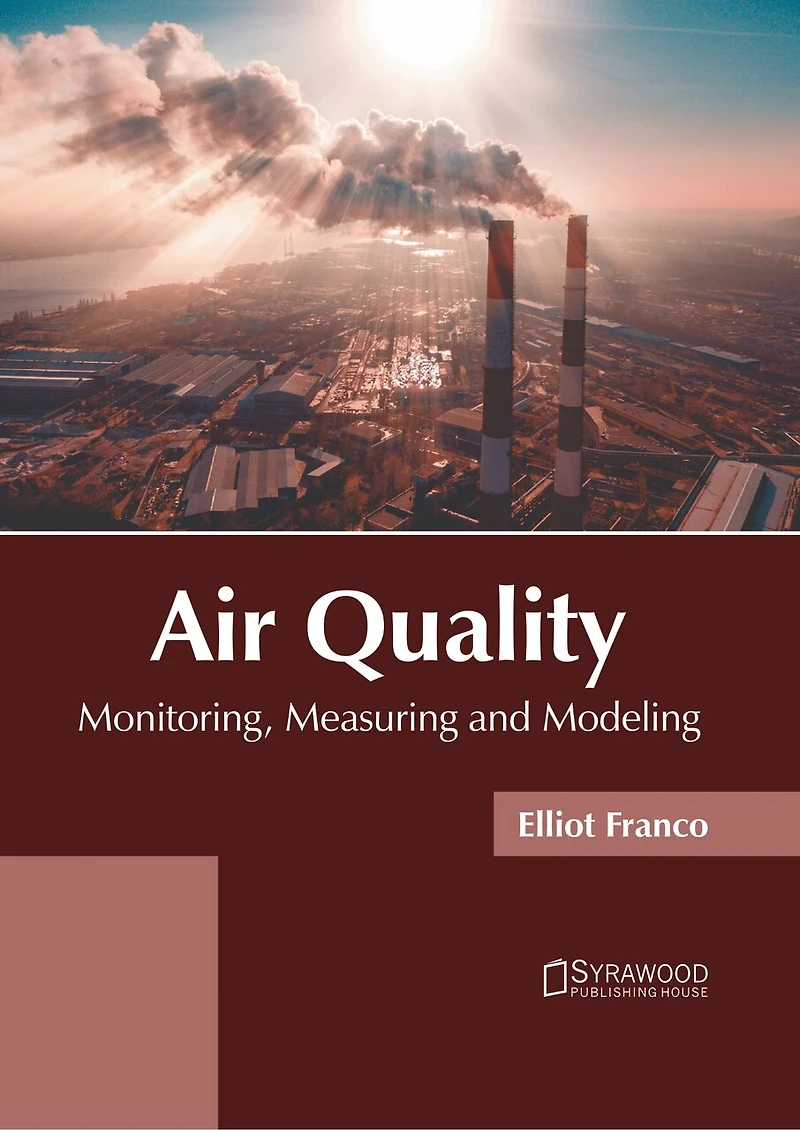
Air Quality: Monitoring, Measuring and Modeling in Grande Prairie, AB
Current price: $213.51
Coles
Air Quality: Monitoring, Measuring and Modeling in Grande Prairie, AB
Current price: $213.51
Loading Inventory...
Size: Hardcover
*Product information and pricing may vary - to confirm current pricing, availability, shipping, and return information please contact Coles. In the event of a pricing discrepancy, the retailer's price will apply.
Air quality monitoring refers to a process which involves taking samples and performing tests of air emissions. It aids in measuring the quality of air in relation to pollutants in a given time duration. Furthermore, it also helps to evaluate whether the quality of air is deteriorating or improving through the assessment of patterns and trends. It involves a systematic and long-term evaluation of pollutant levels in the surroundings, by determining the quantity and types of contaminants in the air. Air quality is measured using an index called the air quality index (AQI). An AQI of 50 or less is considered good whereas AQI above this level is unhealthy and may result in health issues. AQI helps in measuring the level of different pollutants that are present in the atmosphere, namely, particulate matter (PM10), particulate matter (PM2.5), nitrogen dioxide (NO2), sulfur dioxide (SO2), carbon monoxide (CO), ozone (O3), ammonia (NH3), and lead (Pb). The modeling of air quality is done using computer programs and mathematics for estimating pollutant concentrations in the air. Systems for assessing and forecasting air quality help the decision makers in improving public health and air quality. This book contains some path-breaking studies on air quality monitoring, measuring and modeling. It will serve as a reference to a broad spectrum of readers.
Air quality monitoring refers to a process which involves taking samples and performing tests of air emissions. It aids in measuring the quality of air in relation to pollutants in a given time duration. Furthermore, it also helps to evaluate whether the quality of air is deteriorating or improving through the assessment of patterns and trends. It involves a systematic and long-term evaluation of pollutant levels in the surroundings, by determining the quantity and types of contaminants in the air. Air quality is measured using an index called the air quality index (AQI). An AQI of 50 or less is considered good whereas AQI above this level is unhealthy and may result in health issues. AQI helps in measuring the level of different pollutants that are present in the atmosphere, namely, particulate matter (PM10), particulate matter (PM2.5), nitrogen dioxide (NO2), sulfur dioxide (SO2), carbon monoxide (CO), ozone (O3), ammonia (NH3), and lead (Pb). The modeling of air quality is done using computer programs and mathematics for estimating pollutant concentrations in the air. Systems for assessing and forecasting air quality help the decision makers in improving public health and air quality. This book contains some path-breaking studies on air quality monitoring, measuring and modeling. It will serve as a reference to a broad spectrum of readers.
You May Also Like










Find at Prairie Mall in Grande Prairie, AB
Visit at Prairie Mall in Grande Prairie, AB