


Gifting Made Simple
Give the Gift of ChoiceClick below to purchase a Prairie Mall eGift Card that can be used at participating retailers at Prairie Mall.Buy Gift CardHome
AIDS Pakistan: Bureaucracy, Public Goods and NGOs
Coles
Loading Inventory...
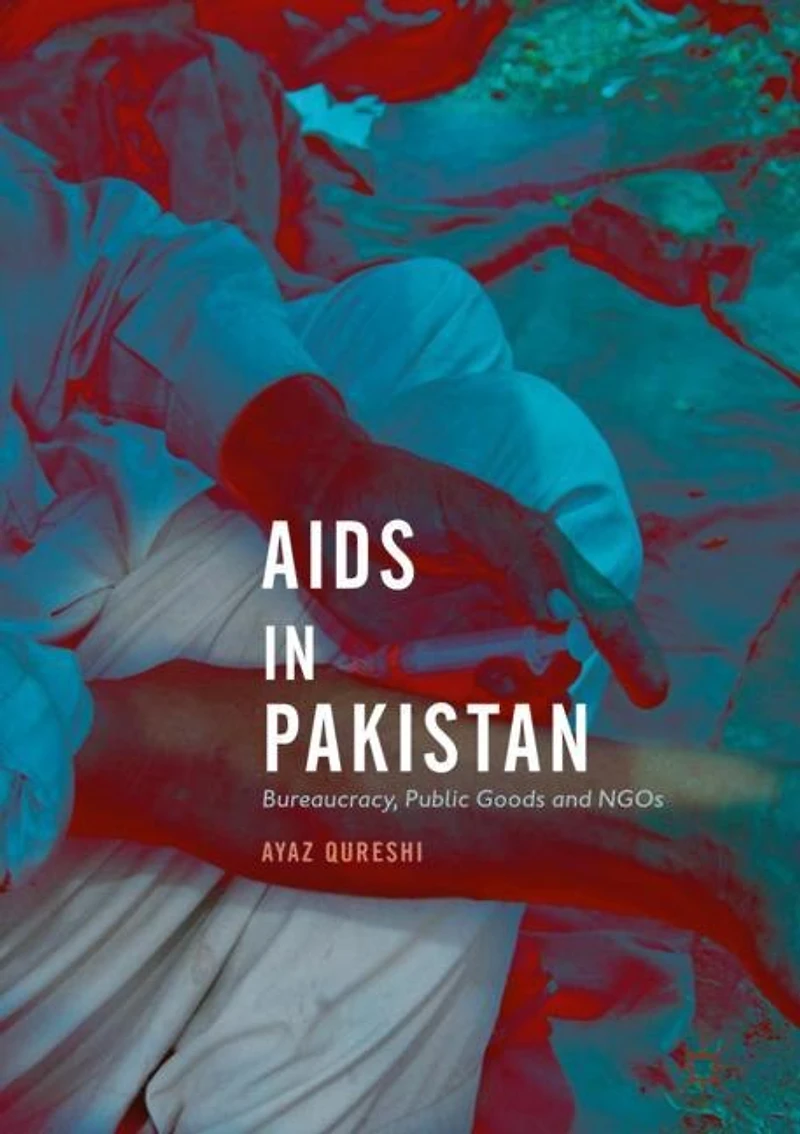
AIDS Pakistan: Bureaucracy, Public Goods and NGOs in Grande Prairie, AB
Current price: $160.95
Coles
AIDS Pakistan: Bureaucracy, Public Goods and NGOs in Grande Prairie, AB
Current price: $160.95
Loading Inventory...
Size: Hardcover
*Product information and pricing may vary - to confirm current pricing, availability, shipping, and return information please contact Coles. In the event of a pricing discrepancy, the retailer's price will apply.
This book is the first full-length study of HIV/AIDS work in relation to government and NGOs. In the early 2000s, Pakistan's response to HIV/AIDS was scaled-up and declared an area of urgent intervention. This response was funded by international donors requiring prevention, care and support services to be contracted out to NGOs - a global policy considered particularly important in Pakistan where the high risk populations are criminalized by the state.
Based on unparalleled ethnographic access to government bureaucracies and their dealings with NGOs, Qureshi examines how global policies were translated by local actors and how they responded to the evolving HIV/AIDS crisis.
The book encourages readers to reconsider the orthodoxy of policies regarding public-private partnership by critiquing the resulting changes in the bureaucracy, civil society and public goods. It is a must-read for students, scholars and practitioners concernedwith neoliberal agendas in global health and development.
This book is the first full-length study of HIV/AIDS work in relation to government and NGOs. In the early 2000s, Pakistan's response to HIV/AIDS was scaled-up and declared an area of urgent intervention. This response was funded by international donors requiring prevention, care and support services to be contracted out to NGOs - a global policy considered particularly important in Pakistan where the high risk populations are criminalized by the state.
Based on unparalleled ethnographic access to government bureaucracies and their dealings with NGOs, Qureshi examines how global policies were translated by local actors and how they responded to the evolving HIV/AIDS crisis.
The book encourages readers to reconsider the orthodoxy of policies regarding public-private partnership by critiquing the resulting changes in the bureaucracy, civil society and public goods. It is a must-read for students, scholars and practitioners concernedwith neoliberal agendas in global health and development.
You May Also Like








Find at Prairie Mall in Grande Prairie, AB
Visit at Prairie Mall in Grande Prairie, AB