


Gifting Made Simple
Give the Gift of ChoiceClick below to purchase a Prairie Mall eGift Card that can be used at participating retailers at Prairie Mall.Buy Gift CardHome
Aid, Ngos And The Realities Of Women's Lives: A Perfect Storm
Coles
Loading Inventory...
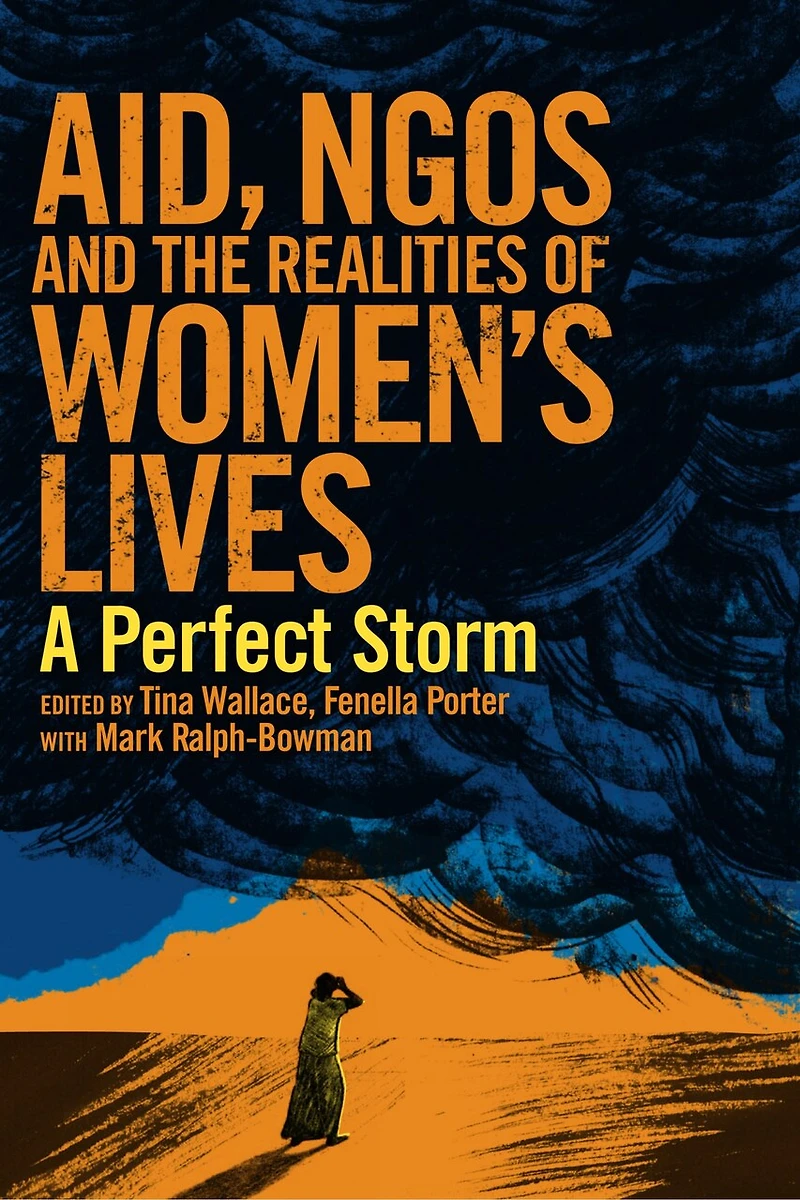
Aid, Ngos And The Realities Of Women's Lives: A Perfect Storm in Grande Prairie, AB
Current price: $103.99
Coles
Aid, Ngos And The Realities Of Women's Lives: A Perfect Storm in Grande Prairie, AB
Current price: $103.99
Loading Inventory...
Size: Hardcover
*Product information and pricing may vary - to confirm current pricing, availability, shipping, and return information please contact Coles. In the event of a pricing discrepancy, the retailer's price will apply.
Aid organizations have their origins in a desire to help the world’s poorest and most marginalized people – but are they reaching these people? Factors are coming together that put pressure on NGOs working in development: the economic crisis, the growing conditionality of aid, and increased competition for funding between NGOs. This creates ‘a perfect storm’ driven by a new language of aid, policies and procedures leaving poor women behind. This book explores how international NGOs are navigating these rapid changes that challenge their role and legitimacy, values, and overall purpose. The writers see a crisis for NGOs as they are pulled further from those they claim to work with; they also explore alternative ways of conceptualizing development, and of bringing about improvements for the most marginalized and increasingly ‘unheard’ women.
This book is essential reading for development practitioners and those working on women’s rights, as well as NGO staff , researchers, and students of development studies.
Aid organizations have their origins in a desire to help the world’s poorest and most marginalized people – but are they reaching these people? Factors are coming together that put pressure on NGOs working in development: the economic crisis, the growing conditionality of aid, and increased competition for funding between NGOs. This creates ‘a perfect storm’ driven by a new language of aid, policies and procedures leaving poor women behind. This book explores how international NGOs are navigating these rapid changes that challenge their role and legitimacy, values, and overall purpose. The writers see a crisis for NGOs as they are pulled further from those they claim to work with; they also explore alternative ways of conceptualizing development, and of bringing about improvements for the most marginalized and increasingly ‘unheard’ women.
This book is essential reading for development practitioners and those working on women’s rights, as well as NGO staff , researchers, and students of development studies.
You May Also Like

















Find at Prairie Mall in Grande Prairie, AB
Visit at Prairie Mall in Grande Prairie, AB