


Gifting Made Simple
Give the Gift of ChoiceClick below to purchase a Prairie Mall eGift Card that can be used at participating retailers at Prairie Mall.Buy Gift CardHome
Aid for Elites: Building Partner Nations and Ending Poverty through Human Capital
Coles
Loading Inventory...
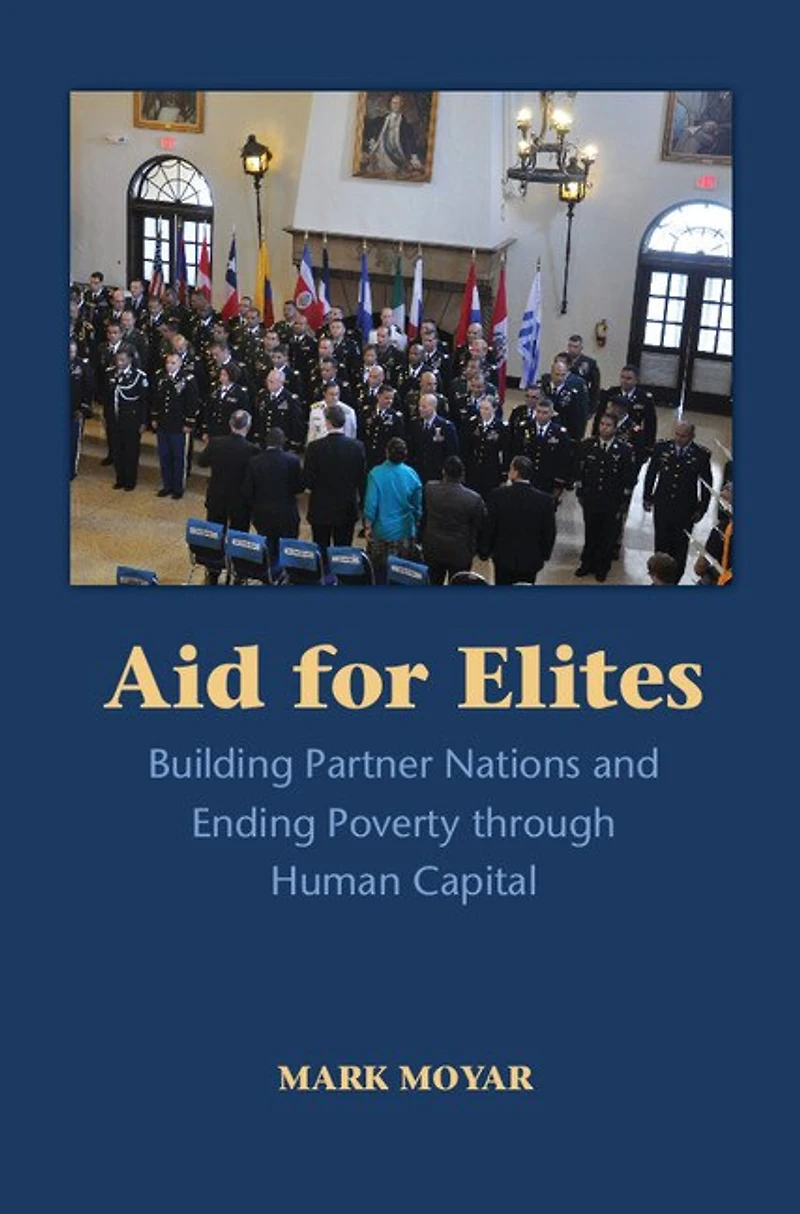
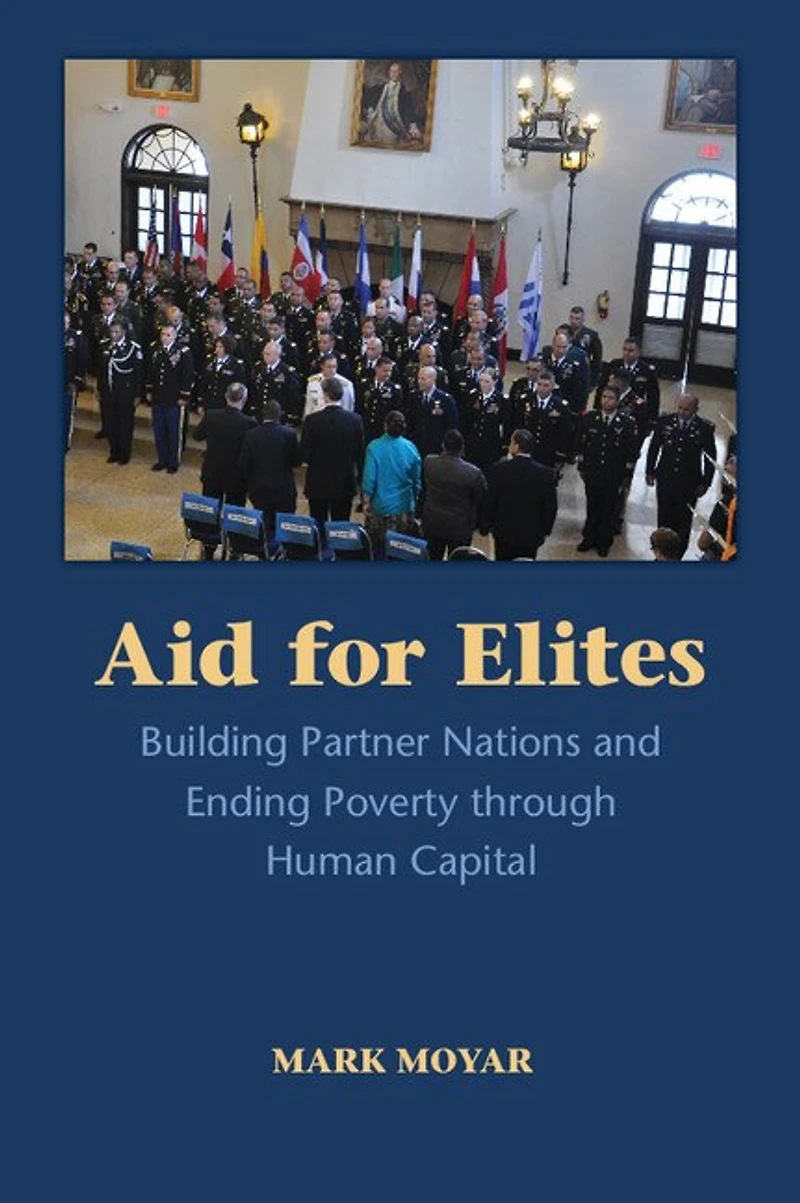
Aid for Elites: Building Partner Nations and Ending Poverty through Human Capital in Grande Prairie, AB
Current price: $160.95
Coles
Aid for Elites: Building Partner Nations and Ending Poverty through Human Capital in Grande Prairie, AB
Current price: $160.95
Loading Inventory...
Size: Hardcover
*Product information and pricing may vary - to confirm current pricing, availability, shipping, and return information please contact Coles. In the event of a pricing discrepancy, the retailer's price will apply.
Current foreign aid programs are failing because they are based upon flawed assumptions about how countries develop. They attempt to achieve development without first achieving good governance and security, which are essential prerequisites for sustainable development. In focusing on the poorer members of society, they neglect the elites upon whose leadership the quality of governance and security depends. By downplaying the relevance of cultural factors to development, they avoid altering cultural characteristics that account for most of the weaknesses of elites in poor nations. Drawing on a wealth of examples from around the world, the author shows that foreign aid can be made much more effective by focusing it on human capital development. Training, education, and other forms of assistance can confer both skills and cultural attributes on current and future leaders, especially those responsible for security and governance.
Current foreign aid programs are failing because they are based upon flawed assumptions about how countries develop. They attempt to achieve development without first achieving good governance and security, which are essential prerequisites for sustainable development. In focusing on the poorer members of society, they neglect the elites upon whose leadership the quality of governance and security depends. By downplaying the relevance of cultural factors to development, they avoid altering cultural characteristics that account for most of the weaknesses of elites in poor nations. Drawing on a wealth of examples from around the world, the author shows that foreign aid can be made much more effective by focusing it on human capital development. Training, education, and other forms of assistance can confer both skills and cultural attributes on current and future leaders, especially those responsible for security and governance.
You May Also Like










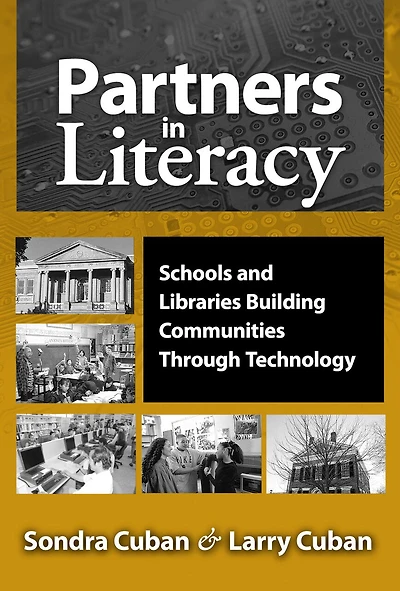








Find at Prairie Mall in Grande Prairie, AB
Visit at Prairie Mall in Grande Prairie, AB