


Gifting Made Simple
Give the Gift of ChoiceClick below to purchase a Prairie Mall eGift Card that can be used at participating retailers at Prairie Mall.Buy Gift CardHome
AI Public Policy and Business: Strategies, Ethics, Impact
Coles
Loading Inventory...
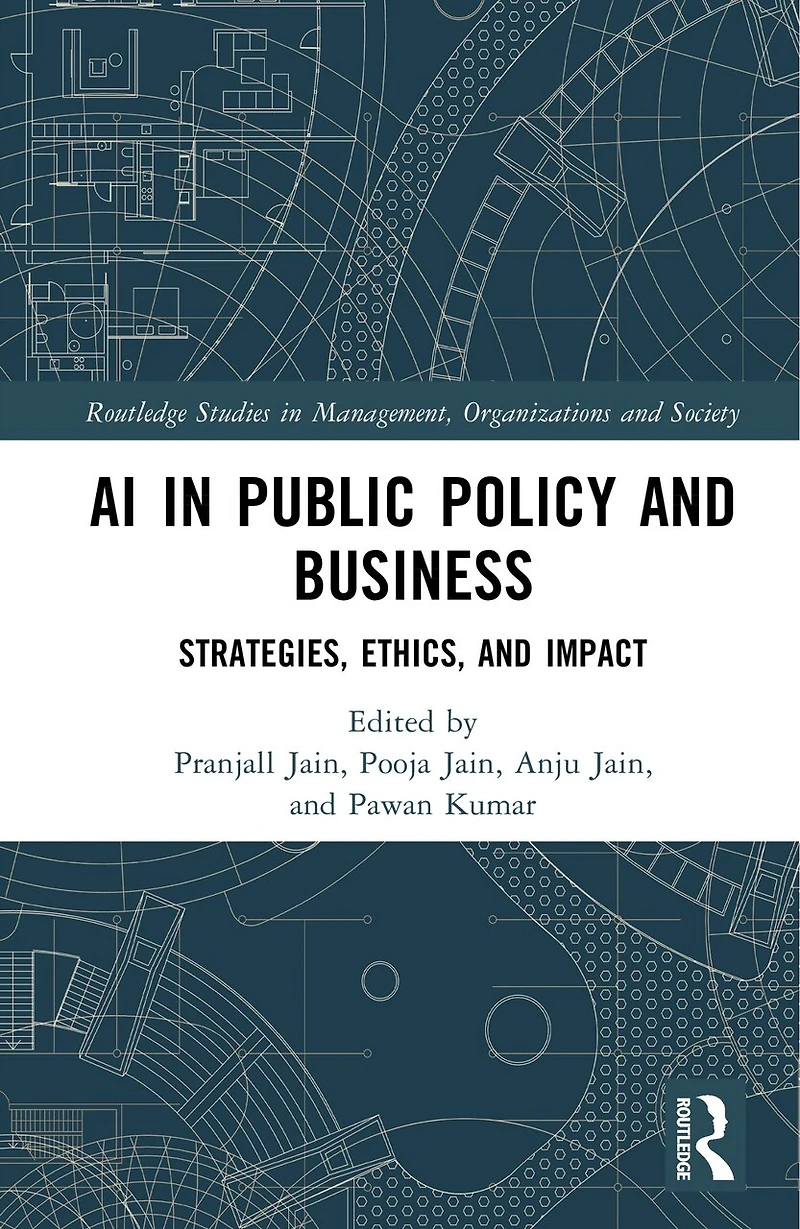
AI Public Policy and Business: Strategies, Ethics, Impact in Grande Prairie, AB
Current price: $296.50
Coles
AI Public Policy and Business: Strategies, Ethics, Impact in Grande Prairie, AB
Current price: $296.50
Loading Inventory...
Size: Hardcover
*Product information and pricing may vary - to confirm current pricing, availability, shipping, and return information please contact Coles. In the event of a pricing discrepancy, the retailer's price will apply.
AI in Public Policy and Business brings together ideas on how artificial intelligence is shaping business, industry, and public policy. Readers should benefit by understanding that investment in AI stack capital is not just a tech expenditure; rather, it is conducive to developing an asset category that uplifts the marginal utility on per unit investment (AI as an Asset). It shows how data risks, governance gaps, and public trust issues mix with innovation. The chapters move from discussing technical foundations to larger questions on privacy, regulatory design, and strategic foresight. The writing tries to connect theory with real-world evidence, including cases from smart cities and autonomous transport networks. The book is expected to benefit students, academicians, researchers, civil service Officers, and AI professionals who want cross-disciplinary perspectives on how AI is changing diverse paradigms. Instead of only focusing on algorithms, the book explains how ethics or weak regulation can change outcomes, sometimes more than the technology itself. The aim is to give readers tools to think critically; compare models cautiously; and design systems that are safer, more transparent, and future-ready.
AI in Public Policy and Business brings together ideas on how artificial intelligence is shaping business, industry, and public policy. Readers should benefit by understanding that investment in AI stack capital is not just a tech expenditure; rather, it is conducive to developing an asset category that uplifts the marginal utility on per unit investment (AI as an Asset). It shows how data risks, governance gaps, and public trust issues mix with innovation. The chapters move from discussing technical foundations to larger questions on privacy, regulatory design, and strategic foresight. The writing tries to connect theory with real-world evidence, including cases from smart cities and autonomous transport networks. The book is expected to benefit students, academicians, researchers, civil service Officers, and AI professionals who want cross-disciplinary perspectives on how AI is changing diverse paradigms. Instead of only focusing on algorithms, the book explains how ethics or weak regulation can change outcomes, sometimes more than the technology itself. The aim is to give readers tools to think critically; compare models cautiously; and design systems that are safer, more transparent, and future-ready.
You May Also Like













Find at Prairie Mall in Grande Prairie, AB
Visit at Prairie Mall in Grande Prairie, AB